Discover the Galapagos: A Wildlife Photographer's Journey | Travel News
Travel photographers Terrance and Esther Anne Klassen recently completed a two-week expedition to Ecuador and the Galapagos Islands, documenting the rich wildlife that inhabits these remote areas. Their journey, focused on photography, highlights the Galapagos’ unique ecology and the abundance of exotic species that are remarkably unfazed by human presence.
The Galapagos Islands, located approximately 600 miles off the coast of Ecuador, consist of 25 to 30 islands. The Klassens emphasized that wildlife accessibility significantly enhances the experience for photographers. Terrance noted that during their visit, the animals showed little concern for tourists, allowing for intimate encounters with various species.
Wildlife Encounters
Throughout their trip, the Klassens encountered numerous birds and animals that appeared entirely indifferent to human observers. For instance, they described seeing marine iguanas emerge from the water, casually moving around without fear. The national park regulations require visitors to be accompanied by a guide, fostering an environment that values ecological and environmental preservation.
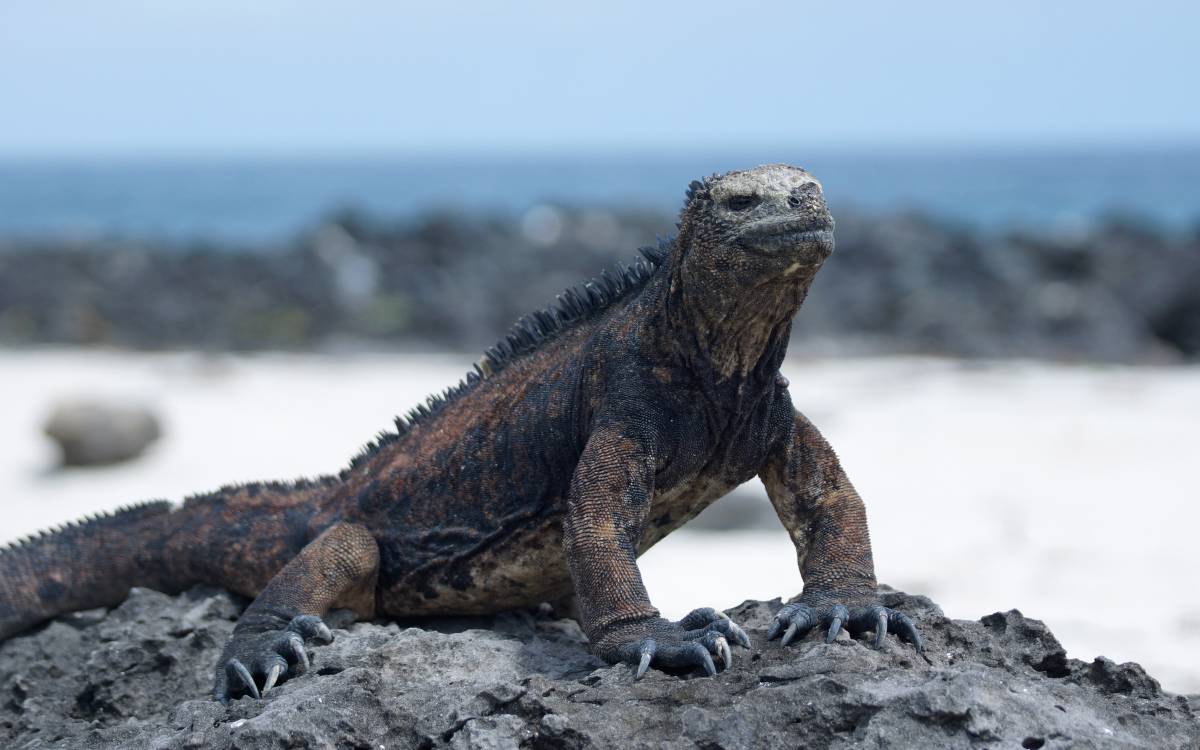
Terrance mentioned the research station on Santa Cruz Island, which focuses primarily on the conservation of the giant tortoise, a hallmark species of the archipelago. He explained that their photographic pursuits were not merely aimed at documenting evolution but confirming the beauty of creation.
Other highlights included interactions with hummingbirds on the mainland, where visitors can feed these tiny birds directly from their hands. The vivid colors of these birds add to the striking visuals of the region.
Accommodations and Activities
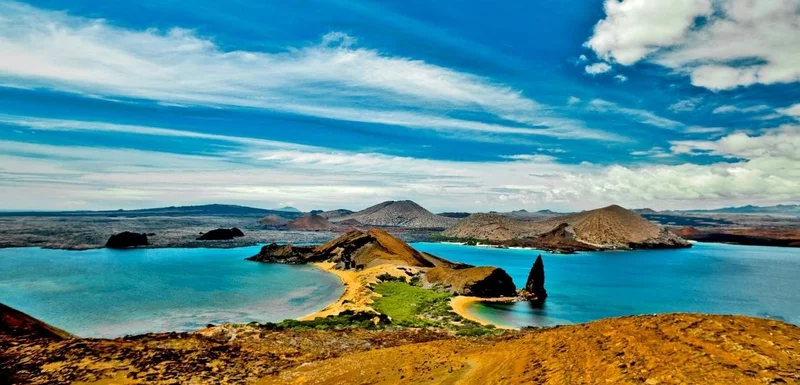
Travel within the Galapagos is typically structured around carefully designed itineraries that balance comfort, sustainability, and exploration. Visitors may stay in boutique hotels on inhabited islands or aboard small yachts that navigate between islands, usually hosting no more than 12 to 16 guests. These voyages often combine daily land excursions with snorkeling, coastal exploration, and visits to volcanic landscapes that define the islands’ dramatic terrain.
Whether land-based or sea-based, shorter itineraries, often around five days, allow travelers to immerse themselves in the essence of the Galapagos: close wildlife encounters with species such as giant tortoises and blue-footed boobies, time spent in pristine waters, exploration of volcanic environments, and meaningful interaction with local culture, all while adhering to strict conservation standards.
 Adventurous excursions in Galapagos Islands
Embark on a 5-day adventure in the Galapagos Islands, exploring stunning landscapes, snorkeling with vibrant wildlife, and enjoying eco-luxury accommodations.
Request
Those considering a visit to the Galapagos can expect comfortable hotels on a few inhabited islands. The Klassens explained that larger tour boats, accommodating 12 to 16 guests, facilitate travel between islands. Depending on the itinerary, trips to distant islands like Espanola may involve four to six-hour boat rides.
Visitors can choose between land-based trips with return accommodations at hotels or sea-based tours where guests stay and travel on the boat. Both options allow for exploration of the Galapagos’ marine life through activities such as snorkeling and scuba diving.
While sandy beaches are not the primary attraction in this wildlife-rich area, visitors should prepare for rugged terrain comprising volcanic lava rocks and limited pathways.
Future Plans
With their Galapagos project completed, the Klassens are eyeing new photographic ventures. They are considering the California and Arizona deserts for their potential to create stunning visuals during the rare desert bloom, which occurs every eight to ten years following sufficient rainfall. They are also exploring possibilities in Saudi Arabia, where the country is opening up to tourists.
Having captured thousands of images during their trip, the Klassens are currently in the process of editing and preparing their photographs for future exhibitions and publications. Their experiences also resulted in the creation of a wildlife calendar for 2026, showcasing the beauty of the Galapagos Islands.
-
The Galapagos consist of 25 to 30 islands located 600 miles from Ecuador.
-
Wildlife encounters include marine iguanas and various hummingbird species.
-
Visitors can choose between land-based and sea-based tours.
-
Accommodations range from hotels on inhabited islands to yachts for sea-based tours.
-
The region is known for its rugged volcanic terrain instead of sandy beaches.