Explore Galapagos: Unforgettable Diving Adventures | Travel News
A recent journey by divers aboard the Galapagos Aggressor III demonstrates the archipelago's renowned underwater experience. The trip, which took place in March, involved extensive diving at various locations, showcasing the rich marine biodiversity of the region.
The Galapagos Islands can be reached from Ecuador via flights from José Joaquín de Olmedo International Airport in Guayaquil or Mariscal Sucre International Airport in Quito. The trip from Australia requires a lengthy transit, typically involving stops in Auckland, Santiago, and Guayaquil before reaching Baltra Island. Notably, divers often recommend overnight stays in cities like Santiago and Guayaquil to mitigate transit stress.
 Galapagos diving cruise exploring the Gálapagos marine reserve
Embark on a thrilling dive cruise in the Galapagos, experiencing morning, afternoon, and night immersions from your luxurious liveaboard yacht.
Request
Onboard Experience
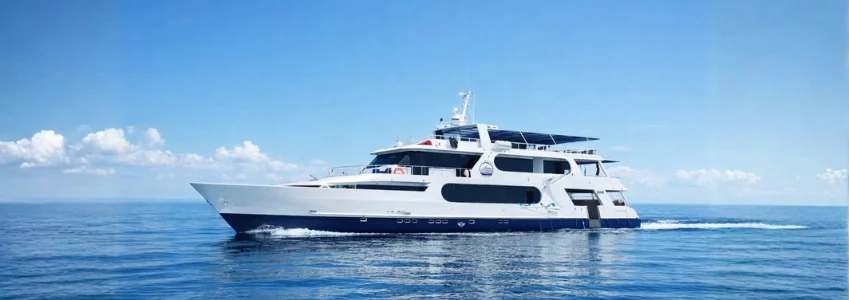
Accommodation for the week was provided on the Galapagos Aggressor III, a vessel designed specifically for diving. Initial safety briefings included tutorials on equipment usage, particularly Nautilus homing beacons, indicative of the strong currents often present in the area. The crew’s experience and the boat's amenities, including a jacuzzi, contributed to a comfortable environment. Only nine liveaboards operate in these waters, allowing divers exclusive access to dive sites.
Diving Highlights
The diving itinerary included numerous sites known for their marine life. The first day featured dives at Punta Carrion, where hammerhead sharks, eagle rays, and various reef fish were observed. Subsequent interactions with wildlife included snorkeling with Galapagos penguins near Bartolome Island.
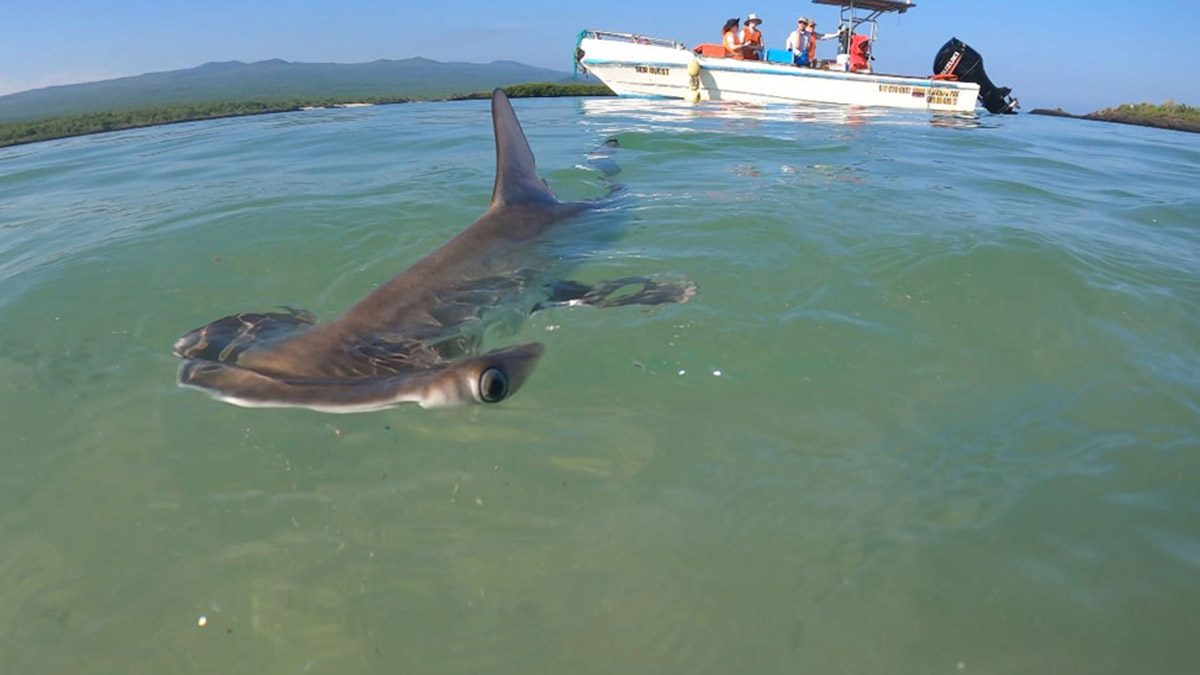
Diving at Roca Blanca involved encounters with both sea lions and manta rays, an unusual combination that proved fascinating. The following days brought further exploration around Darwin and Wolf Islands, where divers frequently encountered schools of hammerhead sharks and other marine species.
Notable Dive Sites
-
Punta Carrion: Hammerhead sharks and manta rays
-
Roca Blanca: Sea lions and mantas interacting
-
Darwin's Pillars: Iconic rock formation with abundant marine life
-
Cape Douglas: Endemic species like the red-lipped batfish
-
Punta Vincente Roca: Diverse underwater topography and schools of salema
During the final days, divers experienced unique habitats and ecosystems, with highlights including marine iguanas at Fernandina Island and rich underwater formations at Cousins Rock. The journey concluded with an exploration of the highlands of Santa Cruz, where giant tortoises can be observed.
The trip took place during the low season for diving, which runs from January to May, resulting in less strong currents but also a divergence in marine life encounters compared to the high season (August to November). While not optimal for larger species like whale sharks, the low season did provide clearer waters and calmer conditions, making it suitable for those prone to seasickness.
The Galapagos Islands continue to attract divers for their unparalleled underwater experiences, rich biodiversity, and dramatic landscapes, ensuring that they remain an essential destination for marine enthusiasts.