Ecuador Releases 277 Giant Tortoises in Galapagos | Travel News
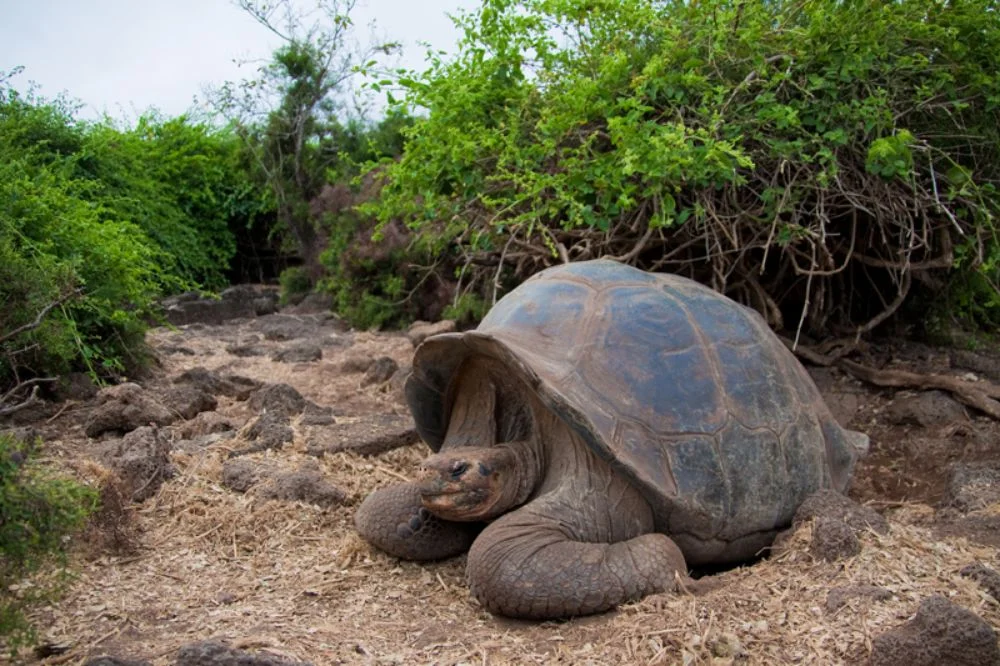
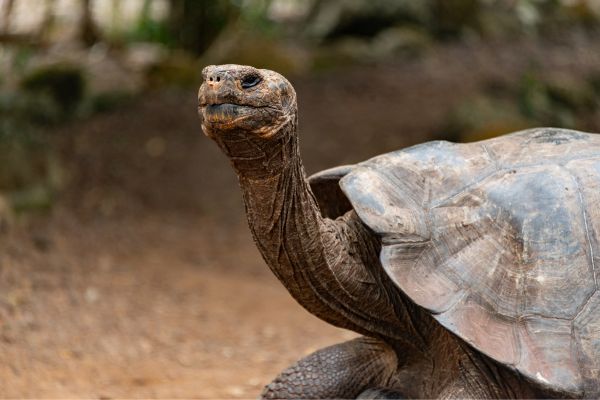
The Government of Ecuador has initiated the release of 277 giant tortoises in the Galapagos Islands as part of a broader ecological restoration strategy. This program aims to bolster conservation efforts within the archipelago, coordinated by the Ministry of Environment.
In February 2026, the release involved several species:
-
71 specimens of Chelonoidis darwini were released on Santiago.
-
146 individuals of Chelonoidis guntheri and Chelonoidis vicina were introduced to Isabela.
-
60 Chelonoidis donfaustoi returned to Santa Cruz.
This initiative is part of specific population recovery plans, addressing the historical risks posed by invasive species and human activity. The tortoises are raised in breeding centers located in San Cristóbal, Isabela, and Santa Cruz, where they are protected from threats until they reach an adequate size for release.
Before their return to the wild, the tortoises undergo quarantine and veterinary checks. Additionally, microchips are implanted for scientific tracking of their adaptation and survival. This monitoring provides vital data for refining conservation efforts.
Explore our Galapagos tours below and experience the islands’ wildlife and restoration efforts with expert naturalist guidance.
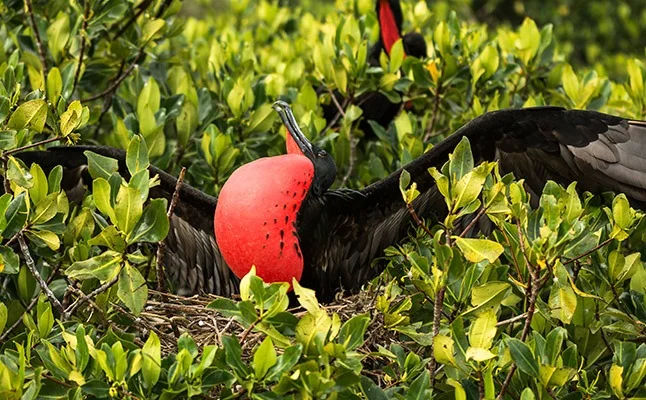 Galapagos Island Hopping Santa Cruz & San Cristobal
Embark on a 7-day adventure through the Galapagos, exploring San Cristóbal and Santa Cruz, snorkeling vibrant waters, and encountering unique wildlife.
Request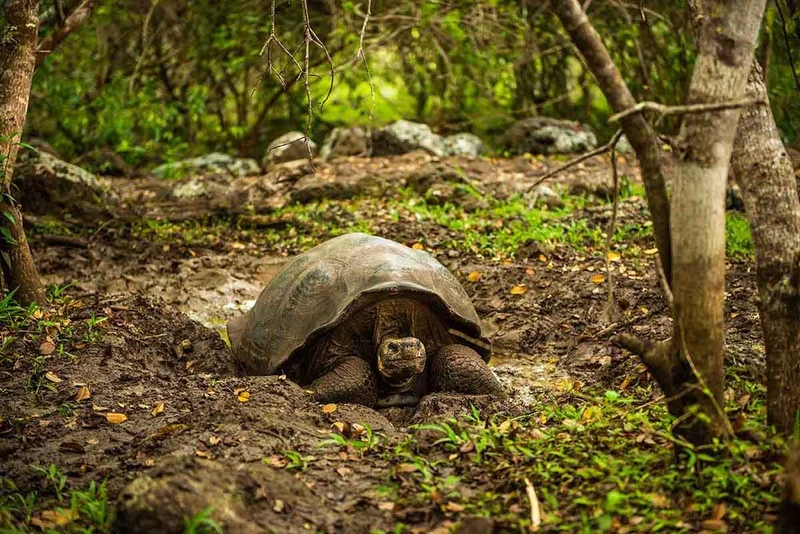 Enchanted Galapagos Western Islands Cruise
Set sail on a seven-day cruise through the stunning Galapagos Islands, where every day unveils breathtaking landscapes and incredible wildlife encounters.
Request Galapagos Island Hopping - Santa Cruz, Floreana &Isabela
Embark on a thrilling 7-day Galapagos adventure, exploring Santa Cruz, Floreana, and Isabela Islands through kayaking, snorkeling, and hiking volcanic craters.
Request
Ecological Role of Giant Tortoises
Giant tortoises play a critical role in the island ecosystem by influencing vegetation dynamics. As they traverse their environment, they help disperse seeds, thereby promoting natural vegetation regeneration. Their activity also alters plant structure, aiding in the recovery of degraded habitats, which sustains numerous associated species and maintains ecological balance within the archipelago.
A new release is anticipated shortly, targeting an island where this species has not been present for over 180 years.
Significance of the Galapagos Islands
The Galapagos archipelago consists of thirteen islands, situated approximately 1,000 kilometers off the Ecuadorian coast. Designated a UNESCO World Natural Heritage site in 1978, it serves as a crucial reference point for biodiversity globally. The unique ecosystems here inspired Charles Darwin’s theory of evolution in the 19th century, leading to the establishment of a conservation approach grounded in empirical evidence.
In the context of global biodiversity loss, the restoration initiatives in Galapagos underscore its role as an ecological sanctuary and a living laboratory.
Historically, giant tortoises have faced severe threats from hunting, habitat loss, and invasive species, leading to significant population declines. Currently, many of their subspecies are classified as threatened, making captive breeding and ecological restoration imperative. Ongoing efforts by the Ecuadorian State and the Galapagos National Park Directorate have seen some populations recover, but continuous monitoring is essential amid challenges from climate change and emerging environmental pressures.