Yellow-Morph Green Turtles: New Insights from the Galápagos | Travel News
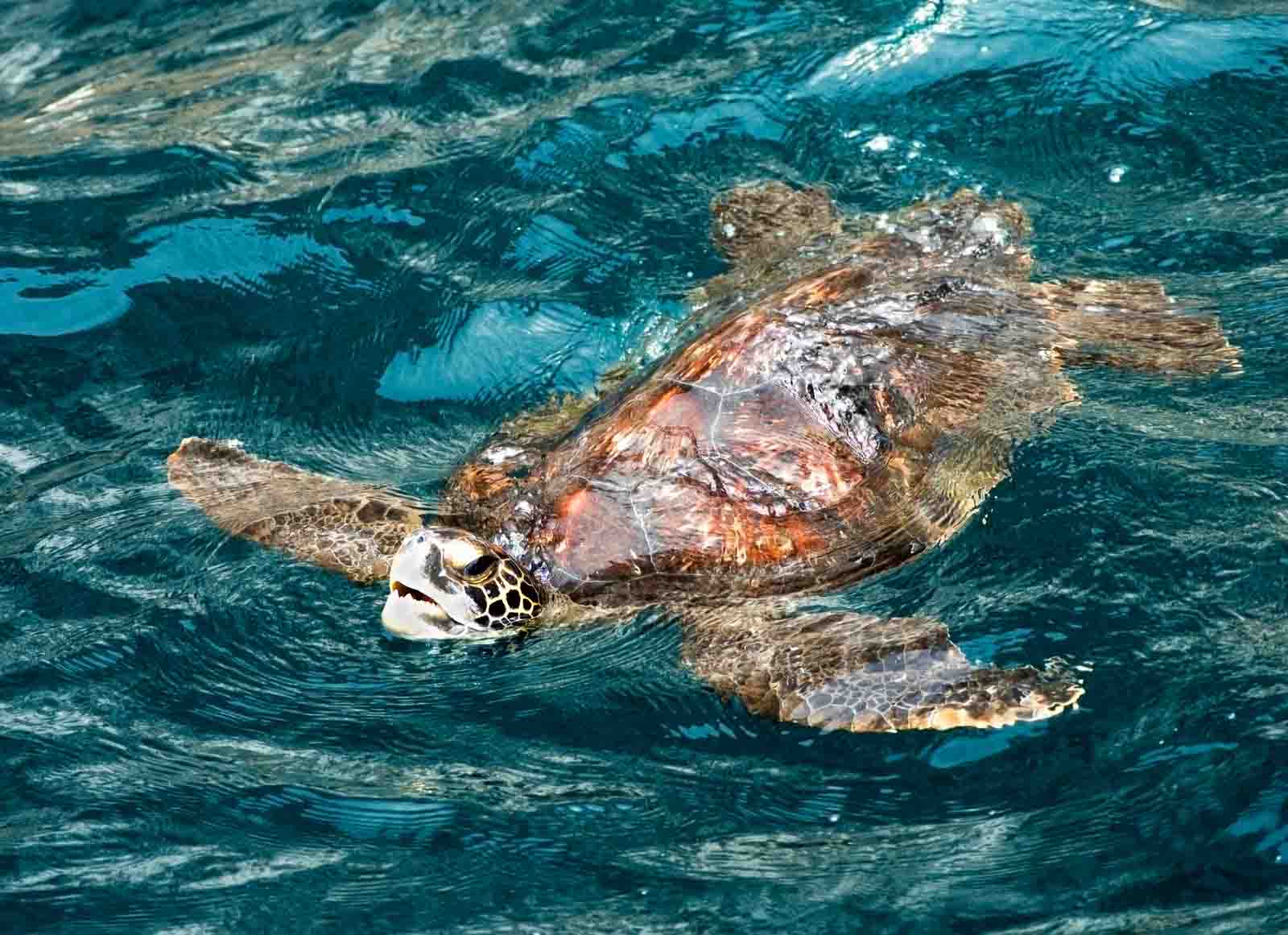
Recent satellite tracking of yellow-morph green turtles (Chelonia mydas) in the Galapagos Islands has revealed that these turtles may remain around the archipelago for extended periods, challenging previous assumptions about their migratory behaviors. Conducted between 2015 and 2018, the study monitored nine adult-sized turtles to understand their movements across this unique marine environment.
Green turtles are generally known for their extensive migrations, traveling hundreds to thousands of miles to find food and nesting sites. However, the tracking data indicated that these turtles spent months in the Galapagos, with no evidence of migrating to breeding grounds. This raises questions about their reproductive patterns.
Tracking Findings
Researchers tagged seven male and two female yellow-morph green turtles near several islands including Española, Floreana, Isabela, and San Cristóbal. The duration of tracking varied, with tags attached for between 45 and 418 days. The positional accuracy of the tags varied significantly, with potential errors ranging up to 1,500 meters.
Dr. John W. Rowe noted, “Here we show that ‘yellow-morph’ green sea turtles occupy individual foraging areas which span one or more islands in the Galapagos.” The data revealed that five turtles primarily remained near their capture sites, while four exhibited inter-island movement, particularly during the cooler months from April to October.
Home Ranges and Habitats
The estimated home ranges of these turtles varied widely, averaging around 578 square miles (1,500 square kilometers), with individual ranges extending from about 9 to 10,547 square miles (24 to 27,316 square kilometers). Factors influencing these ranges remain unclear and warrant further research, especially regarding environmental changes and food availability.
The Galapagos Islands provide diverse coastal habitats that are shaped by local currents and nutrients, serving as foraging grounds for the turtles. The tags did not capture dietary behaviors, but it is known that these turtles consume marine algae and seaweed in shallow waters.
- Study conducted from 2015 to 2018, tagging nine yellow-morph green turtles.
- Turtles spent months in the Galapagos, with five remaining near capture sites.
- Home ranges varied significantly, suggesting differing behaviors among individuals.
Despite the turtles’ prolonged presence in the Galapagos, where they do not nest, the breeding routes of the females remain unknown. Dr. Juan Pablo Muñoz-Pérez from Universidad San Francisco de Quito emphasized the possibility that female yellow-morph turtles leave the Galapagos to return to their natal beaches in the western Pacific, highlighting the need for conservation efforts that protect multiple marine habitats, not just isolated locations.
This study underscores the importance of interconnected marine areas for the survival of these turtles. It suggests that conservation plans should consider the quality of habitats across the archipelago, as changes in one area could impact turtles reliant on resources from various locations.
Future research is necessary to track more turtles over longer periods, incorporating advanced tracking technologies to enhance understanding of their movements and environmental interactions. The study results have been published in the journal Frontiers in Amphibian and Reptile Science.