Galapagos wildlife faces climate, tourism and trafficking pressures | Travel News
Highlighting growing pressures on wildlife and communities in the Galapagos Islands, from increasingly unpredictable climate conditions to tourism growth and wildlife trafficking. Its September 2026 update also focuses on the adaptations that allow native species to survive the archipelago's demanding environment.
Among the immediate concerns is the prospect of a strong El Niño. The organisation says changing climate patterns are already affecting the Islands and that it is working with partners to monitor possible consequences for Galapagos wildlife.
Wildlife under pressure
One species drawing attention is the Galapagos damselfish, which has not been seen in the Islands since 1983. Marine biologist Jack Stein Grove has spent more than 40 years searching for the fish, according to the organisation.
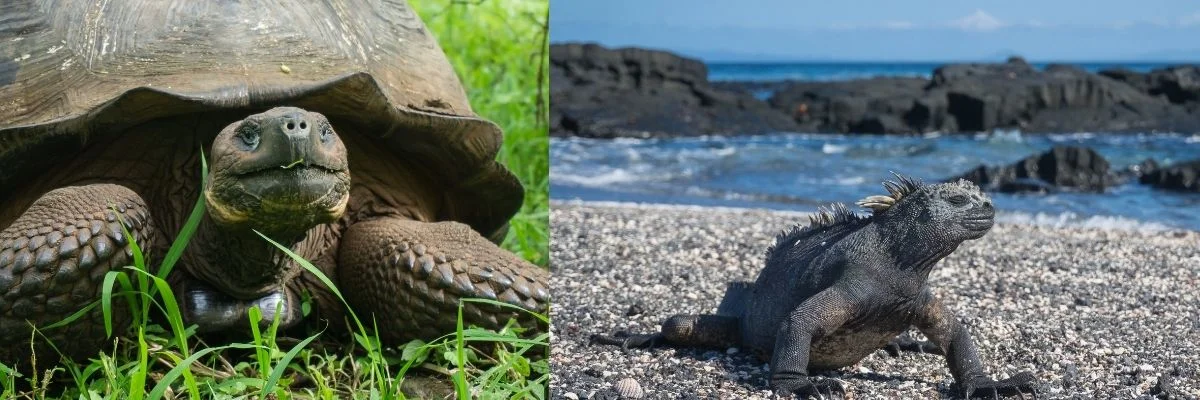
The update also reports a wildlife trafficking case involving 32 marine iguanas. A woman was arrested earlier in September after allegedly attempting to smuggle the animals out of the Galapagos Islands.
Ecuador'sMinistry of Environment said the iguanas were discovered weak and dehydrated. After receiving medical care, they were transferred to a conservation centre, where they are expected to remain until their condition improves.
- Thirty-two marine iguanas were recovered in an alleged smuggling attempt.
- The animals were reported to be weak and dehydrated when found.
- The Galapagos damselfish has not been recorded in the Islands since 1983.
- Researchers are monitoring potential effects of El Niño on Galapagos wildlife.
- Scientists are also tagging and tracking spotted eagle rays to identify areas important to the species.
Climate, tourism and adaptation
The newsletter points to research linking recent strong El Niño events with a warming planet caused by fossil fuel use. Such events are particularly relevant in Galapagos because changing ocean conditions can affect species and ecosystems across the archipelago.
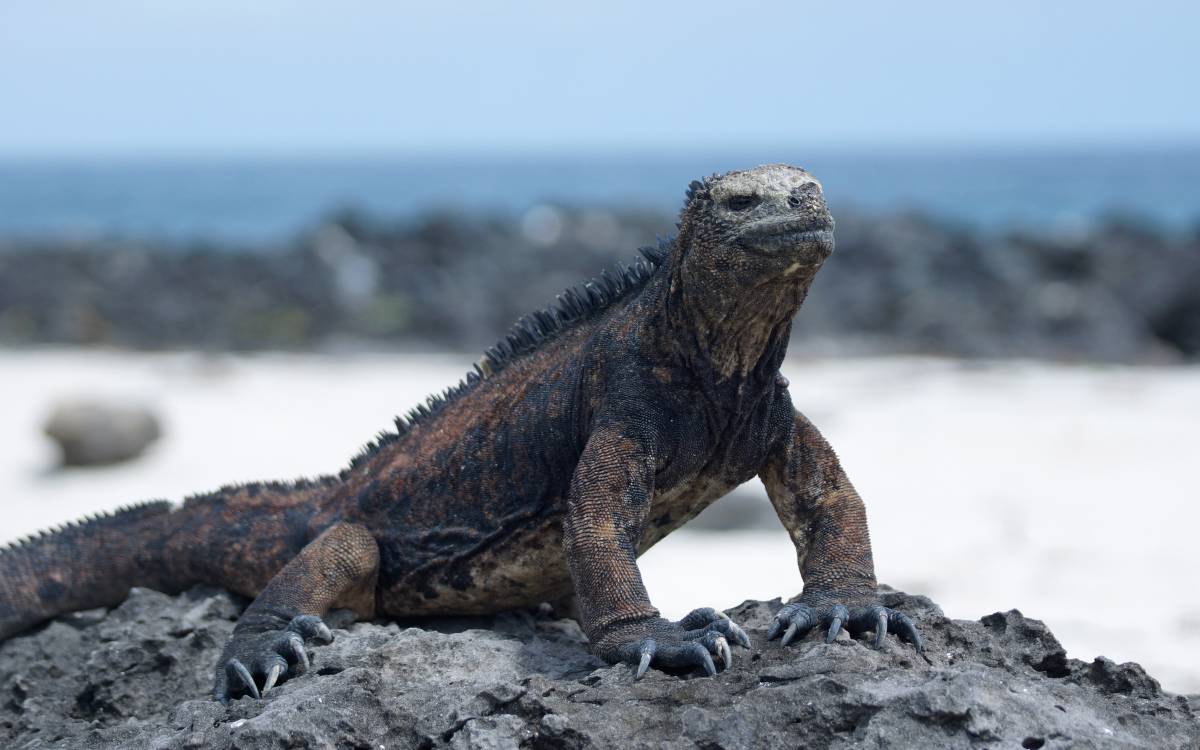
At the same time, the organisation is examining how native wildlife has adapted to difficult conditions. Galapagos includes dry lowlands, volcanic terrain and more hospitable highland areas, creating sharply different environments within the Islands. Marine iguanas are among the species featured in educational material about these adaptations.
Tourism will be another focus at Galapagos Day in London on Thursday, 8 October, at 1 Wimpole Street. The event is due to examine how tourism has altered the social, political and environmental landscape of Galapagos during the past 50 years and consider approaches intended to balance visits with the needs of residents and ecosystems. Broadcaster Kate Humble and Galapagueño community leader Daniel Proaño are among the announced speakers.
Separate conservation work highlighted in the update includes tagging and tracking spotted eagle rays. The research is intended to help scientists identify areas across Galapagos that are important for the rays and other species, while monitoring of El Niño conditions and their potential effects on wildlife is continuing.