Heavy El Niño Rains Trigger State of Emergency on Ecuador's Galapagos Islands | Travel News
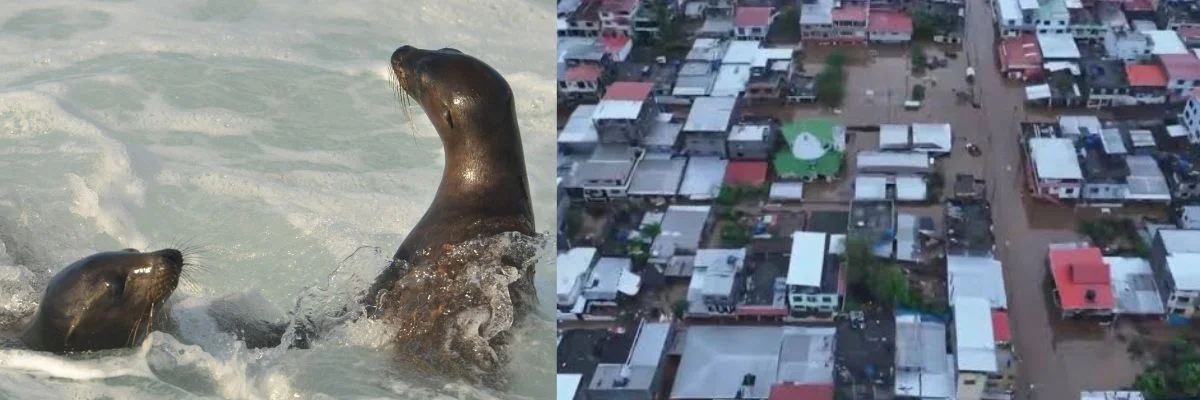
Intense rainfall linked to the El Niño phenomenon caused flooding, road damage and disruptions to essential services on Santa Cruz Island in Ecuador's Galapagos archipelago, leading authorities to declare a state of emergency on October 31, 2026. The flooding affected residential neighborhoods, interrupted access to Baltra Airport and prompted temporary restrictions at several tourist sites.
The downpour began at approximately 10 p.m. on October 30 and continued until about 6 a.m. the following day. Streams and natural drainage channels overflowed, flooding homes and streets in Bellavista, Santa Rosa, Aguacatal, Miramar, Divino Niño and La Cascada.
Road infrastructure sustained damage, particularly along the main connection between Puerto Ayora, Bellavista and the island's highlands. Fallen electricity poles, debris and flooded sections obstructed traffic, prompting authorities to restrict vehicle access while emergency teams assessed the damage and began clearing operations.
Parts of Santa Cruz also experienced temporary electricity and telecommunications interruptions. Utility crews worked alongside emergency responders to inspect damaged infrastructure and restore affected services.
Baltra Airport suspends operations
Air transportation was disrupted on October 31 when operations at Seymour Airport on Baltra Island were temporarily suspended as a precaution. The interruption affected scheduled commercial flights and required airlines and tourism providers to review passenger arrangements.

The Directorate General of Civil Aviation subsequently announced plans to resume airport activity during the afternoon. At the same time, infrastructure teams worked to restore controlled access to the Itabaca ferry terminal, which connects Santa Cruz with Baltra and forms part of the main transfer route between Puerto Ayora and the airport.
Emergency teams respond to flooding
Following the emergency declaration, the Municipal Government of Santa Cruz coordinated response operations with the Galapagos Government Council, the National Secretariat for Risk Management, the Armed Forces, the National Police and the Fire Department.
Rescue personnel used boats and specialized equipment to reach flooded neighborhoods and assist residents. The Galapagos National Park Directorate contributed three Zodiac boats to operations in La Cascada, where rising water levels complicated access.
Municipal crews deployed heavy machinery to remove debris, inspect damaged roads and reopen transportation corridors. Emergency teams also continued evaluating residential properties, public infrastructure and essential services.
Tourism operations face temporary restrictions
The flooding affected tourism logistics on Santa Cruz, a major center for accommodation, visitor transportation and expedition operations in the Galapagos Islands. Airport interruptions and road restrictions complicated transfers, while adverse weather required adjustments to some scheduled activities.
The Galapagos National Park temporarily restricted access to six visitor sites across Santa Cruz and San Cristóbal while authorities assessed safety and environmental conditions. Tourism operators were advised to review itineraries, maintain communication with travelers and coordinate activities with local authorities.
Tourism services elsewhere in the archipelago continued operating, although some itineraries required temporary modifications.
Key disruptions and emergency measures
- Emergency declaration: October 31, 2026, following approximately eight hours of heavy rainfall.
- Affected communities: Bellavista, Santa Rosa, Aguacatal, Miramar, Divino Niño and La Cascada.
- Transportation: temporary suspension of Baltra Airport operations and restrictions on damaged roads.
- Essential services: localized electricity and telecommunications interruptions.
- Emergency response: rescue boats, municipal machinery and coordinated operations involving local and national agencies.
- Tourism: temporary closure of six Galápagos National Park visitor sites and adjustments to some travel arrangements.
Infrastructure repairs and weather monitoring continue
Authorities continued prioritizing road clearance, restoration of essential services and assistance to neighborhoods affected by the flooding. Emergency personnel also monitored weather conditions and assessed infrastructure before reopening restricted areas.
Residents and visitors were advised to avoid flooded locations, follow official emergency announcements and confirm airport transfers and tourism arrangements before traveling.
The available information does not establish a final timetable for completing infrastructure repairs or lifting all tourism restrictions. Further decisions depend on road conditions, service restoration and ongoing safety assessments.