Ecuador's Sustainable Air Connectivity to Galápagos Islands | Travel News
Ecuador is enhancing air connectivity between the mainland and the Galapagos Islands as part of its commitment to sustainable tourism. This effort aims to balance increasing visitor demand with strict environmental protections essential for preserving the unique ecosystems of the Galapagos, recognized for their biodiversity and ecological significance.
The Galapagos Islands, located approximately 1,000 kilometers off Ecuador's Pacific coast, are home to species found nowhere else. They play a crucial role in scientific research and conservation. As tourism pressure mounts, Ecuador's authorities are improving transportation networks and operational efficiencies while adhering to ecological preservation guidelines.
Improving air transportation, primarily through regulated commercial flights, is foundational to managing tourism. Enhanced scheduling and route coordination are expected to facilitate smoother travel experiences while maintaining oversight of visitor numbers. This approach shifts focus from increasing volumes to optimizing visitor access in line with conservation objectives.
Key Strategies for Conservation
- Visitor management regulations include permits and designated access areas.
- Controlled visitation is critical to preventing ecological degradation.
- Community engagement ensures local economic benefits without increased tourist numbers.
The government established visitor caps because the islands can only accommodate a specific number of tourists during each visit. The protection of natural habitats depends on authorized sites which operate under strict operational controls to achieve environmental balance and improve visitor experience quality. The established measurements show how tourism activities link with environmental protection systems to create a working system.
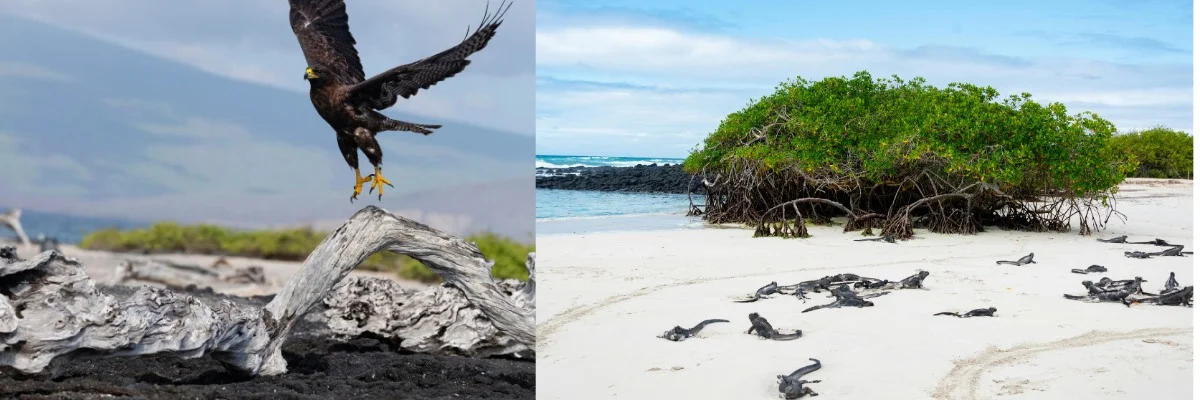
The Galapagos islands function as a top eco-tourism destination because they attract visitors who want to watch their special wildlife species which includes giant tortoises and marine iguanas. The organization provides guided tours which help protect natural habitats while showing visitors why conservation work matters for wildlife survival.
Pursuing Sustainable Transportation
The Galapagos now base their transportation planning operations on sustainable development principles. The evaluation process continues as authorities work to develop transportation systems which fulfill their environmental protection requirements for future sustainability. The three groups work together to achieve better destination control because they maintain constant communication with each other.
The travel sector worldwide now focuses more on responsible tourism practices which drive this industry transformation. Sustainable transportation systems help protect natural resources while providing visitors with better experiences and supporting environmental protection efforts.
The mainland together with the Galapagos depends on tourism as their main economic source which supports both business growth and environmental protection and social progress in local communities. The goal of better air links focuses on creating business prospects through controlled tourist access systems.
The Path Ahead
The Galapagos requires conservation to maintain its position as the essential element which guides all tourism operations and transportation development. The region achieves ecological vitality through teamwork which combines invasive species control with habitat restoration and wildlife protection programs. People now select travel destinations which focus on environmental protection because they understand why these conservation initiatives matter.
The future of tourism in the Galapagos will hinge on sustainable practices. Ecuador has established itself as a responsible tourism leader through its multiple efforts to improve access while maintaining strict visitor limits for environmental protection and economic growth.