Galapagos Marine Life Faces El Niño Challenges | Travel News
Scientists are warning that a strong El Niño event this winter could add pressure to marine life in the Galapagos, where wildlife already faces threats including invasive species, pollution and overfishing.
The Galapagos Conservation Trust’s latest update focuses on what is happening beneath the waves, from the movement of whale sharks to the ability of marine iguanas to cope with changing conditions. It also outlines upcoming events, education resources and ways for the public to support conservation work linked to the islands’ marine ecosystems.
El Niño can affect the ocean conditions that many Galapagos species depend on. For marine iguanas, which feed at sea and live along the islands’ shores, a strong event could be especially difficult. The newsletter describes the species as one of the archipelago’s most resilient, with adaptations that help it survive in a changing climate.
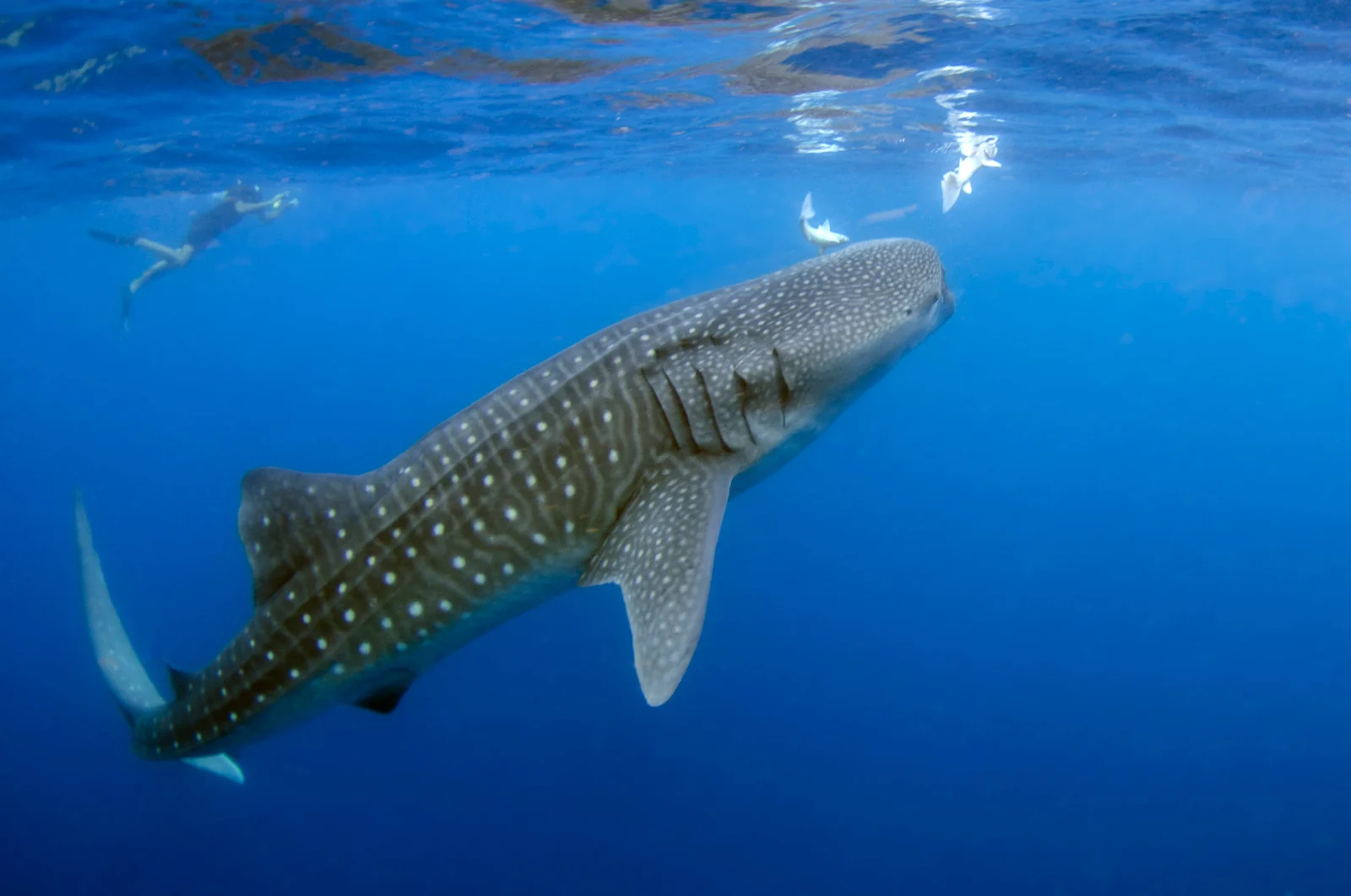
Whale shark webinar to examine life beneath the waves
A forthcoming webinar will look at why whale sharks visit the Galapagos Islands and what they do when they dive deep below the surface. The event will feature Sofía Green, a shark scientist and long-term partner of the Galapagos Conservation Trust.
Green’s work involves tagging and tracking whale sharks, the world’s largest fish species. The research is presented as part of wider efforts to understand and protect the animals and their marine habitat around the Galapagos.
Marine iguanas and El Niño adaptation
The update also highlights marine iguanas, a species closely associated with the Galapagos coastline. The newsletter says a strong El Niño event could be dangerous for them, but notes that they have traits that help them respond to changing environmental conditions.
The project is intended to help scientists understand how El Niño events affect marine iguanas and to support the development of conservation action plans.
The organisation has also released its 2025 Impact Report, which looks back at conservation work in the islands. The report highlights the return of species to their home, an expedition to track hammerhead shark migration routes, and community action to protect ancient tortoise migration routes from plastic pollution.
Free educational resources are also available through the organisation, including materials on the underwater world of Galapagos and the ocean currents that help sustain life in the Galapagos Marine Reserve and beyond.