Explore Year-Round Wildlife in the Galapagos Islands | Travel News
The Galapagos Islands, a year-round destination, offer consistent climate conditions and wildlife activity, making them an appealing location for nature enthusiasts throughout the year. Temperature variations are minor, ranging from a high of 88°F (31°C) to a low of 79°F (26°C). Rain is infrequent, particularly along the coast, where most visitors spend their time. Storms are virtually non-existent, while species diversity remains stable, with many endemic species observable year-round.
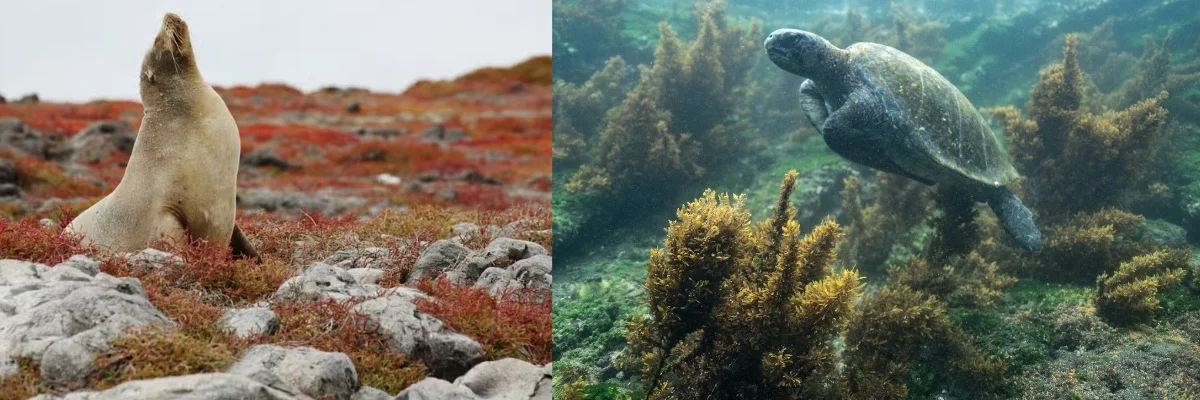
Travelers can expect to encounter a range of wildlife regardless of the season, including Galapagos sea lions, blue-footed boobies, and Galapagos penguins. With the exception of some migratory species, most inhabitants are permanent residents, ensuring consistent observations of unique flora and fauna. Overall, the islands provide excellent water visibility for snorkeling, allowing visitors to appreciate the underwater ecosystem.
Monthly Wildlife Activity Overview
The following summarizes wildlife activity and climate conditions by month, emphasizing optimal wildlife viewing and seasonal highlights:
- January: Green sea turtles commence nesting, while marine iguanas and land iguanas engage in mating displays. Air temperatures average 86°F (30°C) with occasional light tropical showers. Optimal for snorkeling with increased water visibility.
- February: Nesting activities for Nazca boobies and green sea turtles peak, with greater visibility for underwater activities. Air temperatures remain at 86°F (30°C), making it an ideal month for marine wildlife encounters.
- March: The breeding season for land and marine iguanas begins, and giant tortoises migrate to lower elevations. Average temperatures reach 88°F (31°C), marking lush greenery thanks to early rains.
- April: Nesting activities continue for various species, with the first sightings of blue whales this month. The rainy season begins, leading to the lushest landscapes. Temperatures remain at 88°F (31°C).
- May: The Garua season introduces cooler, more temperate weather. Egg-laying for albatrosses starts, with a noticeable increase in marine biodiversity due to the strengthening Humboldt Current. Average temperatures around 82°F (28°C).
- June: Albatross eggs undergo full incubation, and whale watching increases with the arrival of humpback whales. Cooler temperatures and increased rainfall characterize this month, averaging 79°F (26°C).
- July: Hatching season for albatross chicks begins, with optimal conditions for whale and dolphin spotting. Constant temperatures of 79°F (26°C) and abundant marine life support excellent snorkeling experiences.
- August: Galapagos sea lions start their breeding season, contributing to high wildlife activity visibility. Temperatures remain steady at 79°F (26°C). June and July provide good conditions for underwater activities.
- September: Notable for the arrival of migratory shorebirds and increased marine life presence. Whale and dolphin spotting peaks in this cooler month, with temperatures around 79°F (26°C).
- October: Significant hatching activity occurs, along with increased marine wildlife often observable during snorkeling. Temperatures average 79°F (26°C).
- November: Increased activity among penguins and sea turtles as mating begins. This month results in warmer weather and a lively marine environment, with temperatures around 79°F (26°C).
- December: The warm season begins with a marked increase in wildlife activity. Noteworthy occurrences include fledging albatrosses and a robust presence of Galapagos marine iguanas. Temperatures average 81°F (27°C).
The Galapagos Islands stand out as a unique destination for wildlife observation and marine adventure in all seasons. Travelers interested in exploring this ecological hotspot may plan trips according to specific wildlife patterns and climate preferences.