
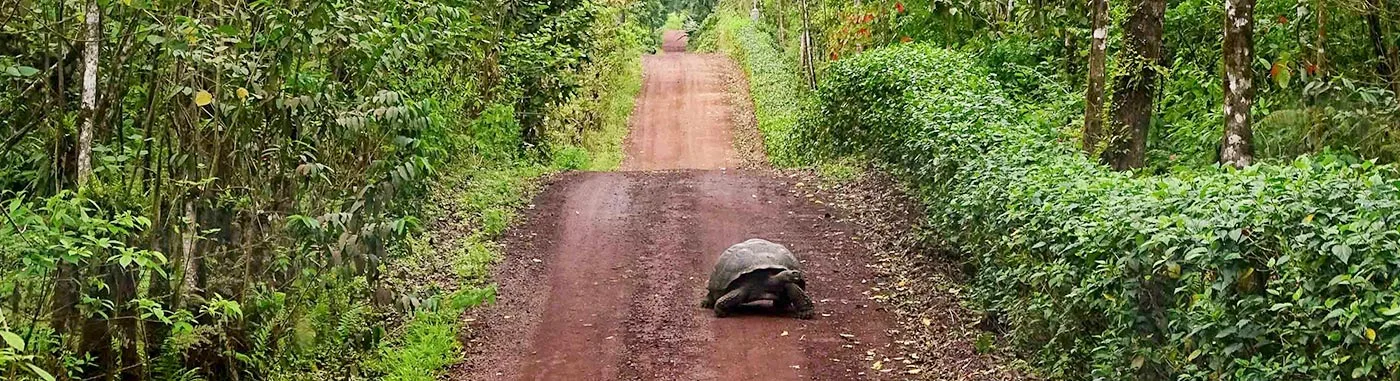
Before comparing itineraries, there are two fees every traveler needs to know about. The Galápagos National Park entrance fee is US$200 for foreign adults, paid when you arrive at the islands’ airport. The Transit Control Card costs US$20 and is bought in cash at the mainland airport in Quito or Guayaquil before your flight. That’s US$220 in fixed fees before you’ve booked anything. Then add the round-trip mainland flight, usually around US$400–$500 per person, depending on the season. Now, you’re looking at roughly US$600 in fixed costs before your trip has even begun. Bring cash in US dollars for the fees.
Galapagos Land-based (Island-Hopping) Tour Packages
Our island-hopping programs offer a slower-paced alternative to cruising, with eco-lodges on Santa Cruz, Isabela, and San Cristóbal as your bases. Spend your days exploring highland forests, mangroves, and tortoise country, then return to land each night, with more time for local culture and less time at sea.
Browse all our land itineraries below and filter by trip length and island route. Tell us what you’re interested in, your preferred activity level, and your budget. We’ll help shape the Galápagos part first, then build the rest of your trip around it.
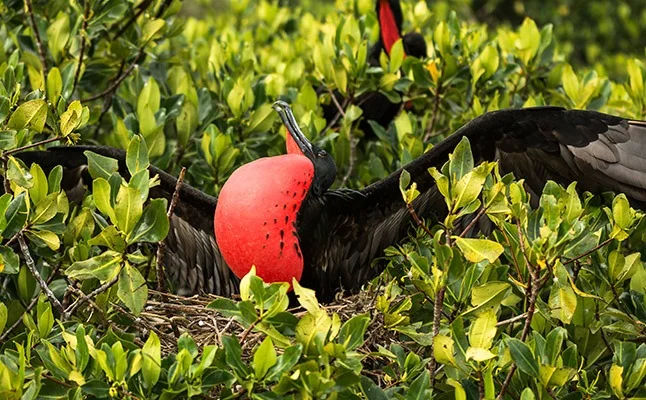
- Day 1 : San Cristobal Island
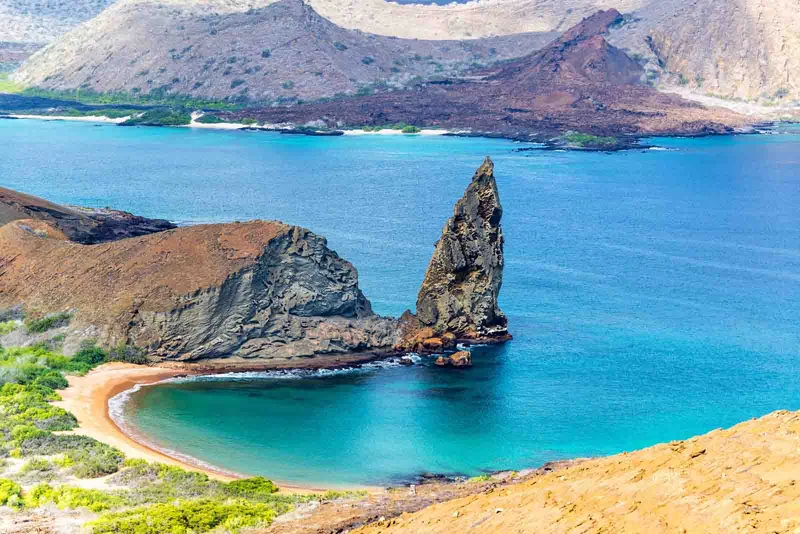
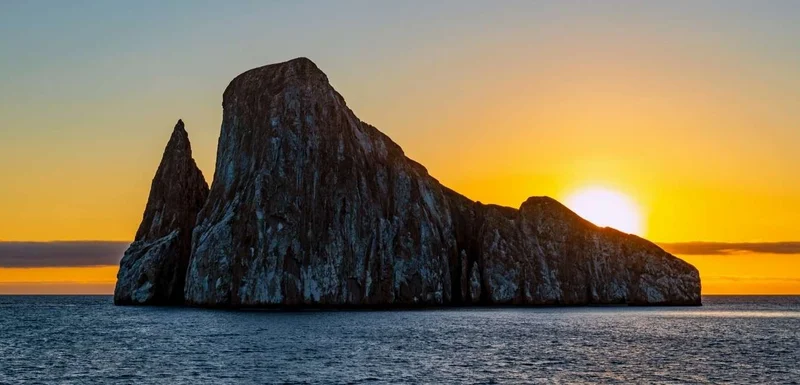
- Day 2 : San Cristobal Island: Kicker Rock & Cerro Brujo
- Day 3 : Santa Cruz Island: Highlands & Charles Darwin Station
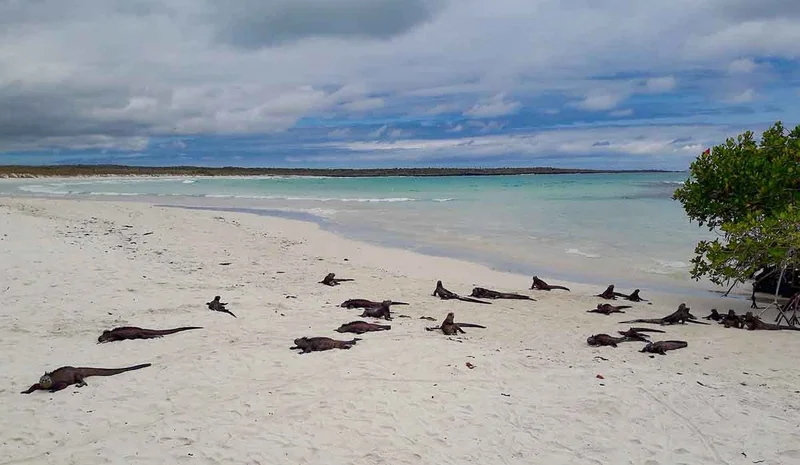
- Day 1 : Baltra Island – Santa Cruz Island
- Day 2 : North Seymour and Bachas, South Plazas, Santa Fe Island or Bartolome and Sullivan Bay
- Day 3 : Santa Cruz Island – Floreana Island
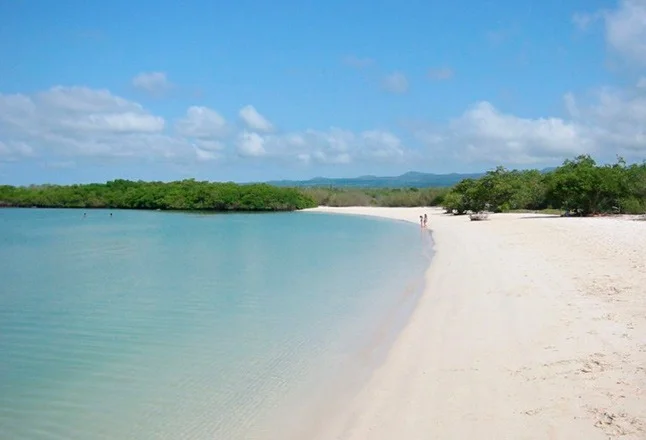
- Day 1 : Baltra Island & Isabela Island
- Day 2 : Isabela Island: Sierra Negra, Volcan Chico & Concha Perla
- Day 3 : Isabela Island: Tintoreras, Puerto Villamil & Wall of tears
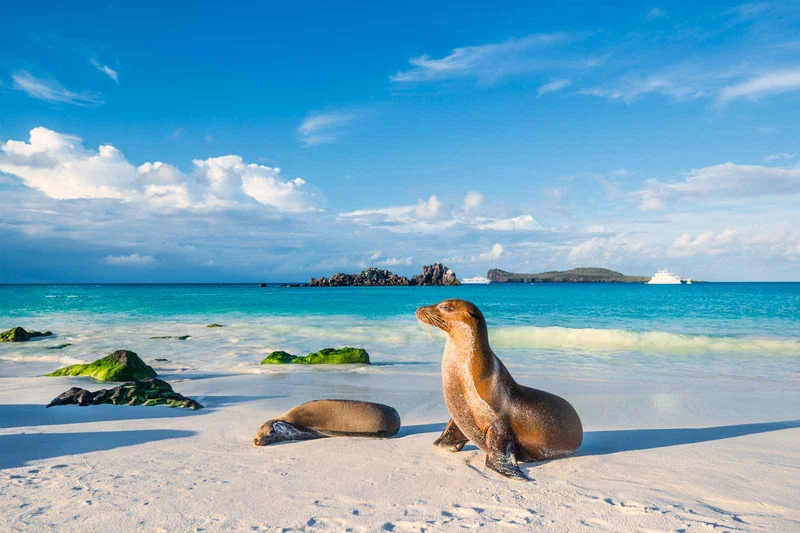
- Day 1 : San Cristobal Island
- Day 2 : Española Island: Gardner Bay & Suarez Point
- Day 3 : Pitt Point
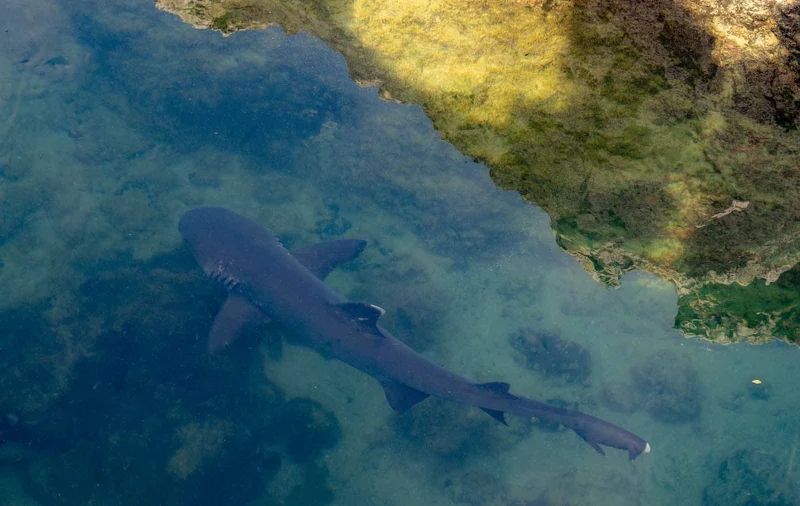
- Day 1 : Santa Cruz Island
- Day 2 : Santa Cruz Island: Tortuga Bay & Fausto Llerena Interpretation Center
- Day 3 : Isabela Island: Puerto Villamil & Las Tintoreras
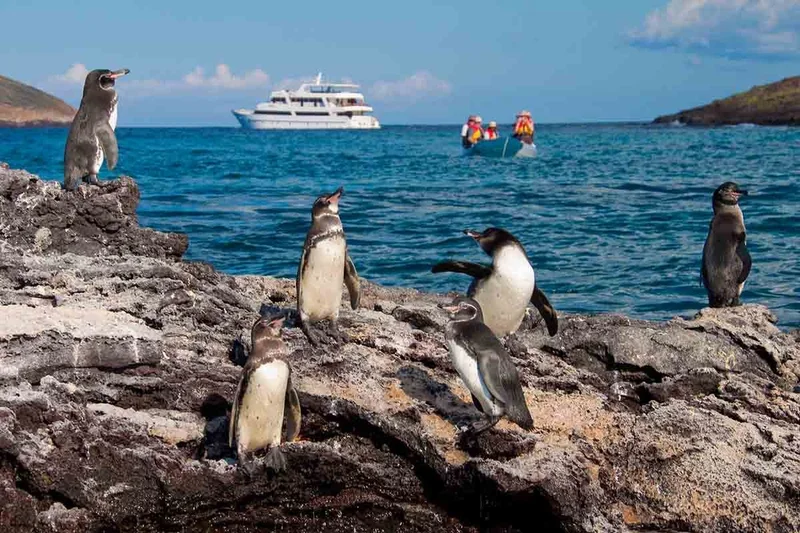
- Day 1 : Santa Cruz Island: Charles Darwin Station
- Day 2 : Sailing Tour (Bartolome / North Seymour / Plazas / Santa Fé)
- Day 3 : Santa Cruz Island: Tortuga Bay & Isabela Island: Flamingo Lagoon
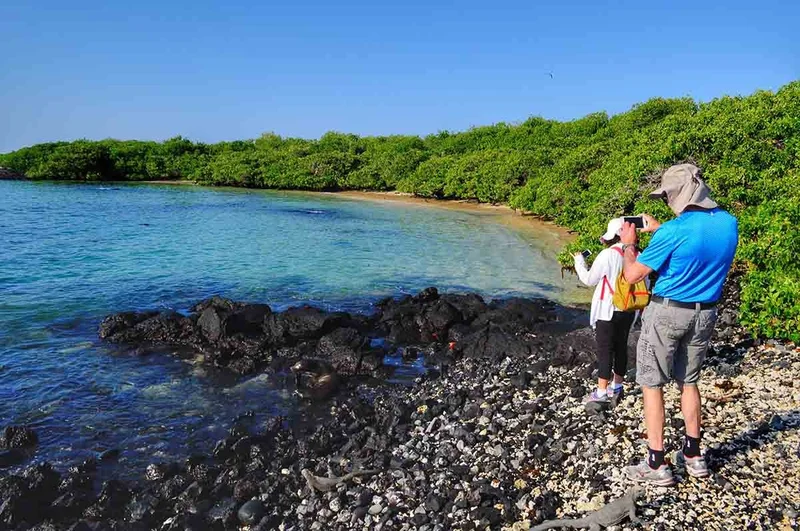
- Day 1 : Isabela Island: Puerto Villamil
- Day 2 : Isabela Island: Sierra Negra and Volcan Chico
- Day 3 : Isabela Island: Tintoreras
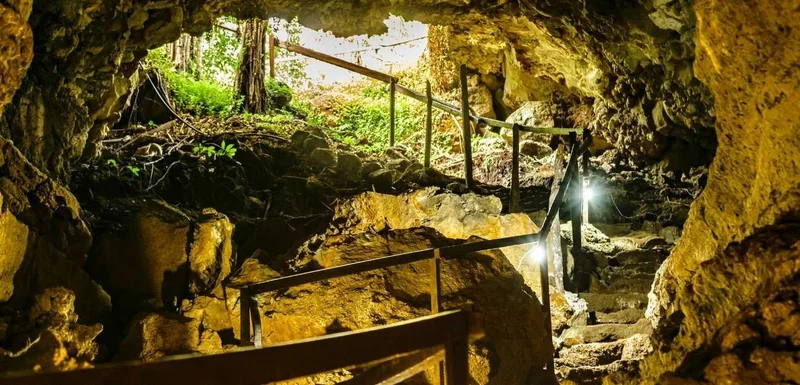
- Day 1 : Santa Cruz Island: Highlands & Charles Darwin Station
- Day 2 : Santa Cruz Island: Las Grietas
- Day 3 : Isabela Island: Puerto Villamil
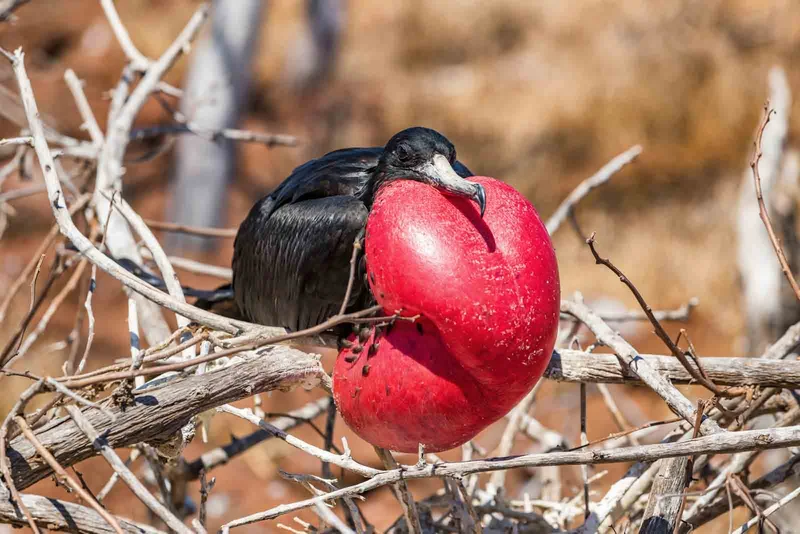
- Day 1 : San Cristobal Island: Cerro Tijeretas & Interpretation Center
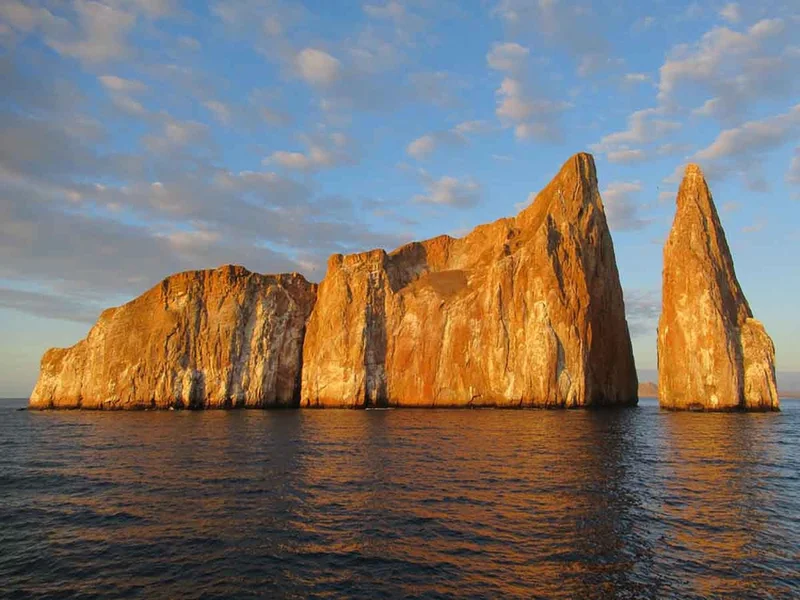
- Day 2 : Kicker Rock
- Day 3 : Santa Cruz Island: Las Grietas
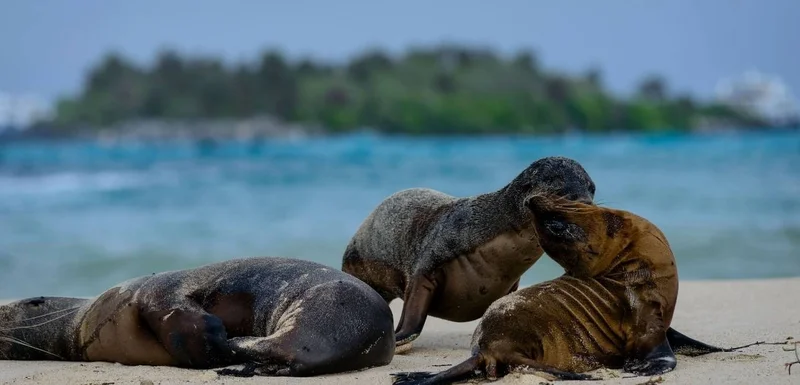
- Day 1 : San Cristobal Island: Puerto Baquerizo Moreno
- Day 2 : San Cristobal Island: Highlands, El Progreso & Cerro Colorado Tortoises Breading Center
- Day 3 : San Cristobal Island: La Loberia & Floreana Island
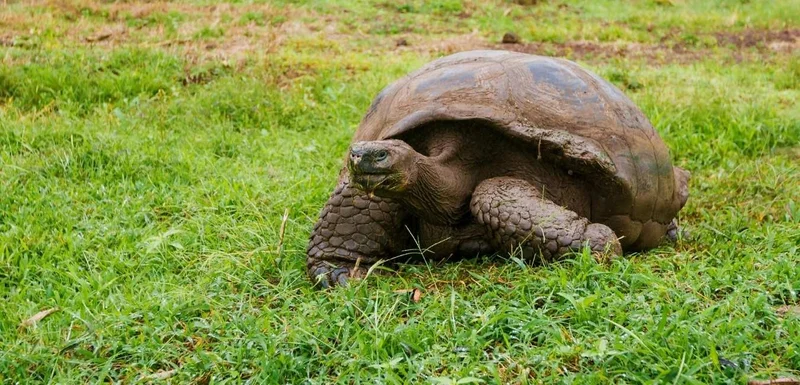
- Day 1 : Arrive in Quito, Welcome Briefing and Dinner
- Day 2 : San Cristobal: Interpretation Center, Tijeretas & Carola Beach
- Day 3 : Snorkel at Kicker Rock
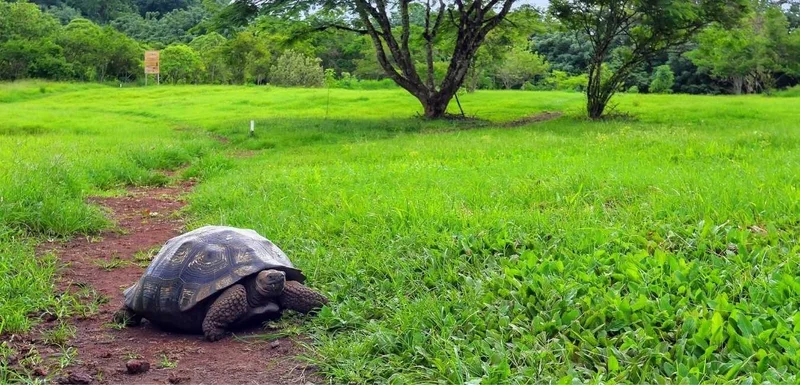
- Day 1 : Santa Cruz Island
- Day 2 : Santa Cruz Island: Tortuga Bay & Charles Darwin Station
- Day 3 : Isabela Island: Puerto Villamil & Las Tintoreras
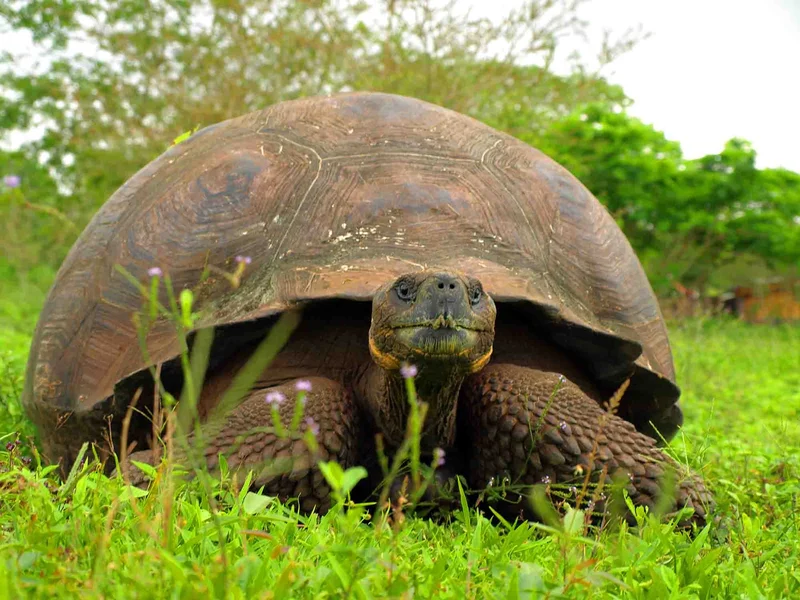
- Day 1 : Santa Cruz Island: Puerto Ayora
- Day 2 : Santa Cruz Island: Tortuga Bay & Charles Darwin Station
- Day 3 : Floreana Island: Puerto Velasco Ibarra & Isabela Island: Puerto Villamil
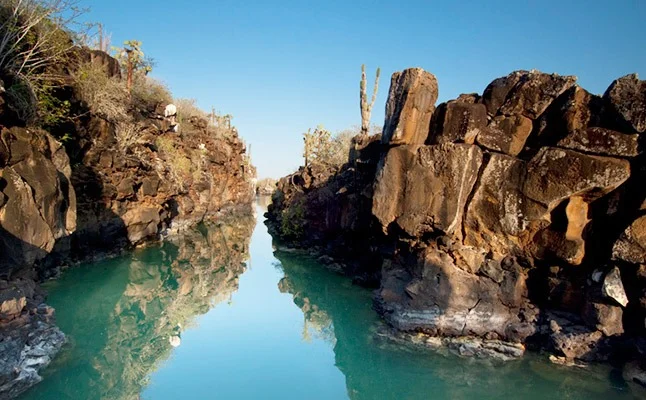
- Day 1 : San Cristobal Island: Interpretation Center, Cerro Tijeretas & Punta Carola
- Day 2 : San Cristobal Island: Puerto Chino, El Junco Lagoon & Cerro Colorado Tortoises Breading Center
- Day 3 : Floreana Island & Isabela Island: Los Humedales
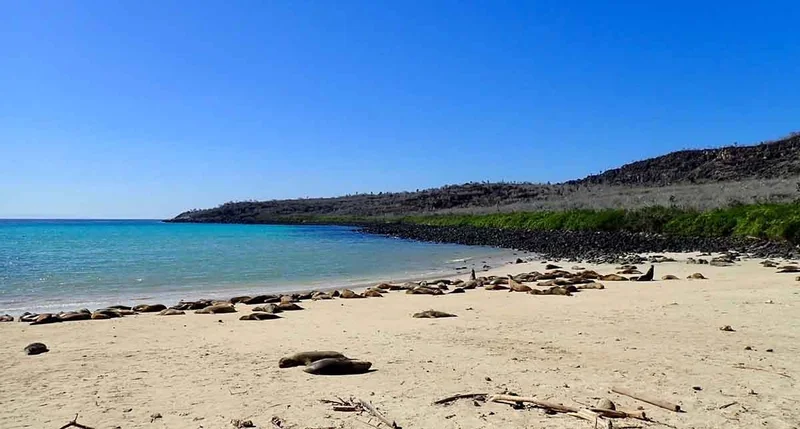
- Day 1 : Baltra Airport
- Day 2 : South Plaza Island & Santa Fe Island
- Day 3 : Santa Cruz Island
- Day 1 : Baltra Island & Isabela Island: Flamingo Lagoon
- Day 2 : Isabela Island: Sierra Negra Volcano & Tintoreras Islet
- Day 3 : Isabela Island: Puerto Villamil
- Day 1 : Baltra Island & Santa Cruz Island: Tortuga Bay
- Day 2 & 3 : Sailing Tours (Bartolome / North Seymour / Plazas / Santa Fé)
- Day 4 : Santa Cruz Island: Charles Darwin Station
- Day 1 : Santa Cruz: Highlands & Charles Darwin Station
- Day 2 : Santa Cruz Island: Bay Tour
- Day 3 : North Seymour, Plazas Island, Bartolome or Santa Fe Islands
- Day 1 : Santa Cruz Island
- Day 2 : Santa Cruz Island: Tortuga Bay & Isabela Island: Puerto Villamil
- Day 3 : Isabela Island: Los Humedales
- Day 1 : Santa Cruz Island: Charles Darwin Station
- Day 2 : Isabela Island or Santa Fe Island
- Day 3 : Santa Cruz Island: Twin Craters
Galapagos Liveaboard Cruise Tour Packages
For the remote northern and western islands, our liveaboard programs use a catamaran or expedition yacht as your base. Itineraries are planned to spend less time sailing and more time exploring. This is how you reach places like Genovesa, Fernandina, and the wilder edges of Isabela. This is also where our eco-factor scoring helps us identify small, locally owned vessels that are worth considering.
Browse all our cruise itineraries below and filter by length, price, and vessel. Looking for a diving liveaboard, a family-friendly catamaran, or a full charter? Tell us what you have in mind. We’ll help you find the right boat and route.
- Day 1 : Arrival to Baltra Island & Santa Cruz Island: Highlands
- Day 2 : Santa Fe Island & South Plazas Island
- Day 3 : Genovesa Island: Prince Philips Steps & Darwin Bay
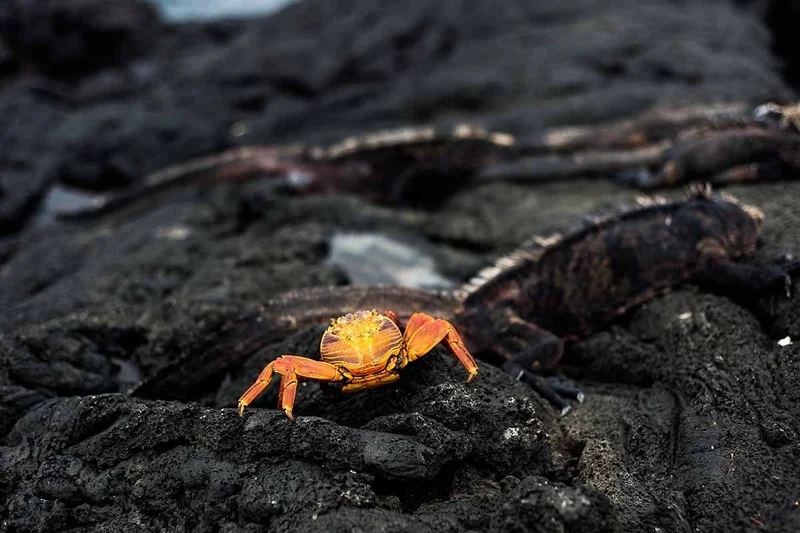
- Day 1 : Baltra Island & Mosquera Island
- Day 2 : Bartolome Island & Santiago Island
- Day 3 : Sombrero Chino Islet & Santa Cruz Island
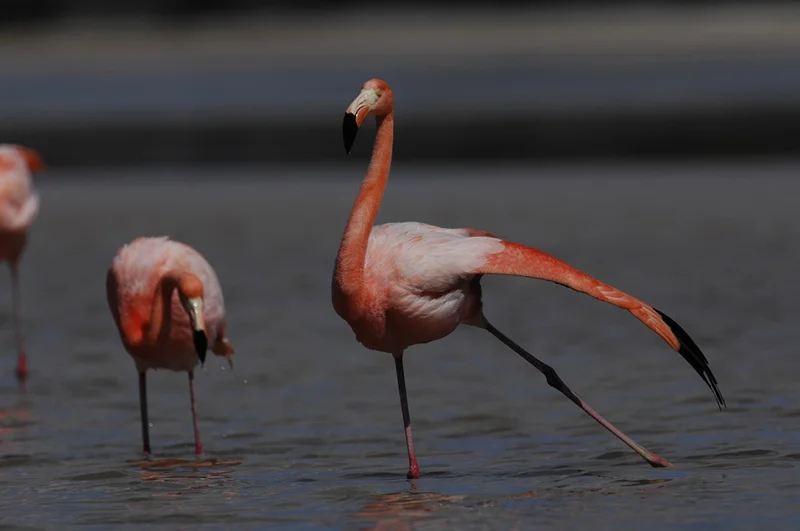
- Day 1 : Santa Cruz Island: Fausto Llerena Breeding Center
- Day 2 : Genovesa Island: El Barranco & Darwin Bay
- Day 3 : Santiago Island: Espumilla Beach & Egas Port
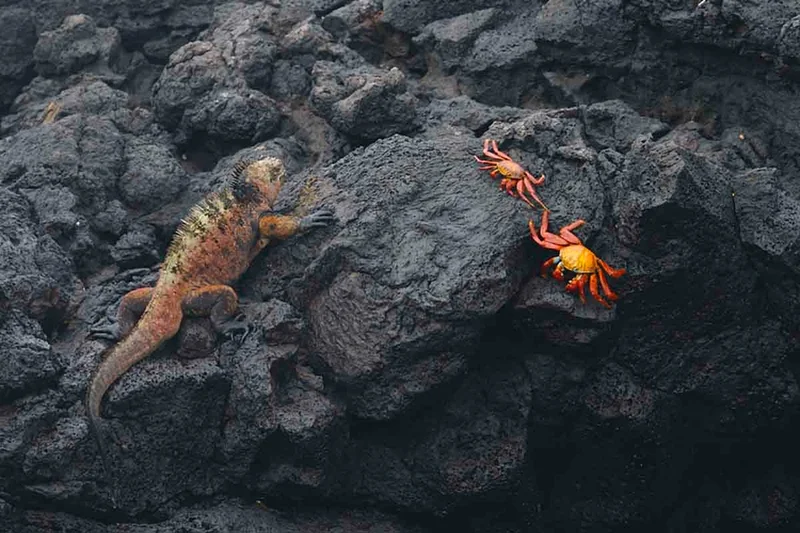
- Day 1 : Arrival at Baltra airport & Bartolome Island
- Day 2 : Genovesa Island: Darwin Bay & El Barranco
- Day 3 : Santiago Island: Egas Port & Espumilla Beach
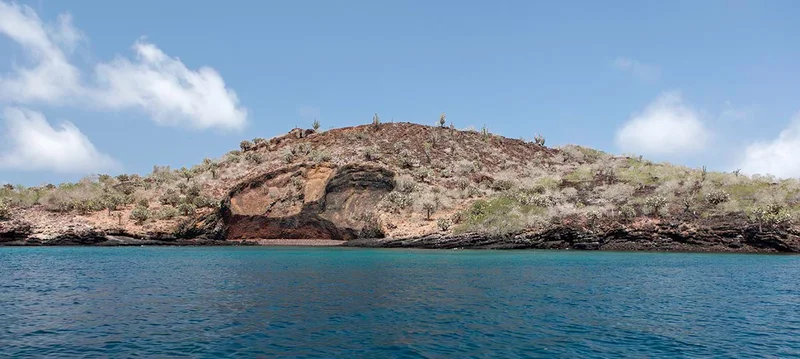
- Day 1 : Baltra Island & Mosquera Islet
- Day 2 : South Plaza Island & Santa Fe Island
- Day 3 : Española Island: Gardner Bay, Islote Gardener, Islote Osborn & Punta Suarez
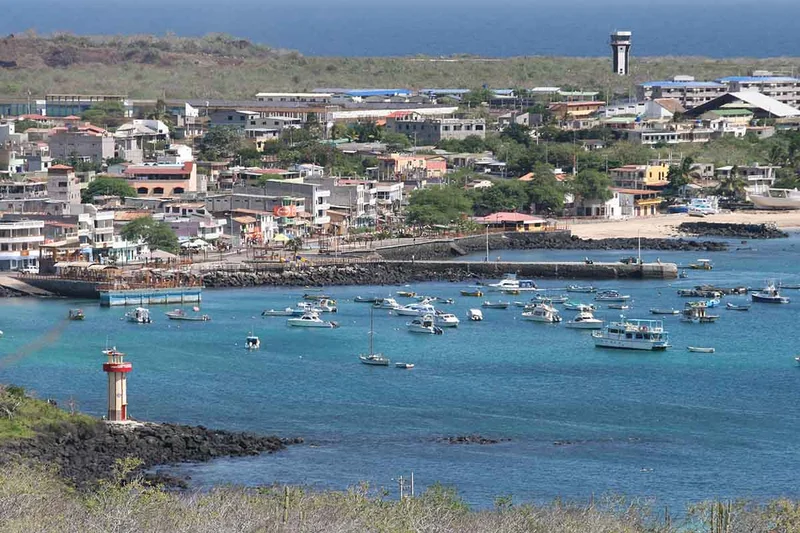
- Day 1 - 2 : Quito
- Day 3 - 5 : Mashpi Rainforest Biodiversity Reserve
- Day 6 : Quito
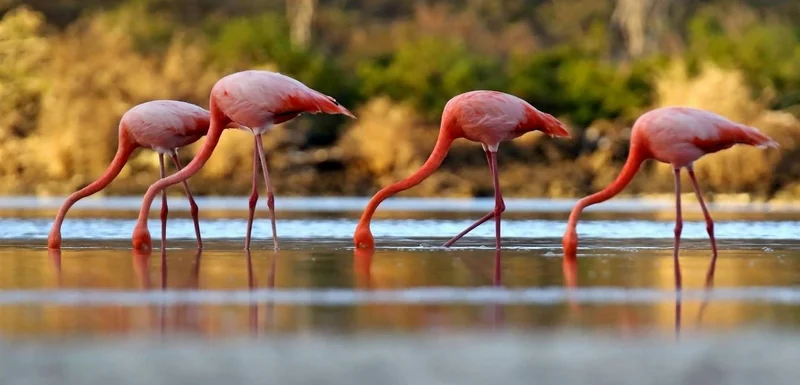
- Day 1 : San Cristóbal Island: Airport & Cerro Colorado
- Day 2 : South Plaza Island & Santa Fe Island
- Day 3 : Floreana Island: Champion Islet, Loberia & Asylum of Peace
- Day 1 : Baltra Island & Daphne Island
- Day 2 : Española Island: Gardner Bay & Suarez Point
- Day 3 : Florana Island: Cormorant Point, Champion Islet, Baroness Lookout & Post Office Bay
- Day 1 : San Cristobal Island
- Day 2 : San Cristobal Island : Pitt Point & Witch Hill
- Day 3 : Española Island: Suarez Point & Gardner Bay
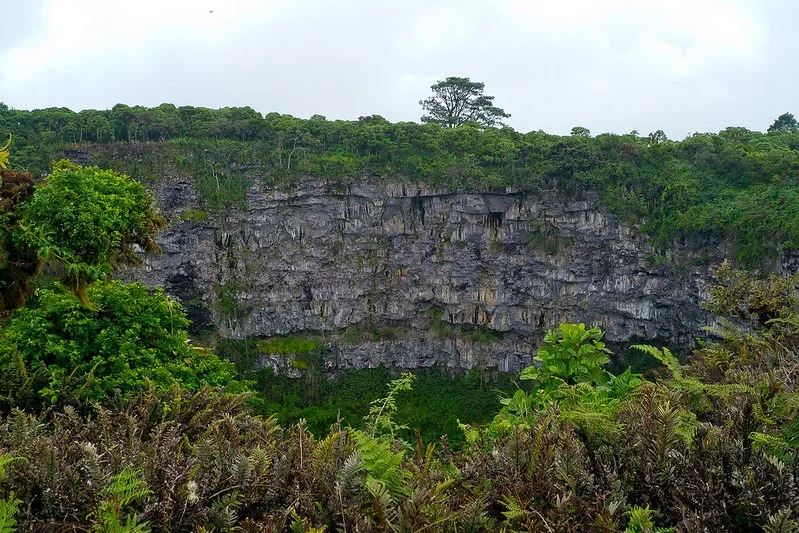
- Day 1 : Baltra Island
- Day 2 : Cape Marshall & City of the Mantas
- Day 3, 4 & 5 : Darwin Island & Wolf Island
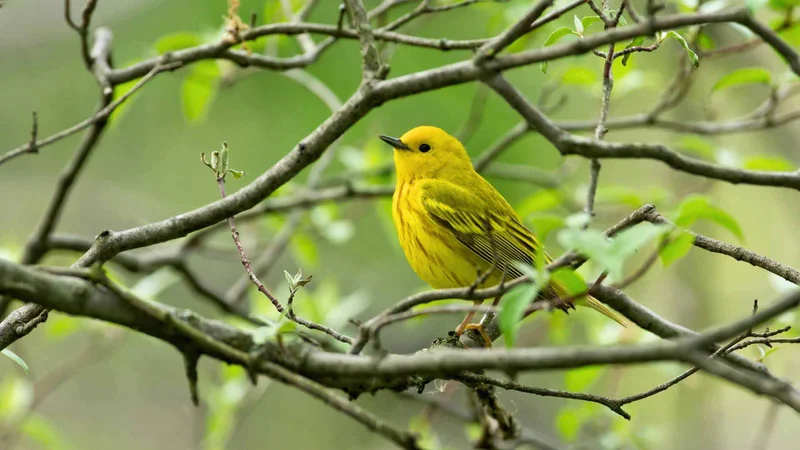
- Day 1 : San Cristobal Island: La Galapaguera
- Day 2 : Genovesa Island: Darwin Bay & Prince Philips Steps
- Day 3 : Santa Cruz Island: Las Bachas Beach & Cerro Dragon
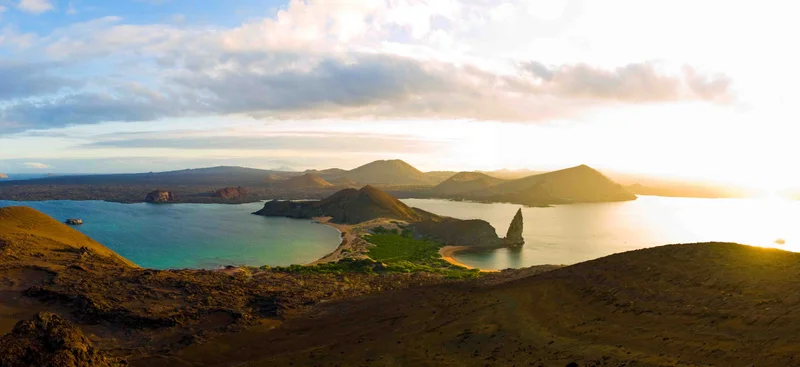
- Day 1 : Baltra Airport & Mosquera
- Day 2 : Sullivan Bay & Bartolome
- Day 3 : El Barranco & Darwin Bay
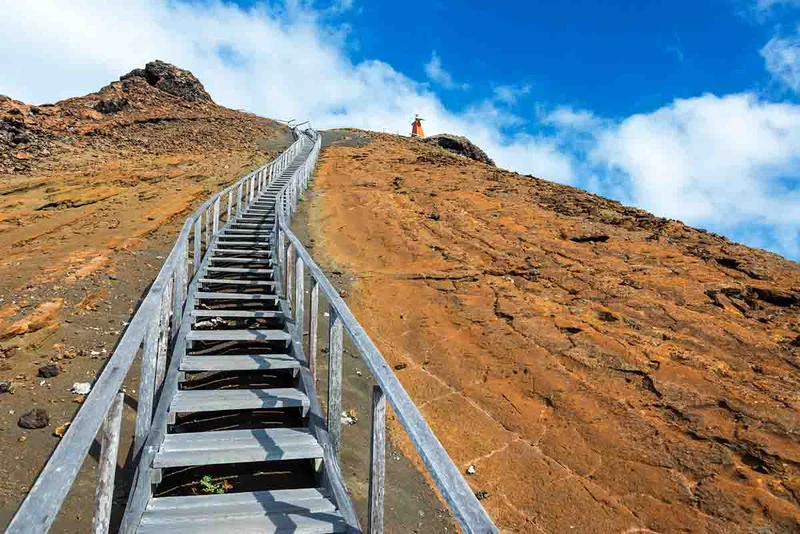
- Day 1 : Arrival at Baltra Airport
- Day 2 : Santa Cruz Island: Carrion Point & Bartolome Island: Pinnacle Rock
- Day 3 : Wolf Island
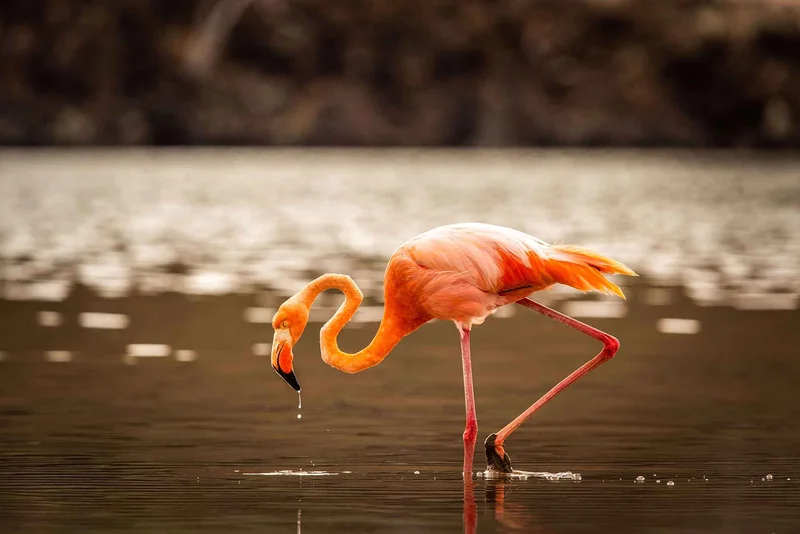
- Day 1 : Santa Cruz Island : Highlands & Charles Darwin Station
- Day 2 : North Seymour Island & Mosquera Islet
- Day 3 : Santa Cruz Island: Black Turtle Cove & Dragon Hill
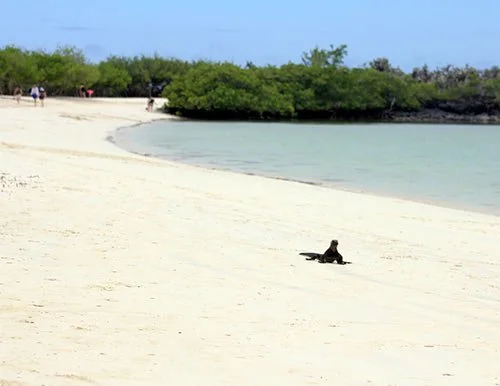
- Day 1 : Baltra Airport & North Seymour Island
- Day 2 : Genovesa Island: Prince Philips Steps & Darwin Bay
- Day 3 : Bartolome Island & Santiago Island: Sullivan Bay
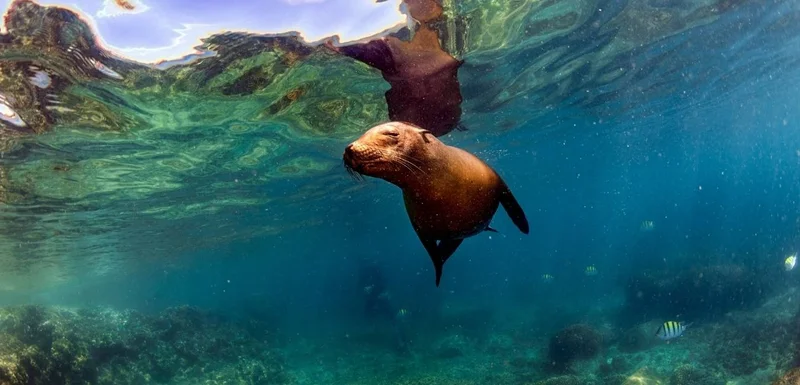
- Day 1 : Baltra Island & Santa Cruz Island: Black Turtle Cove
- Day 2 : Rabida Island & Chinese Hat Islet
- Day 3 : North Seymour Island & Mosquera Islet
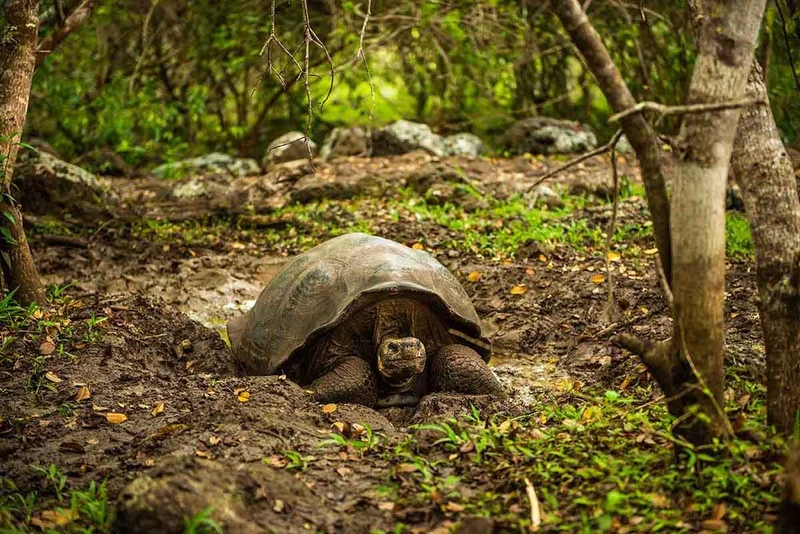
- Day 1 : Baltra Airport: Chinese Hat
- Day 2 : Isabela Island: Vicente Roca Point & Espinosa Point
- Day 3 : Isabela Island: Tagus Cove & Urbina Bay
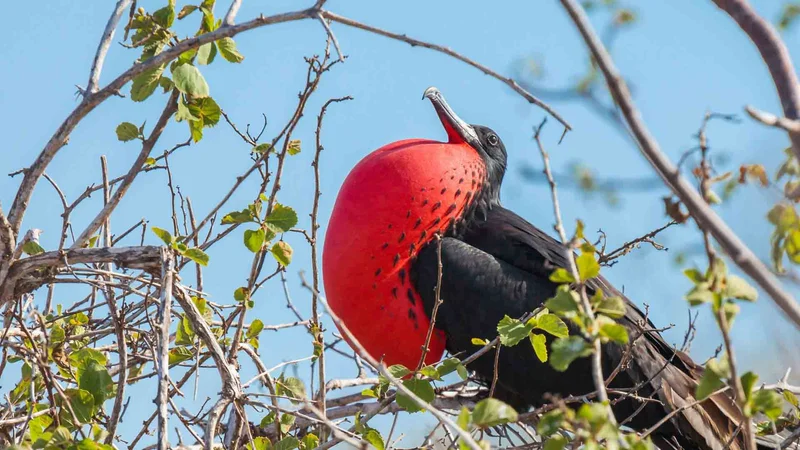
- Day 1 : Arrival to Baltra Island Airport & Santa Cruz: Dragon Hill
- Day 2 : San Cristobal: Kicker Rock, Witch Hill & Lobos Island
- Day 3 : Española Island: Gardner Bay & Suarez Point
- Day 1 : Galapagos Immersion (Baltra and Santa Cruz)
- Day 2 : Mariner's Tales and Marine Life (Floreana Island)
- Day 3 : The Volcanic Heart of Isabela
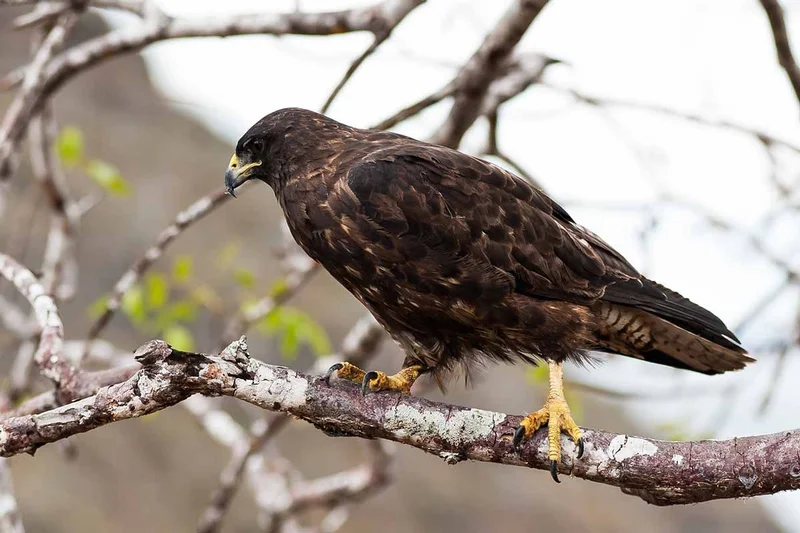
- Day 1 : Baltra Airport : Isla Bartolomé
- Day 2 : Genovesa Island: Darwin Bay & El Barranco
- Day 3 : Santiago Island: Espumilla Beach & Egas Port
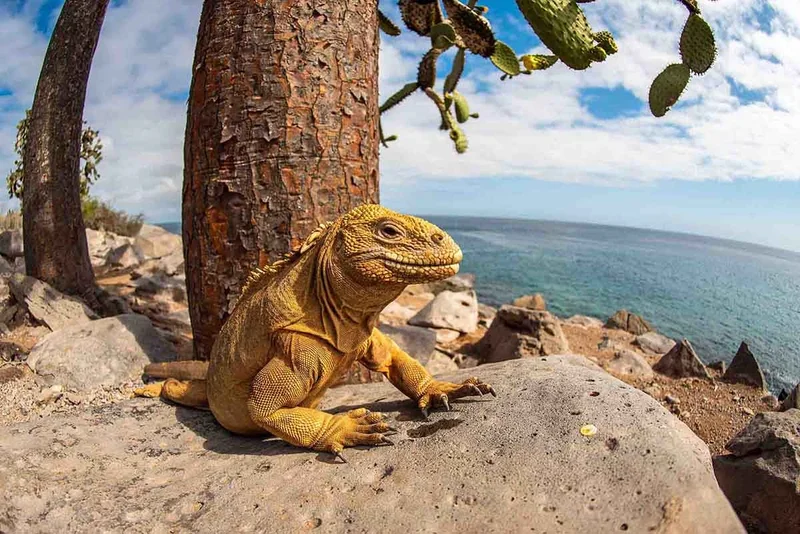
- Day 1 - 2 : Lima
- Day 2 - 3 : Cusco
- Day 3 - 4 : Machu Picchu Pueblo
- Day 1 : Santa Cruz Island: Highlands
- Day 2 : Isabela island: Moreno Point & Elizabeth Bay
- Day 3 : Isabela Island: Urbina Bay & Fernandina Island: Espinoza point
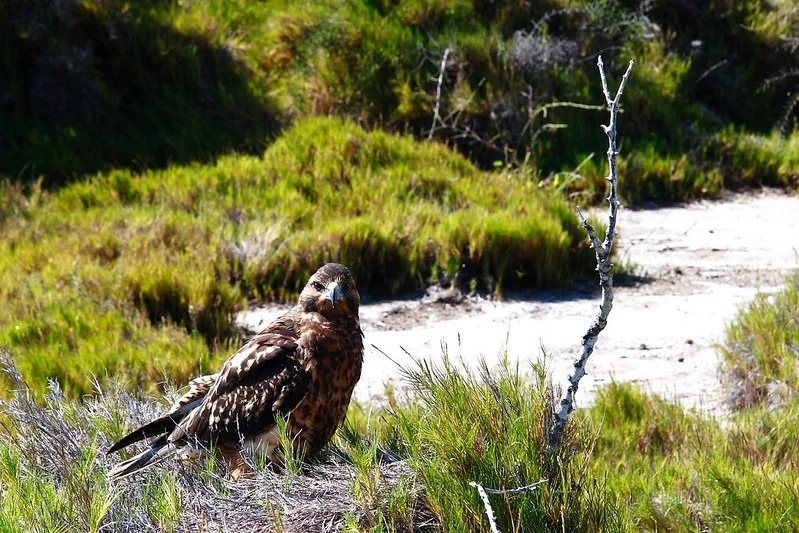
- Day 1 : Santiago Island: Sullivan Bay
- Day 2 : Isabela Island: Vicente Roca Point & Fernandina Island: Espinosa Point
- Day 3 : Isabela Island: Tagus Cove & Urbina Bay
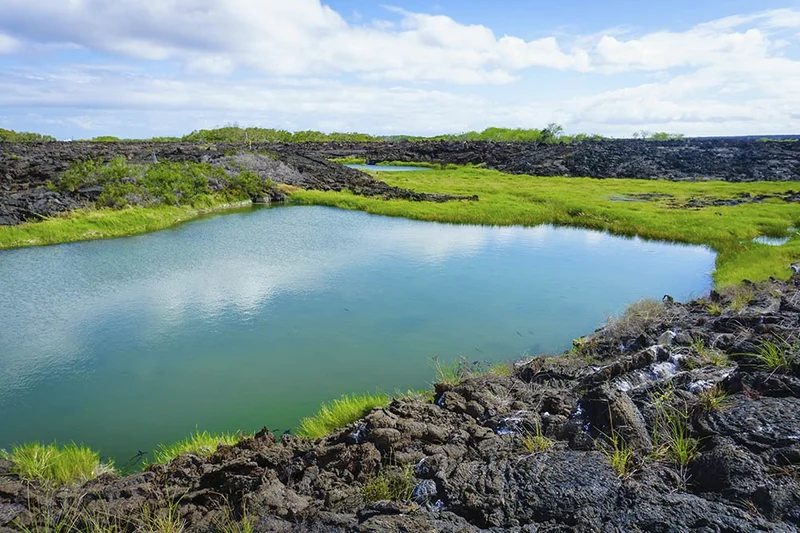
- Day 1 : San Cristobal Airport & Lobos Island
- Day 2 : Santa Cruz Island: Carrion Point & Baltra Island: Seymour Island
- Day 3 : Wolf Island: La Ventana Islet, La Banana & Shark Bay Point, El Derrumbe
- Day 1 : San Cristóbal Island: Airport & Cerro Colorado
- Day 2 : South Plaza Island & Santa Fe Island
- Day 3 : Floreana Island: Champion Islet & Asylum of Peace & San Cristobal Island: Loberia Beach
- Day 1 : Santa Cruz Island: Charles Darwin Station
- Day 2 : Isabela Island: Moreno Point & Urbina Bay
- Day 3 : Fernandina Island: Espinoza Point & Isabela Island: Tagus Cove
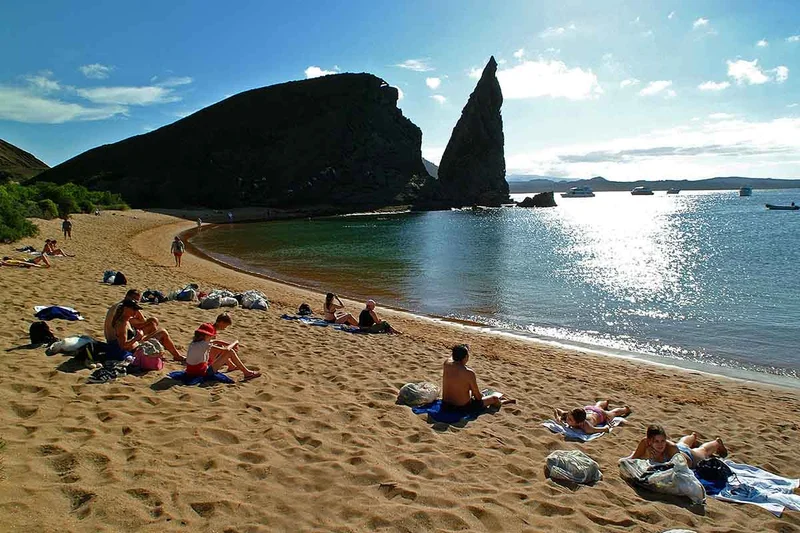
- Day 1 : Santa Cruz Island: Charles Darwin Station
- Day 2 : Santa Cruz Island: Dragon Hill & Bartolome Island
- Day 3 : Rabida Island & Santiago Island: Buccaneers Cove & Espumilla Beach
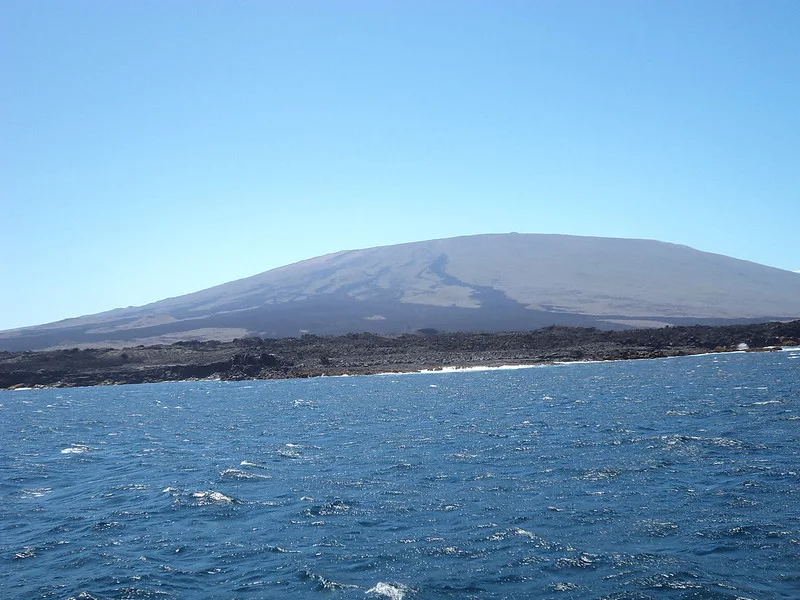
- Day 1 : San Cristobal Airport & Witch Hill
- Day 2 : Bartolome Island: Pinnacle Rock & Santiago Island: Egas Port
- Day 3 : Fernandina Island: Espinosa Point & Isabela Island: Tagus Cove
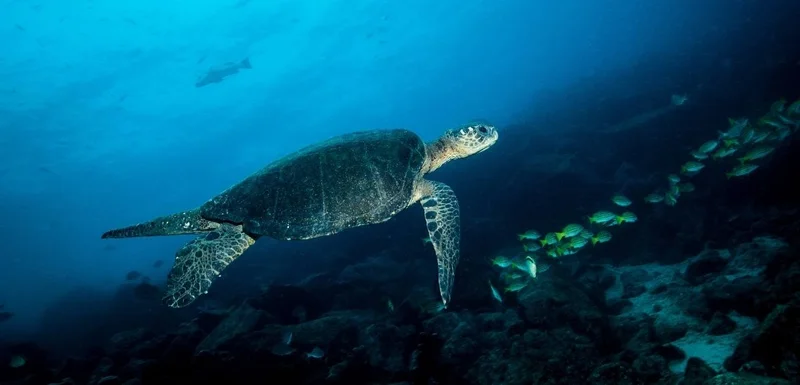
- Day 1 : Baltra Island (Saturday)
- Day 2 : Baltra North & North Seymour
- Day 3 : Wolf Island
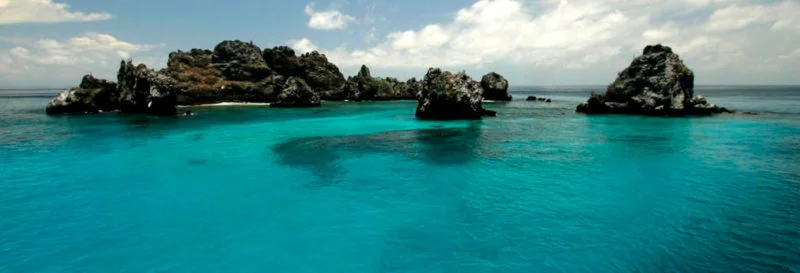
- Day 1 : Baltra Island & Santa Cruz: Dragon Hill
- Day 2 : San Cristobal: Kicker Rock, Witch Hill & Lobos Island
- Day 3 : Española Island: Gardner Bay & Suarez Point
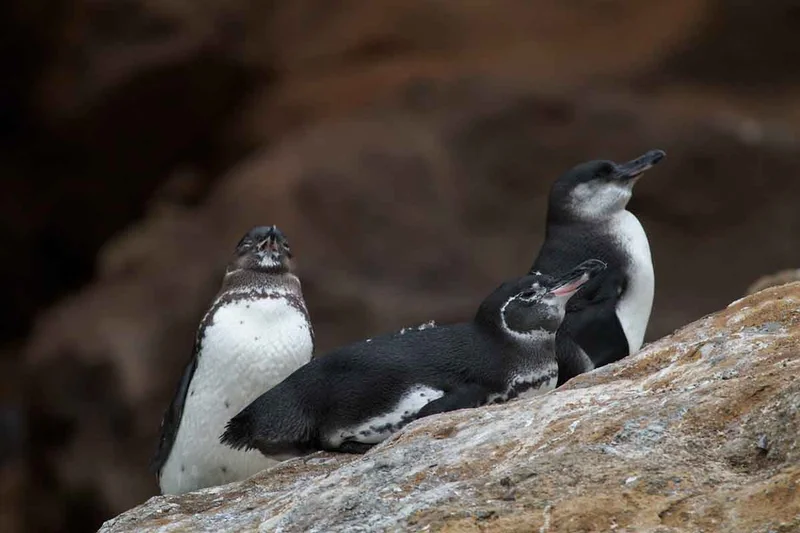
- Day 1 : Quito or Guayaquil, Ecuador
- Day 2 : Quito or Guayaquil / Galápagos Islands
- Day 3, 4, 5, 6, 7 & 8 : Exploring the Galápagos Islands: North Seymour, Bartolome, Santiago, Isabela, Fernandina, Española, Floreana, Santa Cruz, Genovesa or San Cristobal
- Day 1 : Santa Cruz Island: Highlands
- Day 2 : Isabela Island: Puerto Villamil & Sierra Negra Volcano
- Day 3 : Isabela Island: Punta Moreno & Elizabeth Bay
- Day 1 : Quito or Guayaquil, Ecuador
- Day 2 : Guayaquil / Galápagos Islands / Embark Ship
- Day 3, 4, 5, 6, 7 & 8 : Exploring the Galápagos Islands: North Seymour, Bartolome, Santiago, Isabela, Fernandina, Española, Floreana, Santa Cruz, Genovesa or San Cristobal Island
- Day 1 : Baltra Island & North Seymour Island
- Day 2 : Chinese Hat Islet & Bartolomé Island
- Day 3 : Genovesa Island: Darwin Bay & Prince Phillips Steps
- Day 1 : San Cristobal Island: Lobos Islote & Interpretation Center
- Day 2 : Santa Fe Island & Plazas Island
- Day 3 : Santa Cruz Island: Charles Darwin Station & El Chato Reserve
- Day 1 : Arrival to Baltra Island & Santa Cruz Island: Highlands
- Day 2 : Floreana Island: Post Office Bay, Cormorant Point & Devil´s Crown
- Day 3 : Española Island: Suarez Point & Gardner Bay
- Day 1 : Baltra Airport & North Seymour Island
- Day 2 : Floreana Island: Post Office Bay & Cormorant Point
- Day 3 : South Plaza Island & Santa Fe Island
- Day 1 : Baltra Island & Rabida Island
- Day 2 : Santiago Island: Caleta Bucanero, Egas Port & Espumilla
- Day 3 : Fernandina Island: Espinoza Point & Isabela Island: Urbina Bay
- Day 1 : Baltra Airport & Santa Cruz Island: Highlands
- Day 2 : Santa Fe & South Plazas Islands
- Day 3 : North Seymour & Santa Cruz Island: Bachas Beach
- Day 1 : San Cristobal Island
- Day 2 : San Cristobal Island: Punta Pitt, Cerro Brujo & Kicker Rock
- Day 3 : Española Island: Gardner Bay & Suarez Point
- Day 1 : Baltra Airport – Bartolome Islands
- Day 2 : Floreana Island: Devil´s Crown / Cormorant Point - Baroness’ Lookout / Post Office Bay
- Day 3 : Santiago Island: Chinese Hat – North Seymour Island
- Day 1 : Baltra Island | Embarking | Bachas Beach
- Day 2 : Tagus Cove | Urbina Bay
- Day 3 : Espinoza Point | Vicente Roca Point
- Day 1 : Baltra Airport & Santa Cruz Island: Hacienda Primicias
- Day 2 : Isabela Island: Tintoreras, Breeding Center Arnaldo Tupiza, Humedales & Wall of Tears
- Day 3 : Rabida Island & Santa Cruz Island: Cerro Dragon
- Day 1 : San Cristobal Island: Lobos Island
- Day 2 : Española Island: Suarez Point & Gardner Bay
- Day 3 : Floreana Island: Post Office Bay & Cormorant Point
- Day 1 : Baltra Island & Daphne Island: Eden for Animals
- Day 2 : Isabela Island & Fernandina Island: The Archipelago’s Newest Work
- Day 3 : Isabela Island: Yellow Dragons and Underwater Pastures
- Day 1 : San Cristobal Island: Isla Lobos (Sunday)
- Day 2 : Bartolome Island & Santiado Island: Cousin Rock (Monday)
- Day 3 : Wolf Island: Shark Bay (Tuesday)
- Day 1 : Santa Cruz Island: Black Turtle Cove
- Day 2 : Genovesa Island: El Barranco & Darwin Bay
- Day 3 : Santiago Island: Sullivan Bay & Rabida Island
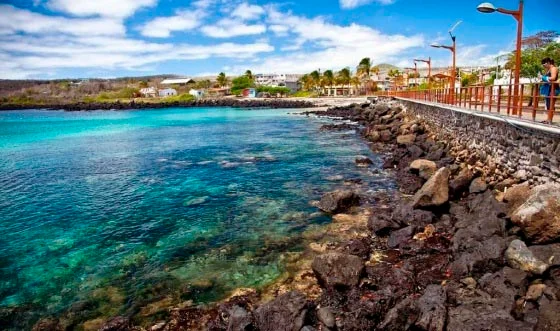
- Day 1 : San Cristobal Island: Lobos Island
- Day 2 : Española Island: Gardner Bay & Suarez Point
- Day 3 : Floreana Island: Post Office Bay, Cormorant Point & Devil's Crown
- Day 1 : Santa Cruz Island: Charles Darwin Research Station & Highlands
- Day 2 : Floreana Island: Post Office Bay & Cormorant Point
- Day 3 : Española Island: Punta Suárez & Gardner Bay
- Day 1 : Baltra Island & Santa Cruz Island: Bachas Beach
- Day 2 : Genovesa Island: Darwin Bay & Prince Philip's Steps
- Day 3 : Plaza Islands & Santa Fe Island
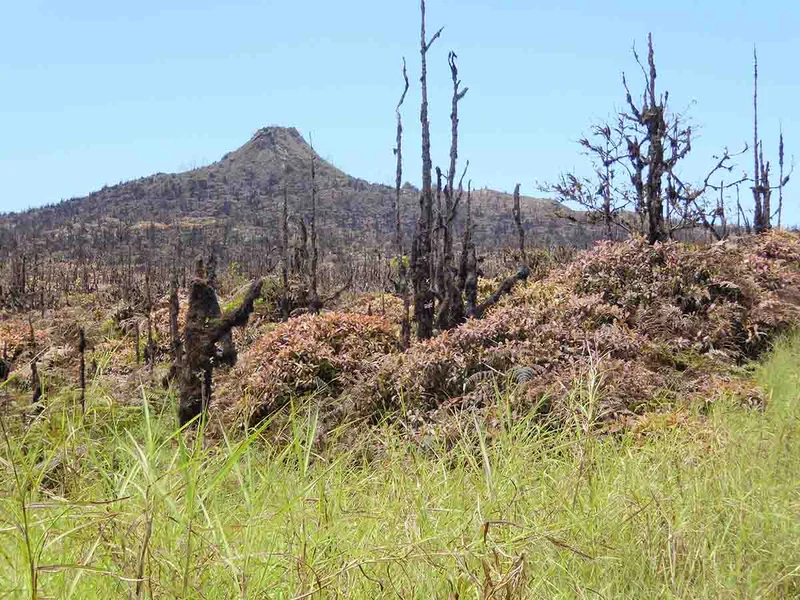
- Day 1 : Baltra Island & Santa Cruz Island: Eden Islet
- Day 2 : Isabela Island: Vicente Roca Point & Fernandina Island: Espinoza Point
- Day 3 : Isabela Island: Urbina Bay & Moreno Point
- Day 1 : Baltra Airport & North Seymour Island
- Day 2 : Santiago Island: Espumilla Beach & Egas Port
- Day 3 : Isabela Island: Tagus Cove & Fernandina Island: Espinoza Point
- Day 1 : Baltra Arrival & Santa Cruz Highlands
- Day 2 : Tintoreras & Isabela's Wetlands
- Day 3 : Moreno Point & Mangle Point
- Day 1 : North Seymour Island
- Day 2 : Santiago Island: Chinese Hat Islet & Bartolome Island: Pinnacle Rock
- Day 3 : Genovesa Island: Darwin Bay & El Barranco
- Day 1 : Baltra Island & North Seymour Island
- Day 2 : Genovesa Islamd: Darwin Bay & El Barranco
- Day 3 : Santiago Island: Egas Port & Buccaneer Cove
- Day 1 : Baltra Island & North Seymour Island
- Day 2 : Isabela Island: Vicente Roca Point & Fernandina Island: Espinoza Point
- Day 3 : Isabela Island: Tagus Cove & Urbina Bay
- Day 1 : Baltra Island & Bartolome island
- Day 2 : Rabida island & Santiago island
- Day 3 : Genovesa island: Darwin Bay & El Barranco
- Day 1 : Santa Cruz Island & Baltra Island & North Seymour Island
- Day 2 : Genovesa Island: Darwin Bay & El Barranco
- Day 3 : Santiago Island: Egas Port & Buccaneer Cove
- Day 1 : Arrival on San Cristobal Island and Exploring Tijeretas Hill
- Day 2 : Experiencing Gardner Bay and Punta Suárez
- Day 3 : Discovering Cormorant Point and Post Office Bay
- Day 1 : San Cristobal Arrival & Lobos Island Exploration
- Day 2 : Española Island: Suarez Point & Gardner Bay
- Day 3 : Floreana Island: Cormorant Point & Post Office Bay
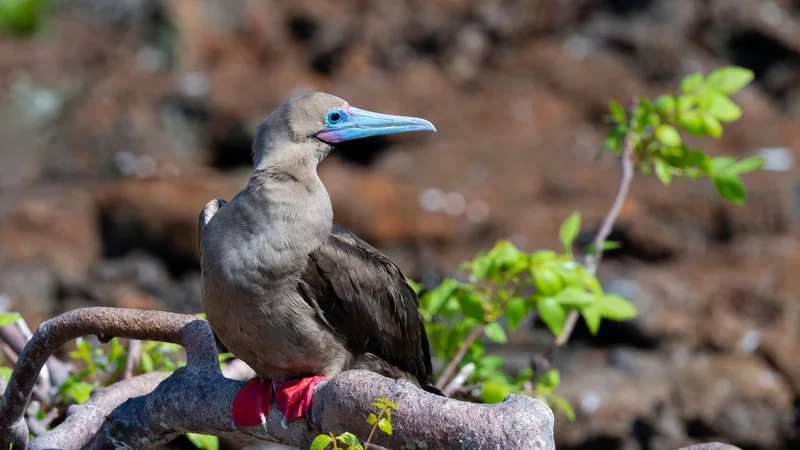
- Day 1 : Santa Cruz Island: Black Turtle Cove
- Day 2 : Rabida Island & Chinese Hat Island
- Day 3 : North Seymour Island & Santa Cruz Island: Highlands
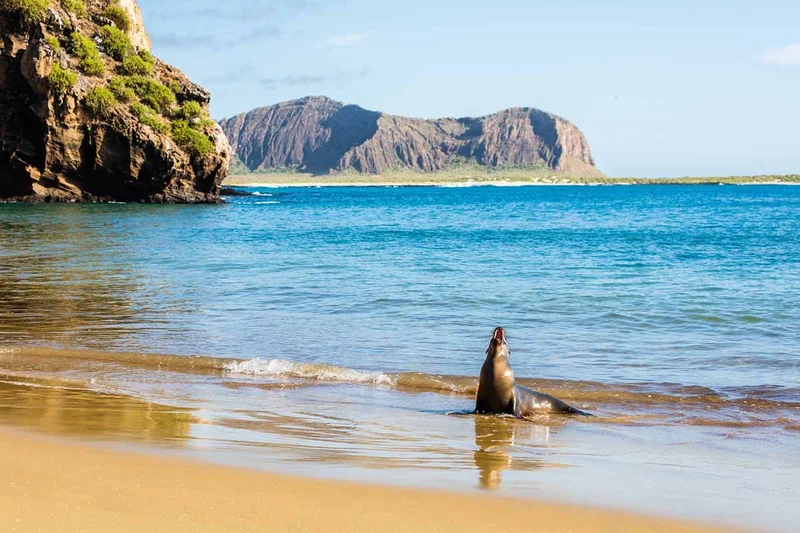
- Day 1 : Baltra Island & Santa Cruz Island: Bachas Beach
- Day 2 : Genovesa Island: Prince Philip's Steps, El Barranco & Darwin Bay
- Day 3 : Santiago Island: Espumilla Beach, Buccaneer Cove & Egas Port
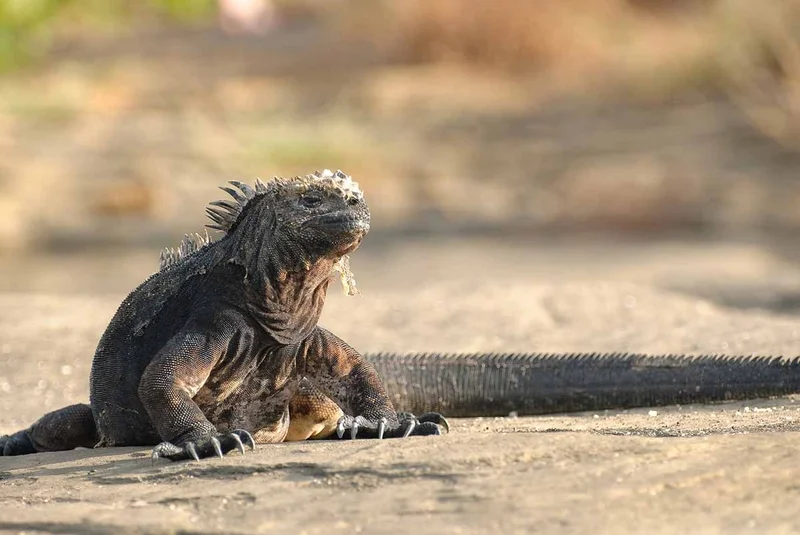
- Day 1 : Baltra Island
- Day 2 : Genovesa Island: El Barranco & Darwin Bay
- Day 3 : Santiago Island: Sullivan Bay & Chinese Hat Islet
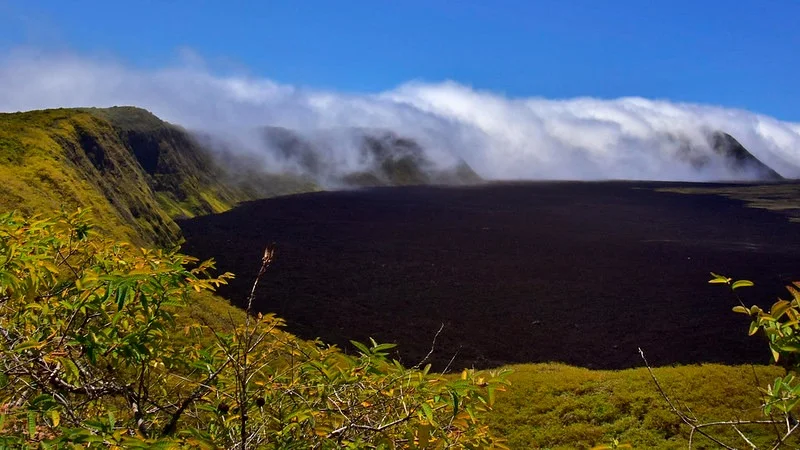
- Day 1 : Santa Cruz Island: Dragon Hill
- Day 2 : Isabela Island: Vicente Roca Point & Fenandina Island: Punta Espinoza
- Day 3 : Santa Cruz Island: Charles Darwin Station & Highlands
- Day 1 : Santa Cruz Island: Baltra Airport Arrival & Bachas Beach
- Day 2 : Genovesa Island: El Barranco, Prince Philip’s Steps & Darwin Bay
- Day 3 : South Plaza Island & Santa Fe Island
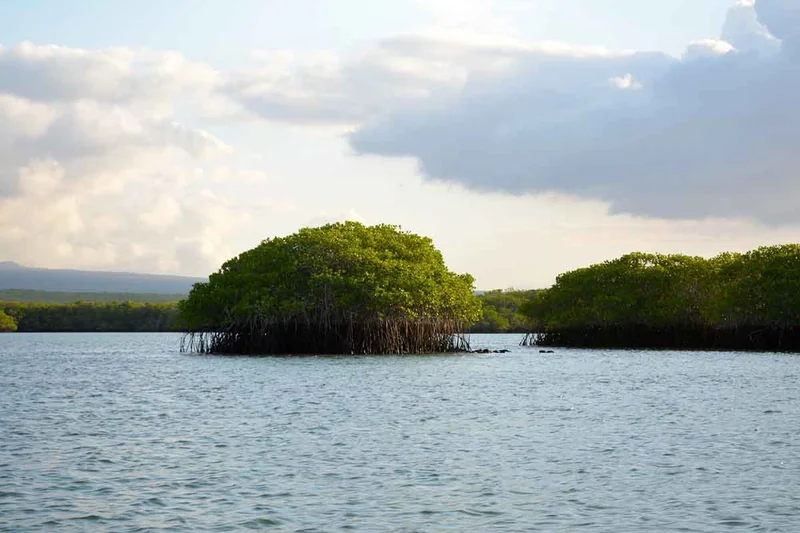
- Day 1 : Santa Cruz Island: Charles Darwin Station
- Day 2 : Mosquera Islet & North Seymour Island
- Day 3 : Santa Fe Island & South Plaza Island
- Day 1 : Baltra Island & Santa Cruz Island: Carrion Point
- Day 2 : Isabela Island: Tintoreras & Giant Tortoise Breeding Center
- Day 3 : Floreana Island: Cormorant Point, Devil's Crown & Post Office Bay
- Day 1 : Arrival & Chinese Hat Islet
- Day 2 : Isabela Island: Vicente Roca Point & Fernandina Island: Espinosa Point
- Day 3 : Isabela Island: Tagus Cove & Urbina Bay
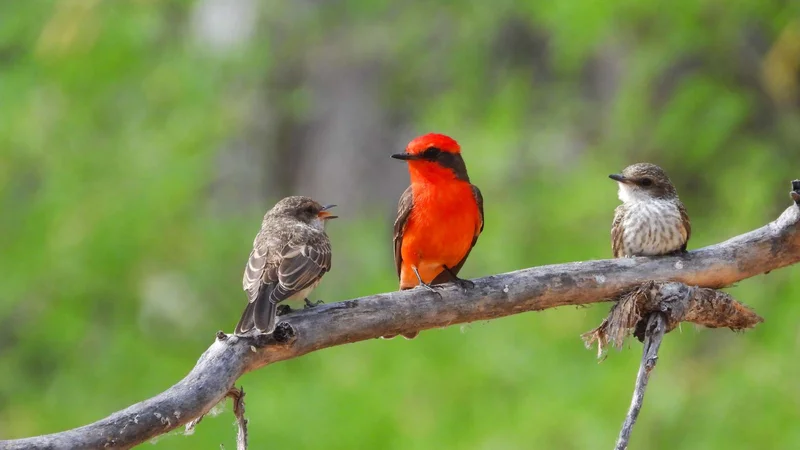
- Day 1 : Santa Cruz Island: Arrival
- Day 2 : Chinese Hat & Rabida Island
- Day 3 : Santiago Island
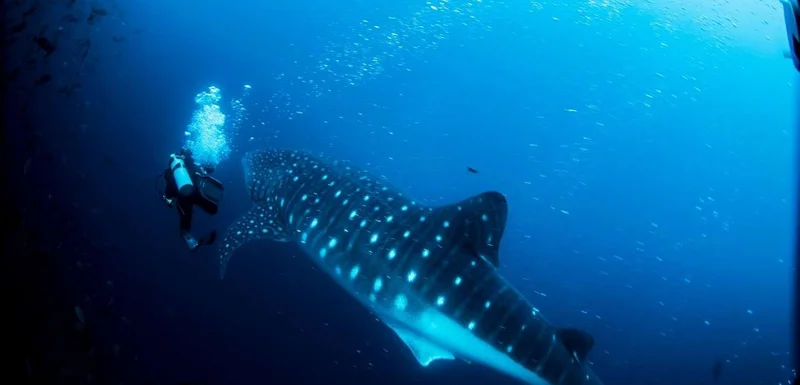
- Day 1 : Baltra Island & Mosquera Island
- Day 2 : San Cristobal Island: Cerro Colorado & Pitt Point
- Day 3 : Santa Fe Island & South Plaza Island
- Day 1 : San Cristobal Island: El Junco Lagoon
- Day 2 : Floreana Island: Post Office Bay, Cormorant Point & Devil’s Crown
- Day 3 : Española Island: Suarez Point & Gardner Bay
- Day 1 : Santa Cruz Islands: Highlands
- Day 2 : Española Island: Suarez Point, Gardner Bay, Gardner Islet & Osborn Islet
- Day 3 : Santa Fe Island & South Plaza Island
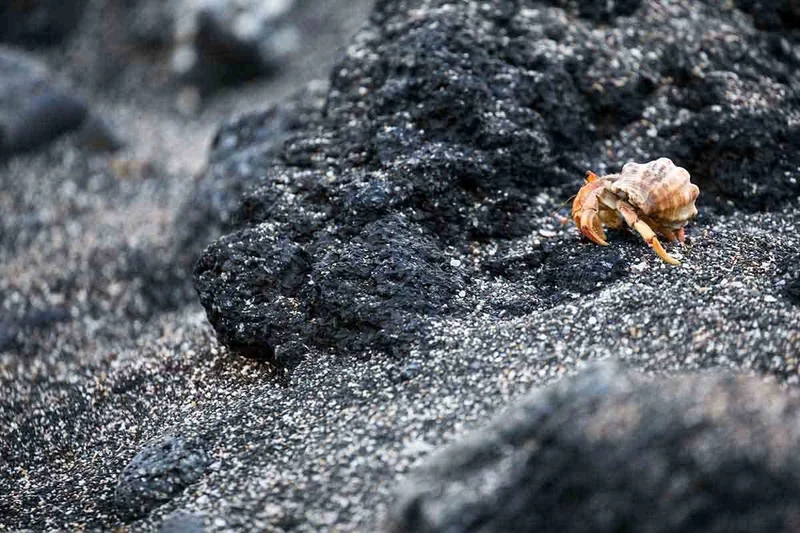
- Day 1 : Baltra Island | Embarking | Bachas Beach
- Day 2 : Tagus Cove | Urbina Bay
- Day 3 : Espinoza Point | Vicente Roca Point
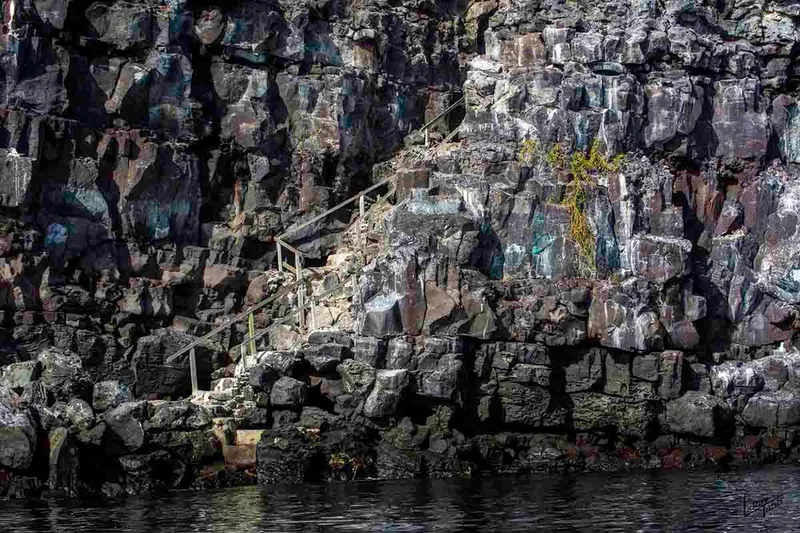
- Day 1 : Santa Cruz Island: Baltra Airport & Bachas Beach
- Day 2 : Genovesa Island: Prince Philip’s Steps & Darwin Bay
- Day 3 : South Plaza Island & Santa Fe Island
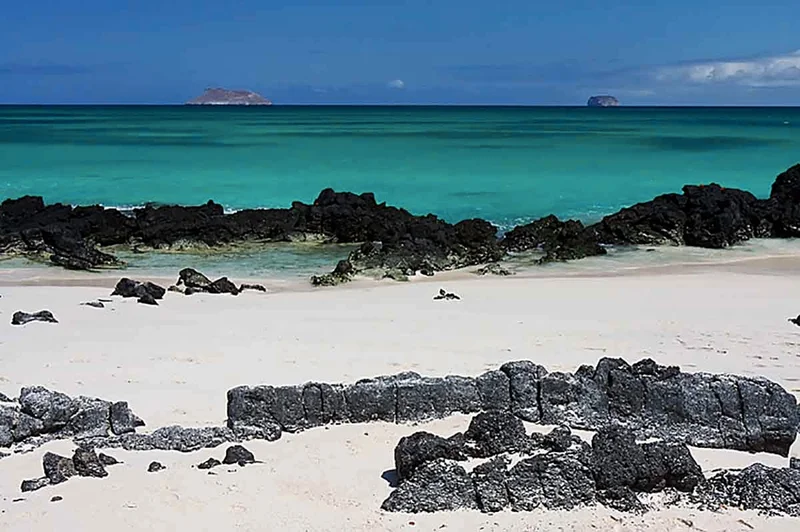
- Day 1 : Baltra Airport: Lobos Islands & Kicker Rocks
- Day 2 : San Cristobal Island: Pitt Point & Witch Hill
- Day 3 : Floreana Island: Post Office Bay & Cormorant Point/ Devil's Crown
- Day 1 : San Cristobal Airport : Lobos Islands & Kicker Rock
- Day 2 : San Cristobal Island: Pitt Point & Witch Hill
- Day 3 : Floreana Island: Post Office Bay & Cormorant Point
- Day 1 : San Cristobal Island: David Rodriguez Breeding Center
- Day 2 : Española Island: Gardner Bay & Suarez Point
- Day 3 : Floreana Island: Cormorant Point, Devil’s Crown, Post Office Bay & Baroness Lookout
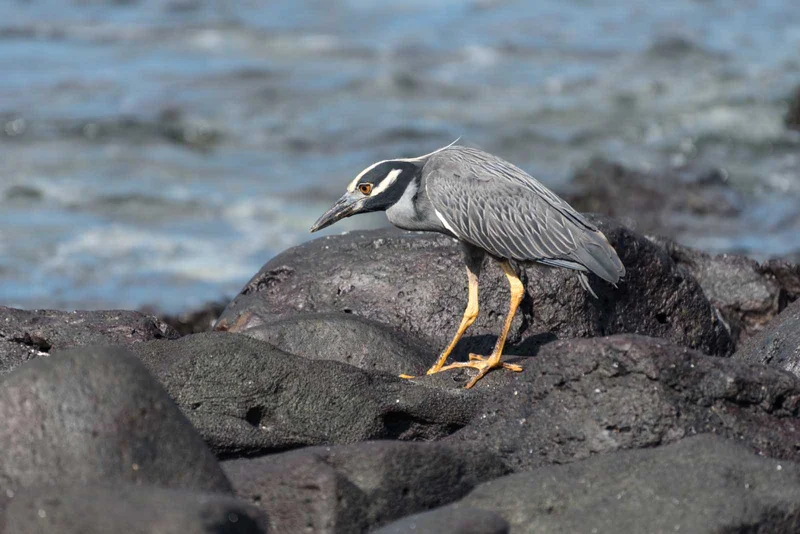
- Day 1 : San Cristobal Island: Pto. Baquerizo Moreno
- Day 2 : Española Island: Gardner Bay & Punta Suarez
- Day 3 : Floreana Island: Punta Cormorant & Post Office Bay
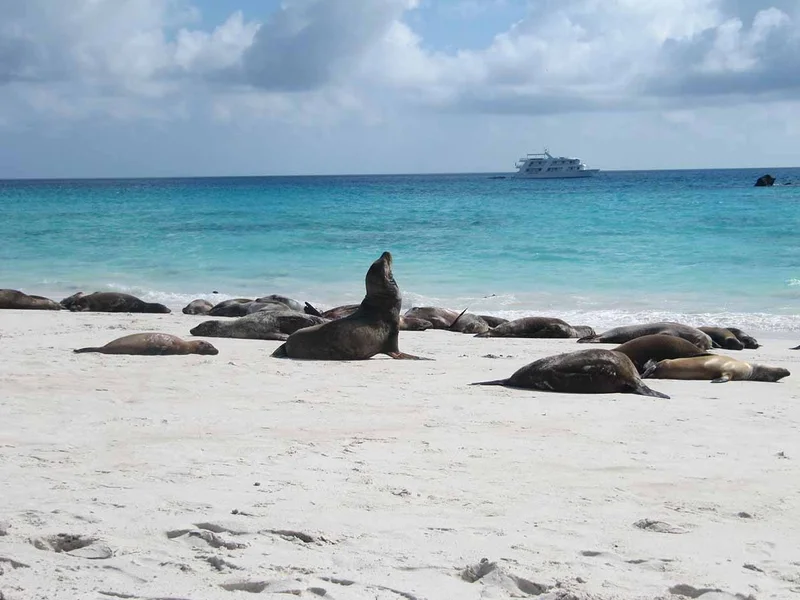
- Day 1 : Santa Cruz Island & Baltra Island: Highlands
- Day 2 : Floreana Island: Cormorant Point, Devil's crown & Post office bay
- Day 3 : Española Island: Suarez Point & Gardner Bay
- Day 1 : Bartolome Island
- Day 2 : Genovesa Island: Darwin Bay & Prince Philip's Steps
- Day 3 : Plazas Islands & Santa Fe Island
- Day 1 : Santa Cruz Island: Charles Darwin Station
- Day 2 : Genovesa Island: El Barranco & Darwin Bay
- Day 3 : Rabida Island & Chinese Hat Islet
- Day 1 : Arrival in Puerto Ayora and Check Dive Expedition
- Day 2 : Baltra Island & Marchena Island: Punta Carrión Exploration
- Day 3 : Wolf Island: La Ventana Islet & La Banana Discovery
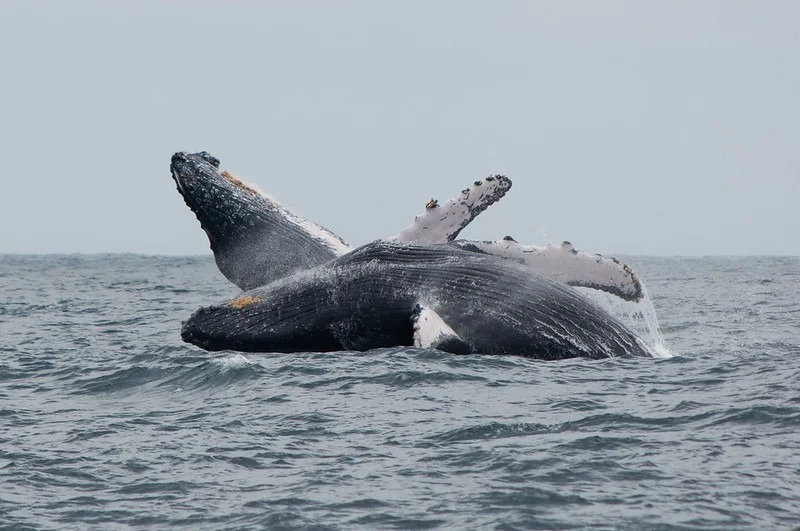
- Day 1 : Santa Cruz Island: Highlands
- Day 2 : South Plaza Island & Santa Fe Island
- Day 3 : Española Island: Gardner Bay & Suarez Point
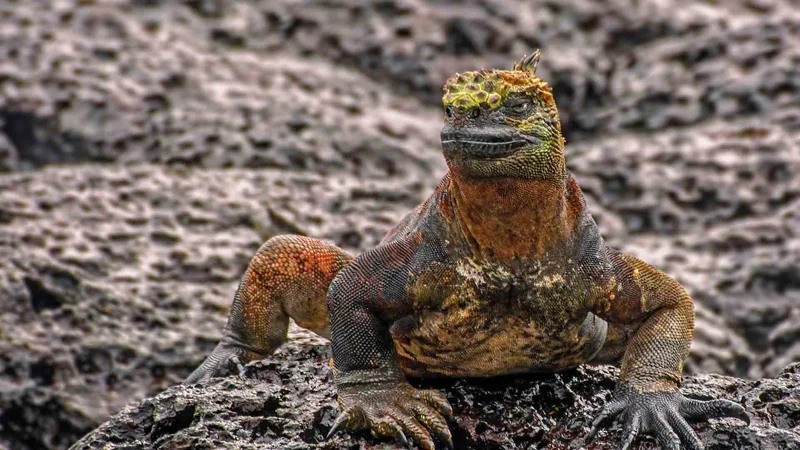
- Day 1 : Baltra Airport & Santa Cruz Island: Fausto Llerena Breeding Center
- Day 2 : Floreana Island: Cormorant Point & Post Office Bay
- Day 3 : Floreana Island: Black Beach & Asilo de La Paz
- Day 1 : Baltra Island & Santa Cruz Island: Highlands
- Day 2 : Chinese Hat Islet: Eden Islet & Chinese Hat
- Day 3 : Bartolome Island & Santiago Island: Sullivan Bay
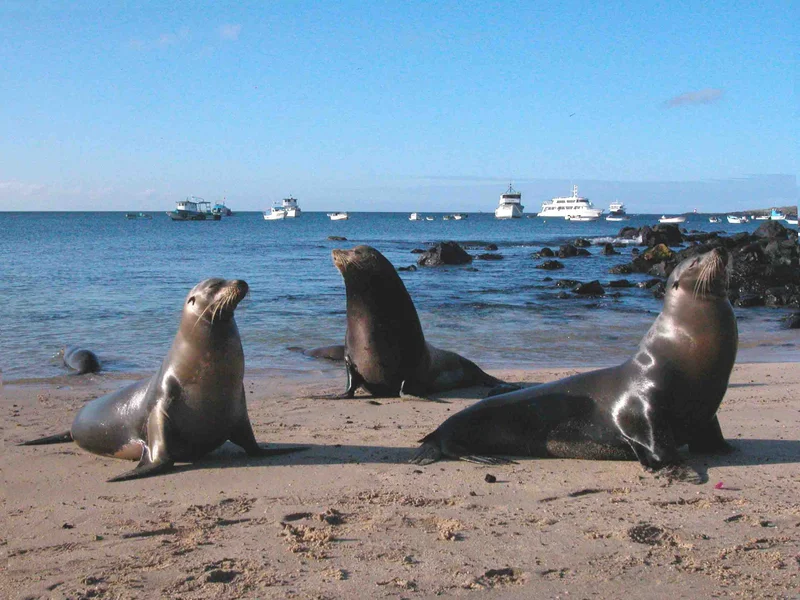
- Day 1 : Baltra Airport & North Seymour Island
- Day 2 : South Plazas Island & Santa Fe Island
- Day 3 : San Cristobal Island: Interpretation Center & Lobos island
- Day 1 : Quito or Guayaquil, Ecuador
- Day 2 : Quito or Guayaquil / Galápagos Islands / Embark Ship
- Day 3, 4, 5, 6, 7 & 8 : Exploring the Galápagos Islands: North Seymour, Bartolome, Santiago, Isabela, Fernandina, Española, Floreana, Santa Cruz, Genovesa or San Cristobal Island
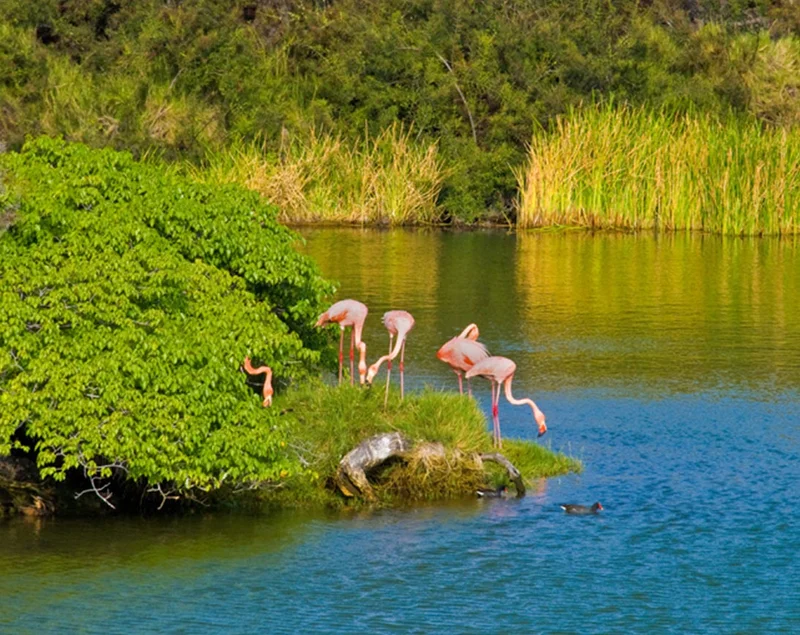
- Day 1 : San Cristobal Island: Cerro brujo, Galapaguera & El Junco
- Day 2 : Española Island: Gardner Bay & Punta Suarez
- Day 3 : Floreana Island: Punta Cormorant & Post Office Bay
- Day 1 : Baltra Island: Eden for Animals
- Day 2 : Isabela Island & Fernandina Island: The Archipelago’s Newest Work
- Day 3 : Isabela Island: Yellow Dragons and Underwater Pastures
- Day 1 : Baltra Airport & Santa Cruz Island: Highlands
- Day 2 : Rabida Island & Santa Cruz Island: Bachas Beach
- Day 3 : Floreana Island: Cormorant Point, Post Office Bay & Champion Islet
- Day 1 : Baltra Island & North Seymour Island
- Day 2 : Santa Cruz Island: Highlands, Rancho Primicias & Charles Darwin Station
- Day 3 : Isabela Island: Moreno Point & Urbina Bay
- Day 1 : Baltra Island
- Day 2 : Santa Cruz Island: Carrion Point & Wolf Island
- Day 3 : Wolf Island: Shark Bay / La Banana & La Ventana Islet / El Derrumbe
- Day 1 : Starting in Baltra, Santa Cruz
- Day 2 : Española Island
- Day 3 : San Cristobal Island
- Day 1 : San Cristobal Island: Kicker Rock
- Day 2 : North Seymour Island & South Plaza Island
- Day 3 : Rabida Island & Bartolome Island
- Day 1 : San Cristobal Island: Puerto Baquerizo Moreno & Cerro Colorado
- Day 2 : Genovesa Island: Prince Philips Steps & Darwin Bay
- Day 3 : Santiago Island: Buccaneer Cove & Puerto Egas
- Day 1 - 2 : Quito
- Day 3 - 5 : Santa Cruz Island, Española Island & San Cristobal Island
- Day 6 - 9 : Santa Fe Island, South Plaza Island, Santiago Island, Bartolome Island, Rabida Island & Sombrero Chino Island
- Day 1 : Baltra Airport & Santa Cruz Island: Bachas Beach
- Day 2 : Genovesa Island
- Day 3 : Bartolome Island: Sullivan Bay
- Day 1 : Santa Cruz Island: Highlands & Charles Darwin Station
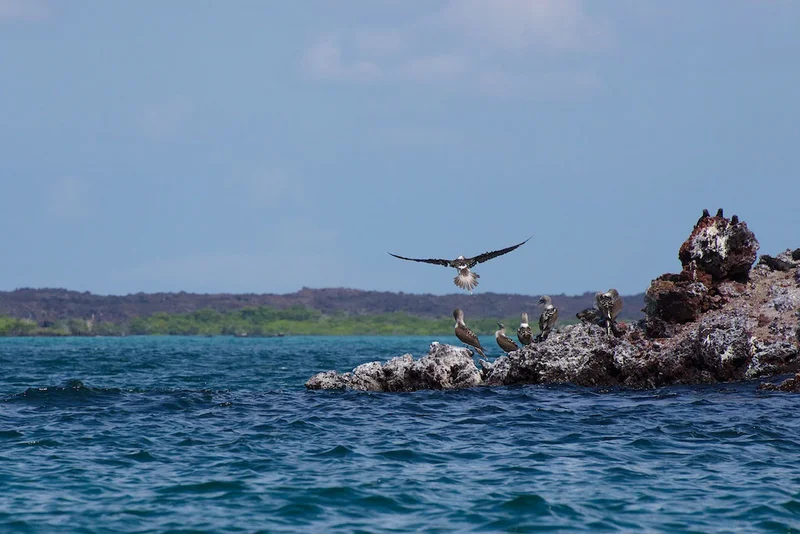
- Day 2 : Isabela Island: Tintoreras & Giant Tortoise Breeding Center
- Day 3 : Floreana Island: Cormorant Point, Devil´s Crown & Post Office Bay
- Day 1 : Santa Cruz Island: El Chato Reserve
- Day 2 : Santa Cruz Island: Dragon Hill & Bachas Beach
- Day 3 : Floreana Island: Post Office Bay & Cormorant Point
- Day 1 : Baltra Island & Santa Cruz Island: Bachas Beach
- Day 2 : Genovesa Island: Darwin Bay & El Barranco
- Day 3 : Rabida Island & Bartolome Island
- Day 1 : San Cristobal Island: Lobos Island & Kicker Rock
- Day 2 : San Cristobal island: Witch Hill & Pitt Point
- Day 3 : Española island: Gardner Bay & Osborn Islet
- Day 1 : Arrival & Santa Fe Island
- Day 2 : Española Island: Gardner Bay & Suarez Point
- Day 3 : San Cristobal Island: Interpretation Center & La Galapaguera
- Day 1 : San Cristobal Island: David Rodriguez Breeding Center
- Day 2 : Española Island: Suarez Point, Gardner Bay & Osborn Islets
- Day 3 : Floreana Island: Cormorant Point, Devil's Crown, Post Office Bay & Baroness Lookout
- Day 1 : San Cristobal Island : Interpretation Center
- Day 2 : Española Island: Gardner Bay, Osborn Islet & Suarez Point
- Day 3 : Floreana Island: Post Office Bay, Cormorant’s Point & Devil’s Crown
- Day 1 : Baltra Island & Santa Cruz Island: Black Turtle Cove
- Day 2 : Genovesa Island: El Barranco & Darwin Bay
- Day 3 : Rabida Island & Santa Cruz Island: Dragon Hill
- Day 1 : Baltra Island & Santa Cruz Island: Charles Darwin Station
- Day 2 : Santa Fe Island & South Plaza Island
- Day 3 : Chinese Hat Islet & Santiago Island: Sullivan Bay
- Day 1 : U.S. / Guayaquil, Ecuador
- Day 2 : Guayaquil - Baltra Airport
- Day 3 & 6 : North Seymour, Santa Cruz, Isabela, Fernandina, San Cristobal, Española & Floreana
- Day 1 : Arrival at Baltra & North Seymour Island
- Day 2 : Santa Fe Island & South Plaza Island
- Day 3 : Genovesa Island: Barranco & Darwin Bay
- Day 1 : Baltra Airport & Mosquera Islet
- Day 2 : Santiago Island: Sullivan Bay & Rabida Island
- Day 3 : Fernandina Island: Espinoza Point & Elizabeth Bay
- Day 1 : Baltra Airport & Santa Cruz Island & Bartolome Island
- Day 2 : South Plaza Island & North Seymour Island
- Day 3 : San Cristobal Island: Pitt Point & Witch Hill
- Day 1 : Baltra Island & Santa Cruz Island: Highlands & Charles Darwin Station
- Day 2 : Sombrero Chino & Rabida Island
- Day 3 : Isabela Island: Sierra Negra & Puerto Villamil
- Day 1 : San Cristobal Island
- Day 2 : San Cristobal Island: Punta Pitt, Cerro Brujo & Kicker Rock
- Day 3 : Española Island: Gardner Bay & Suarez Point
- Day 1 : Baltra Island & North Seymour Island
- Day 2 : Isabela Island: Vicente Roca Point & Fernandina Island: Espinoza Point
- Day 3 : Isabela Island: Tagus Cove & Urbina Bay
- Day 1 : San Cristobal Island & Lobos Island
- Day 2 : Española Island: Gardner Bay & Suarez Point
- Day 3 : Floreana Island: Punta Cormorant & Post Office Bay
- Day 1 : San Cristobal Island: Kicker Rock & Cerro Brujo
- Day 2 : Santa Fe Island & South Plaza Island
- Day 3 : North Seymour Island & Mosquera Islet
- Day 1 : Baltra Island & Santa Cruz Island: Bachas Beach
- Day 2 : Santiago Island: Buccaneer Cove & Egas Port
- Day 3 : Rabida Island & Bartolome Island
- Day 1 : Baltra Island & Santa Cruz Island: Bachas Beach
- Day 2 : Genovesa Island: El Barranco & Darwin Bay
- Day 3 : Bartolome Island & Santiago Island: Sullivan Bay
- Day 1 : Baltra Island & Santa Cruz Island: Highlands & Charles Darwin Station
- Day 2 : Sombrero Chino & Rabida Island
- Day 3 : Isabela Island: Sierra Negra & Puerto Villamil
- Day 1 : Santa Cruz Island: Charles Darwin Station
- Day 2 : Española Island: Punta Suarez & Gardner Bay
- Day 3 : San Cristobal Island: Punta Pitt & Kicker Rock
- Day 1 : Baltra Island & Santa Cruz Island
- Day 2 : Española Island: Gardner Bay & Punta Suárez
- Day 3 : San Cristobal Island: Cerro Dragon & Punta Pitt
- Day 1 : Bartholomew Island
- Day 2 : Isabela Island: Vicente Roca Point & Fernandina Island: Espinosa Point
- Day 3 : Isabela Island: Tagus Cove & Elizabeth Bay
- Day 1 : San Cristobal Island: Interpretation Center & La Galapaguera
- Day 2 : Española Island: Gardner Bay, Gardner Islet & Suarez Point
- Day 3 : Floreana Island: Cormorant Point, Devil’s Crown & Post Office Bay
- Day 1 : San Cristobal Island: Interpretation Center, Cerro Tijeretas & Española Island: Carola Point
- Day 2 : Española Island: Punta Suarez & Gardner Bay
- Day 3 : Floreana Island: Punta Cormorant, Devils Crown & Post Office Bay & Asilo de la Paz
- Day 1 : Baltra Airport & Santa Cruz Island
- Day 2 : Santiago Island: Sullivan Bay & Rabida Island
- Day 3 : Isabela Island: Vicente Roca Point & Fernandina Island: Espinoza Point
- Day 1 : Santa Cruz Island
- Day 2 : Floreana Island: Post Office Bay Visit & Punta Cormorant
- Day 3 : Española Island: Punta Suarez & Gardner Bay
- Day 1 : Santa Cruz Island: Highlands & Charles Darwin Station
- Day 2 : Santa Fe Island & South Plaza Island
- Day 3 : Española Island: Gardner Bay & Suarez Point
- Day 1 : Santa Cruz Island: Puerto Ayora & the Charles Darwin Research Station
- Day 2 : Floreana Island: Post Office Bay & Baroness Lookout
- Day 3 : Española Island: Punta Suarez & Gardner Bay
- Day 1 : Baltra Airport & Santa Cruz Island: Highlands & Charles Darwin Station
- Day 2 : Floreana Island: Cormorant Point, Devils Crown & Asilo de la Paz
- Day 3 : Floreana Island: Post Office Bay
- Day 1 : Baltra Airport & Mosquera Islet
- Day 2 : Santiago Island: Egas Port & Rabida Island
- Day 3 : Isabela Island: Urbina Bay & Tagus Cove
- Day 1 : Baltra Island & Santa Cruz Island: Puerto Ayora & Charles Darwin Research Station
- Day 2 : Floreana Island: Velasco Ibarra Port & Punta Cormorant
- Day 3 : Santiago Island: Punta Suarez & Gardner Bay
- Day 1 : Baltra Island & Santa Cruz Island: Bachas Beach
- Day 2 : South Plaza Island & Santa Fe Island
- Day 3 : San Cristobal Island: Witch Hill, Kicker Rock & Lobos Island
- Day 1 : Santa Cruz Island
- Day 2 : Floreana Island: Punta Cormorant
- Day 3 : Española Island: Punta Suarez & Bahía Gardner
- Day 1 : San Cristobal Island: El Junco Lagoon
- Day 2 : Floreana Island: Post Office Bay, Cormorant Point & Devil’s Crown
- Day 3 : Española Island: Suarez Point & Gardner Bay
- Day 1 : San Cristobal Island: Puerto Chino & Breeding Center
- Day 2 : Española Island: Gardner Bay & Punta Suarez
- Day 3 : Floreana Island: Punta Cormorant, Post Office Bay & Baroness Lookout
- Day 1 : Baltra Airport & Santa Cruz Island: Highlands
- Day 2 : Rabida Island & Santa Cruz Island: Bachas Beach
- Day 3 : Floreana Island: Cormorant Point, Champion Islet & Post Office Bay
- Day 1 : Baltra Island & Mosquera island
- Day 2 : Genovesa Island: Prince Philips Steps & Darwin Bay
- Day 3 : South Plaza Island & Santa Fe Island: Barrington Bay
- Day 1 : San Cristobal Island: El Junco Lagoon
- Day 2 : North Seymour Island & Santa Cruz Island: Dragon Hill
- Day 3 : Isabela Island: Sierra Negra Volcano & Arnaldo Tupiza Breeding Center
- Day 1 : San Cristobal Airport & Junco Lagoon
- Day 2 : San Cristobal Island : Pitt Point & Witch Hill
- Day 3 : Española Island: Suarez Point & Gardner Bay
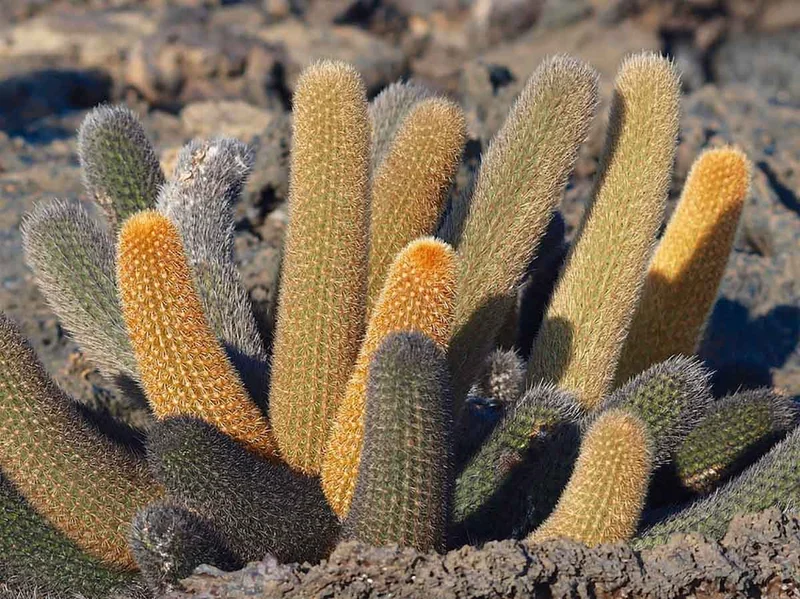
- Day 1 : Embarkation at Santa Cruz Island: Puerto Ayora & Fausto Llerena Breeding Center
- Day 2 : Floreana Island: Punta Cormorant, Post Office Bay & Baroness Lookout
- Day 3 : Isabela Island: Punta Moreno & Urbina Bay
- Day 1 : Baltra Airport & Daphne Major Islet
- Day 2 : Santa Fe Island & South Plaza Island
- Day 3 : Genovesa Island: Prince Phillips Steps & Darwin Bay
- Day 1 : San Cristobal Island: Breeding Center
- Day 2 : Santa Fe Island & Plazas Island
- Day 3 : Santa Cruz Island: Charles Darwin Station & Twin Craters
- Day 1 : San Cristobal Island: Lobos Island
- Day 2 : South Plaza Island & Santa Fe Island
- Day 3 : Santiago Island: Chinese Hat & Santa Cruz Island: Dragon Hill
- Day 1 : Santa Cruz Island & Bartolome Island
- Day 2 : South Plazas Island & North Seymour Island
- Day 3 : San Cristobal Island: Pitt Point & Witch Hill
- Day 1 : Baltra Airport & Santa Cruz Island: Highlands
- Day 2 : Floreana Island: Cormorant Point, Baroness Lookout & Post Office Bay
- Day 3 : Española Island: Gardner Bay & Suarez Point
- Day 1 : San Cristobal Island: Arrival & Lobos Island
- Day 2 : Española Island: Punta Suarez & Gardner Bay
- Day 3 : Floreana Island: Post Office Bay & Cormorant Point
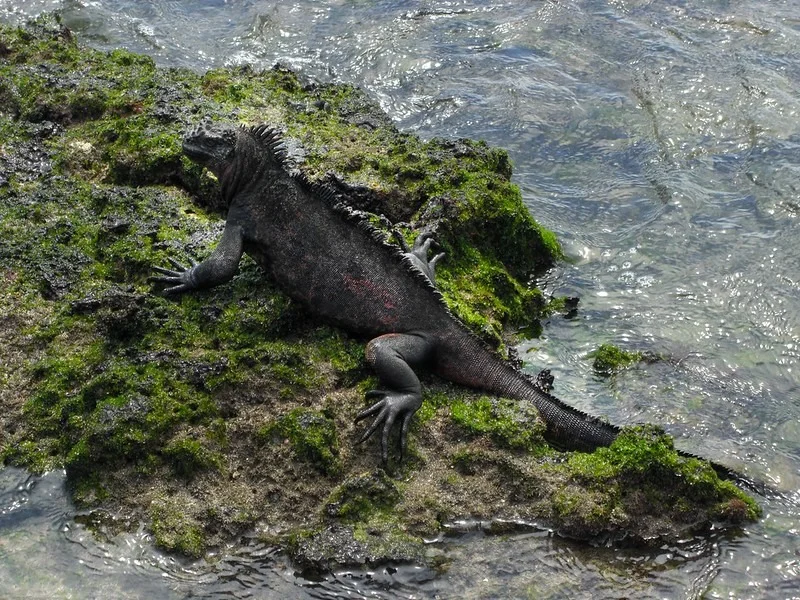
- Day 1 : Baltra Island & Santa Cruz Island: Bachas Beach
- Day 2 : South Plaza Island & Santa Fe Island
- Day 3 : San Cristobal Island: Witch Hill, Kicker Rock & Lobos Island
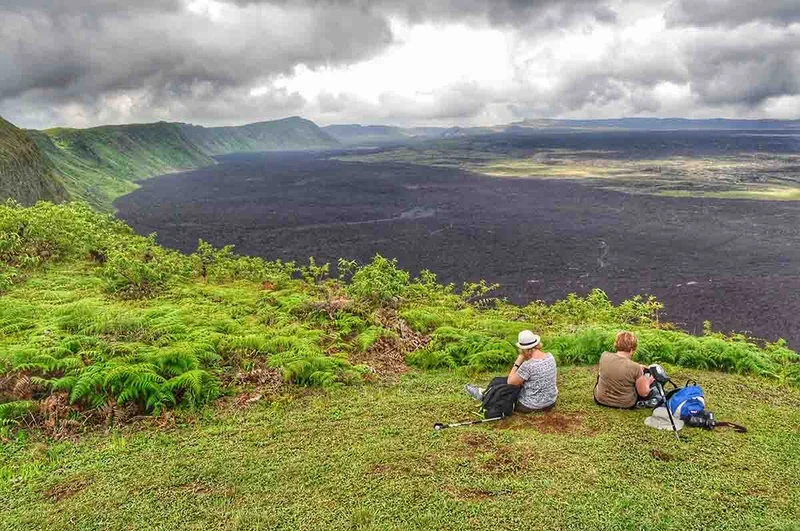
- Day 1 : Santa Cruz Island: Highlands
- Day 2 : Isabela Island: Moreno Point & Elizabeth Bay
- Day 3 : Isabela Island: Urbina Bay & Tagus Cove
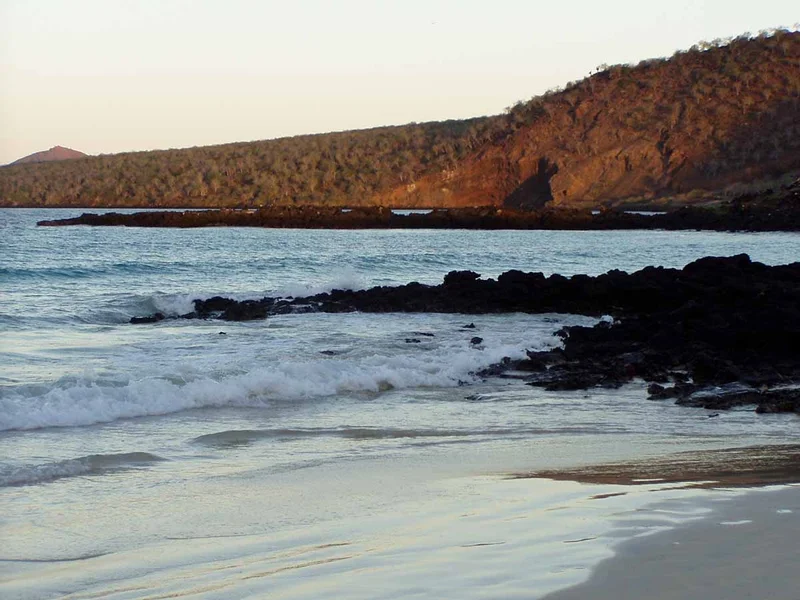
- Day 1 : North Seymour Island: Arrival
- Day 2 : San Cristobal Island
- Day 3 : Española Island
- Day 1 : Baltra Airport to Santa Cruz Island
- Day 2 : Dragon Hill and Chinese Hat
- Day 3 : El Barranco and Darwin Bay on Genovesa Island
- Day 1 : Santa Cruz Island: Charles Darwin Station
- Day 2 : South Plaza Island & Santa Fe Island
- Day 3 : Santiago Island, Bartolome Island & Chinese Hat Islet
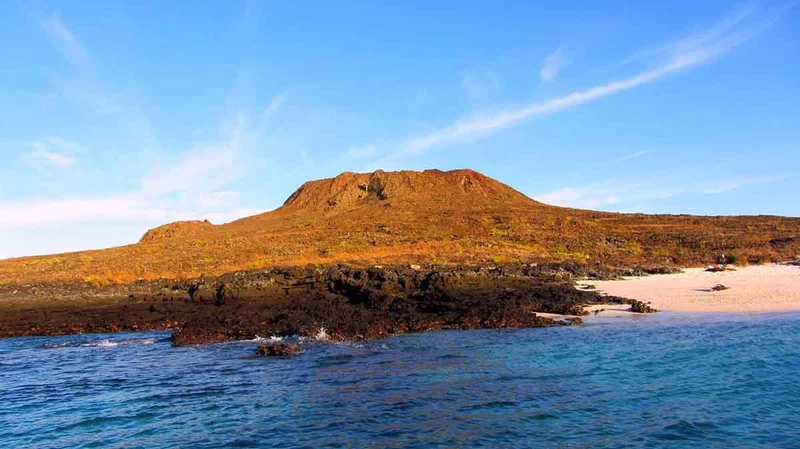
- Day 1 : San Cristobal Island: Interpretation Center
- Day 2 : Bartolome Island & Santiago Island: Sullivan Bay
- Day 3 : Santiago Island: Espumilla Beach & Egas Port
- Day 1 : San Cristobal Island: Lobos Island & Kicker Rock
- Day 2 : San Cristobal Island: Pitt Point & Witch Hill
- Day 3 : Floreana Island: Post Office Bay, Cormorant Point & Devil’s Crown
- Day 1 : North Seymour
- Day 2 : Genovesa Island
- Day 3 : Bartolome Island & Santiago Island: Sullivan Bay
- Day 1 : Santa Cruz Island: Charles Darwin Station
- Day 2 : Floreana Island: Cormorant Point, Champion Islet & Post Office Bay
- Day 3 : Santiago Island: Chinese Hat & Bartolome Island
- Day 1 - 3 : Quito
- Day 4 : North Seymour Island
- Day 5 : Santa Cruz Island
- Day 1 : Baltra Island & North Seymour Island
- Day 2 : Isabela Island & Fernandina Island: Vicente Roca Point & Espinoza Point
- Day 3 : Isabela Island: Urbina Bay & Tagus Cove
- Day 1 : Baltra Island
- Day 2 : South Plaza Islans & Santa Fe Island
- Day 3 : Cormorant Point, Champion Islet & Post Office Bay, Baroness Lookout
- Day 1 : San Cristóbal Island: Arrival & Interpretation Center
- Day 2 : Santa Fe Island & South Plaza Island
- Day 3 : Genovesa Island: Darwin Bay & El Barranco
- Day 1 : San Cristobal Island: Lobos Island
- Day 2 : North Seymour Island & Mosquera Islet
- Day 3 : Santiago Island: Sullivan Bay & Bartolome Island
- Day 1 : Santa Cruz Island: Highlands & Twin Craters
- Day 2 : Isabela Island: Moreno Point & Fernandina Island: Mangle Point
- Day 3 : Isabela Island: Urbina Bay & Tagus Cove
- Day 1 : Baltra Island & Santiago Island: Sullivan Bay
- Day 2 : Isabela Island: Punta Vicente Roca & Fernandina island: Punta Espinoza
- Day 3 : Isabela Island: Tagus Cove & Urbina Bay
- Day 1 : Baltra Airport to Santa Cruz Island
- Day 2 : Rábida Island and Bartolomé Island
- Day 3 : South Plaza Island and Santa Fe Island
- Day 1 : San Cristobal Airport & Leon Dormido
- Day 2 : Genovesa Island: Darwin Bay & Prince Philip’s Steps
- Day 3 : Santa Cruz Island: Bachas Beach & Dragon Hill
- Day 1 : Santa Cruz Island: Highlands
- Day 2 : Española Island: Gardner Islet, Osborn Islet, Gardner Bay & Suarez Point
- Day 3 : Santa Fe Island & South Plaza Island
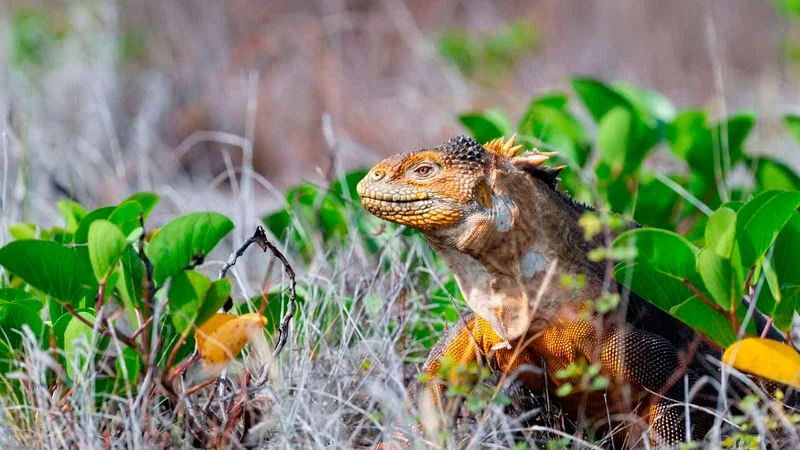
- Day 1 : Baltra Airport & North Seymour Island
- Day 2 : Genovesa Island: Prince Philips Steps & Darwin Bay
- Day 3 : Bartolomé Island & Santiago Island: Sullivan Bay
- Day 1 : Baltra island & North Seymour Island
- Day 2 : Bartolome Island: Pinnacle Rock, Buccaneer's Cove & Espumilla Beach
- Day 3 : Santiago Island: Port Egas & Rabida Island
- Day 1 : San Cristobal Island: Galapaguerra & Cerro Colorado
- Day 2 : Bartolome Island & Santiago Island: Sullivan Bay
- Day 3 : Santiago Island: Espumilla Beach & Egas Port
- Day 1 : Baltra Airport & Santa Cruz Island: Highlands
- Day 2 : Isabela Island: Tintoreras & Arnaldo Tupiza Breeding Center
- Day 3 : Isabela Island: Moreno Point & Elizabeth Bay
- Day 1 : Santa Cruz Island: Highlands
- Day 2 : Floreana Island: Cormorant Point & Post Office Bay
- Day 3 : Española Island: Suarez Point & Gardner Bay
- Day 1 : Baltra Island & Santa Cruz Island: Charles Darwin Station
- Day 2 : Isabela Island: Moreno Point & Elizabeth Bay
- Day 3 : Fernandina Island: Espinoza Point & Isabela Island: Vicente Roca Point
- Day 1 : Baltra Airport to Santa Cruz Island
- Day 2 : Dragon Hill and Chinese Hat
- Day 3 : El Barranco and Darwin Bay on Genovesa Island
- Day 1 : Arrival & San Cristobal Island: Lobos Island & Kicker Rock
- Day 2 : San Cristobal Island: Pitt Point & Witch Hill
- Day 3 : Floreana Island: Cormorant Point, Devil’s Crown & Post Office Bay
- Day 1 : Arrival to Baltra Island & Santa Cruz Island: Highlands
- Day 2 : Floreana Island: Post Office Bay, Cormorant Point & Devil´s Crown
- Day 3 : Española Island: Suarez Point & Gardner Bay
- Day 1 : Baltra Island & Mosquera Islet
- Day 2 : Isabela Island: Vicente Roca Point & Fernandina Island: Espinoza Point
- Day 3 : Isabela Island: Urbina Bay & Tagus Cove
- Day 1 : Transfer to Isabela Island: Puerto Villamil
- Day 2 : Isabela Island: Elizabeth Bay & Pta. Moreno
- Day 3 : Isabela Island: Urbina Bay & Tagus Cove
- Day 1 : San Cristóbal Island: Kicker Rock
- Day 2 : Santa Cruz Island & North Seymour Island
- Day 3 : Santa Cruz Island: Bachas Beach & Cerro Dragon
- Day 1 : Baltra Island & North Seymour Island
- Day 2 : San Cristobal Island: Kicker Rock & Witch Hill
- Day 3 : Española Island: Osborn Islet, Gardner Islet, Gardner Bay & Suarez Point
- Day 1 : Santa Cruz Island - Charles Darwin Station
- Day 2 : Isabela Island - White Tipped Reef Shark Canal & Sierra Negra Volcano
- Day 3 : Isabela Island - Punta Moreno & Elizabeth Bay
- Day 1 : Baltra Island & Santa Cruz Island: Bachas Beach
- Day 2 : Genovesa Island: Prince Philips Steps & Darwin Bay
- Day 3 : Santiago Island: Puerto Egas
- Day 1 : Santa Cruz Island: Black Turtle Cove
- Day 2 : Genovesa Island: El Barranco & Darwin Bay
- Day 3 : Santiago Island: Sullivan Bay & Rabida Island
- Day 1 : Baltra Island & Santa Cruz Island
- Day 2 : Isabela Island: Wetlands, Wall of tears & Giant Tortoise Breeding Centre
- Day 3 : Isabela Island: Moreno Point & Tagus Cove
- Day 1 : Baltra Island & Santa Cruz Island
- Day 2 : Isabela Island: Tintoreras & Moreno Point
- Day 3 : Isabela Island: Elizabeth Bay & Urbina Bay
- Day 1 : Santa Cruz Island: Highlands
- Day 2 : Santiago Island: Sullivan Bay & Bartolome Island
- Day 3 : Genovesa Island: Darwin Bay & El Barranco
- Day 1 : Baltra Island & Santa Cruz Island: Las Bachas Beach
- Day 2 : Isabela Island: Vicente Roca Point & Fernandina Island: Espinoza Point
- Day 3 : Bartolome Island & Santiago Island: Sullivan Bay
- Day 1 : Puerto Ayora , Twins Craters
- Day 2 : Santiago Island: Port Egas & Espumilla Beach
- Day 3 : Bartolome Island & Santiago Island: Sullivan Bay
- Day 1 : Puerto Ayora
- Day 2 : Floreana Island: Punta Cormorant
- Day 3 : Santa Cruz Island: Chinese Hat Island & Cerro Dragon
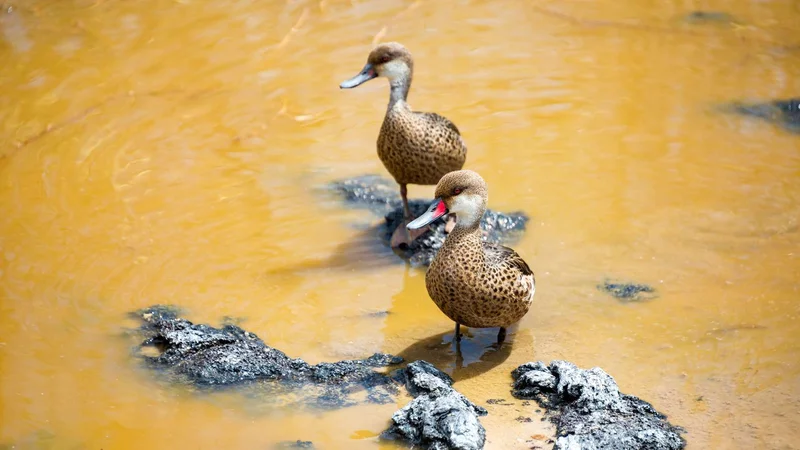
- Day 1 : Baltra Airport & South Plaza Island
- Day 2 : Santa Fe Island & San Cristobal Island: Cerro Colorado
- Day 3 : San Cristobal Island: Pitt Point & Witch Hill
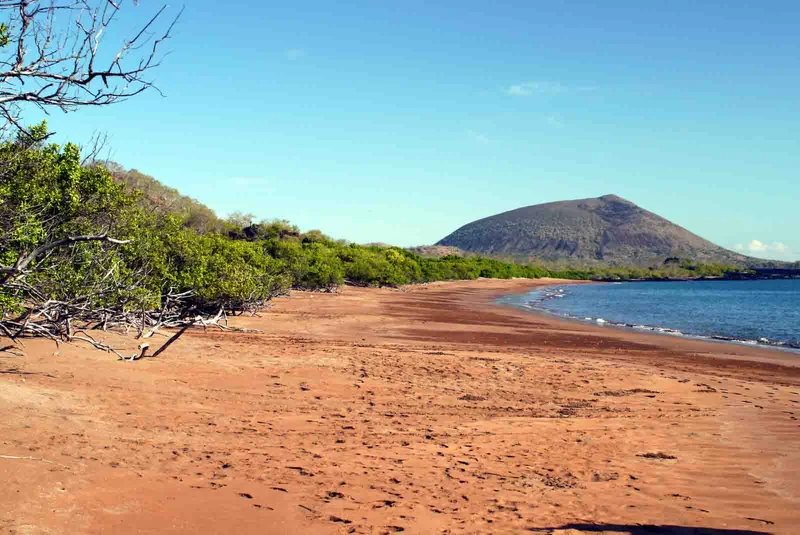
- Day 1 : Baltra airport & Santa Cruz: Highlands
- Day 2 : Isabela: Moreno Point & Elizabeth Bay
- Day 3 : Isabela: Urbina Bay & Tagus Cove
- Day 1 : San Cristobal Island: Airport Arrival, Kicker Rock & Lobos Island
- Day 2 : Española Island: Suarez Point, Gardner Bay & Osborn Islet
- Day 3 : Floreana Island: Baroness Viewpoint, Post Office Bay, Cormorant Point & Champion Islet
- Day 1 : North Seymour Island
- Day 2 : San Cristobal Island: Cerro Brujo & Lobos Island
- Day 3 : Española Island: Gardner Bay & Punta Suarez
- Day 1 : Bartolome Island
- Day 2 : Mosquera Islet & North Seymour Island
- Day 3 : Genovesa Island: El Barranco & Darwin Bay
- Day 1 : Arrival to Baltra Island & Santa Cruz Island: Bachas Beach
- Day 2 : North Seymour Island & Bartolome Island
- Day 3 : Santiago Island: Egas Port, Espumilla Beach & Buccaneer Cove
- Day 1 : Santa Cruz Island: Highlands
- Day 2 : Isabela Island: Tintoreras, Wetlands & Interpretation Center
- Day 3 : Isabela Island: Moreno Point & Elizabeth Bay
- Day 1 : Baltra Island & Santa Cruz: Highlands
- Day 2 : Isabela Island: Tintoreras, Sierra Negra Volcano, Arnaldo Tupiza Breeding Center & Wetlands
- Day 3 : Isabela Island: Moreno Point & Elizabeth Bay
- Day 1 : Santa Cruz Island: Las Bachas Beach
- Day 2 : Rábida Island & Isabela Island: Punta Albemarle
- Day 3 : Isabela Island: Vicente Roca Point & Tagus Cove
- Day 1 : Baltra Island & Santa Cruz Island: Bachas Beach
- Day 2 : Genovesa Island: Darwin Bay & Darwin Bay Beach
- Day 3 : Plazas Island & Santa Fe Island
- Day 1 : Baltra Island & Daphne Major Island
- Day 2 : Genovesa Island: Darwin Bay & El Barranco
- Day 3 : North Seymour Island & Santiago Island: Sullivan Bay
- Day 1 : Baltra Island & Santa Cruz Island: Highlands
- Day 2 : Isabela Island: Tintoreras & Moreno Point
- Day 3 : Isabela Island: Elizabeth Bay & Urbina Bay
- Day 1 : San Cristobal Island: La Galapaguera
- Day 2 : Española Island: Suarez Point & Gardner Bay
- Day 3 : Floreana Island: Cormorant Point, Devil's Crown & Post Office Bay
- Day 1 : Baltra Island & Santa Cruz Island: Dragon Hill
- Day 2 : Isabela Island: Vicente Roca Point & Espinoza Point
- Day 3 : Santa Cruz Island: Charles Darwin Station & Santa Cruz Highlands
- Day 1 : San Cristobal island:Lobos Island & Kicker Rock
- Day 2 : San Cristobal island: Witch Hill & Pitt Point
- Day 3 : Española island: Gardner Bay, Osborn Islet & Gardner Bay
- Day 1 : Santa Cruz Island: Bachas Beach
- Day 2 : Santa Cruz Island: Bachas Beach
- Day 3 : Isabela Island: Vicente Roca Point & Fernandina Island: Espinoza Point
- Day 1 : San Cristobal Island: Tortoise Breeding Center
- Day 2 : North Seymour Island & Santa Cruz Island: Black Turtle Cove
- Day 3 : Bartolome Island & Santiago Island: Egas Port
- Day 1 : San Cristobal Island: Kicker Rock
- Day 2 : North Seymour Island & South Plaza Island
- Day 3 : Rabida Island & Bartolome Island
- Day 1 : Baltra Island & Santa Cruz Island: Bachas Beach
- Day 2 : Genovesa Island: Darwin Bay & Prince Phillips Steps
- Day 3 : South Plaza Island & Santa Fe Island
- Day 1 : Baltra Island & Mosquera Islet
- Day 2 : Genovesa Island: Darwin Bay & Prince Philips Steps
- Day 3 : Marchena Island: Punta Mejia & Playa Negra
- Day 1 : San Cristobal Airport & Galapaguera
- Day 2 : Genovesa Island: Darwin Bay & El Barranco
- Day 3 : Santa Cruz Island: Bachas Beach & Dragon Hill
- Day 1 : Quito or Guayaquil, Ecuador
- Day 2 : Quito or Guayaquil / Galápagos Islands
- Day 3, 4, 5, 6, 7 & 8 : Exploring the Galápagos Islands: North Seymour, Bartolome, Santiago, Isabela, Fernandina, Española, Floreana, Santa Cruz, Genovesa or San Cristobal
- Day 1 : San Cristobal Island: Lobos Island
- Day 2 : North Seymour Island & Mosquera Islet
- Day 3 : Santiago Island: Sullivan Bay & Bartolome Island
- Day 1 : Baltra Island & Santa Cruz Island: Bachas Beach
- Day 2 : Genovesa Island: Darwin Bay & El Barranco
- Day 3 : Bartolome Island & Santiago Island: Sullivan Bay
- Day 1 : North Seymour Island
- Day 2 : Santiago Island: Chinese Hat Islet & Bartolome Island: Pinnacle Rock
- Day 3 : Genovesa Island: Darwin Bay & El Barranco
- Day 1 : Baltra Airport & North Seymour Island
- Day 2 : Santa Cruz Island & Santa Fe Island
- Day 3 : San Cristobal Island: Pitt Point & Baquerizo Moreno Port
- Day 1 : South Plazas Island
- Day 2 : Santa Cruz Island: Black Turtle Cove & Highlands
- Day 3 : Genovesa Island: Darwin Bay & El Barranco
- Day 1 : Baltra Island & Santa Cruz Island: Highlands
- Day 2 : Floreana Island: Punta Cormorant, Devil's Crown & Baroness Lookout
- Day 3 : Española Island: Suarez Point & Gardner Bay
- Day 1 : Baltra Airport & Santa Cruz Island: Highlands
- Day 2 : North Seymour Island & Mosquera Islet
- Day 3 : Santa Cruz Island: Black Turtle Cove & Dragon Hill
- Day 1 : Santa Cruz Island: Twin Craters & Baltra Island
- Day 2 : South Plaza Island & Santa Fe Island
- Day 3 : San Cristobal Island: Interpretation Center & La Galapaguera
- Day 1 : Guayaquil
- Day 2 : Guayaquil - Baltra Airport
- Day 3 & 8 : North Seymour, Isabela, Fernandina, Española, Floreana, Bartolome, Genovesa & San Cristobal
- Day 1 : Arrival at Baltra & North Seymour Wildlife
- Day 2 : Santa Fe Island & South Plaza
- Day 3 : Genovesa Island: Barranco & Darwin Bay
- Day 1 : Baltra Island & Santa Cruz Island
- Day 2 : Floreana Island: Punta Cormorant & Post Office Bay
- Day 3 : Isabela Island: Moreno Point & Elizabeth Bay
- Day 1 : Baltra Island & South Plaza Island
- Day 2 : Santa Fe Island & San Cristobal Island: Cerro Colorado
- Day 3 : San Cristobal: Pitt Point & Witch Hill
- Day 1 : Baltra Airport & North Seymour Island
- Day 2 : San Cristobal Island: Lobos Island, Kicker Rock & Witch Hill
- Day 3 : Española Island: Gardner Bay & Suarez Point
- Day 1 : Baltra Ariport & Santa Cruz Island
- Day 2 : Santiago Island: Sullivan Bay & Rabida Island
- Day 3 : Isabela Island: Vicente Roca Point & Fernandina Island: Espinoza Point
- Day 1 : Baltra Island & Santa Cruz Island: Bachas Beach
- Day 2 : Genovesa Island: Darwin Bay & El Barranco
- Day 3 : Rabida Island & Bartolome Island
- Day 1 : Baltra Airport to Santa Cruz Island
- Day 2 : Rábida Island and Bartolomé Island
- Day 3 : South Plaza Island and Santa Fe Island
- Day 1 : San Cristobal Island: Witch Hill
- Day 2 : Bartolome Island & Chinese Hat Islet
- Day 3 : Fernandina Island: Espinoza Point & Isabela Island: Tagus Cove
- Day 1 : Baltra Airport & Santa Cruz Island: Dragon Hill
- Day 2 : Santiago Island: Buccaneer Cove, Playa Espumilla & Puerto Egas
- Day 3 : Isabela Island & Fernandina Island
- Day 1 : Baltra Airport & Santa Cruz Island: Highlands
- Day 2 : Isabela Island: Giant Tortoise Breeding Centre & Flamingo Lagoon
- Day 3 : Isabela Island: Punta Moreno & Elizabeth Bay
- Day 1 : San Cristobal Island: Lobos Island
- Day 2 : South Plazas Island & Santa Fe Island
- Day 3 : Santiago Island: Chinese Hat & Santa Cruz Island: Dragon Hill
- Day 1 : Santa Cruz Island: Hacienda Primicias & Baltra Island
- Day 2 : Isabela Island: Tintoreras, Breeding Center Arnaldo Tupiza, Humedales & Wall of Tears
- Day 3 : Rabida Island & Santa Cruz Island: Cerro Dragon
- Day 1 : Santa Cruz Island: Bachas Beach
- Day 2 : Bartolome Island & Santiago Island: Sullivan Bay
- Day 3 : South Plazas Island & Santa Fe Island
- Day 1 : Baltra Island & Santa Cruz Island: Bachas Beach
- Day 2 : Genovesa Island: El Barranco & Darwin Bay
- Day 3 : Bartolome Island & Santiago Island: Sullivan Bay
- Day 1 : Baltra Island & Santa Cruz Island: Highlands
- Day 2 : Floreana Island: Champion Islet, Cormorant Point, Baroness Lookout & Post Office Bay
- Day 3 : Española Island: Gardner Bay & Suarez Point
- Day 1 : Baltra Island & North Seymour Island
- Day 2 : Bartolome Island: Pinnacle Rock, Buccaneer's Cove & Espumilla Beach
- Day 3 : Santiago Island: Port Egas & Rabida Island
- Day 1 : Baltra Island & North Seymour Island
- Day 2 : San Cristobal Island: Lobos Island, Kicker Rock & Witch Hill
- Day 3 : Española Island: Gardner Bay & Suarez Point
- Day 1 : San Cristobal Island: Sea Lions 101
- Day 2 : South Plazas Island: Galapagos Microcosms
- Day 3 : Santiago Island: Penguins & Grottos
- Day 1 : Baltra Island & North Seymour Island
- Day 2 : San Cristobal Island: Kicker Rock, Lobos Island & Witch Hill
- Day 3 : Española Island: Osborn Islet, Gardner Islet, Gardner Bay & Suarez Point
- Day 1 : Baltra Island & Santa Cruz Island: Black Turtle Cove
- Day 2 : Genovesa Island: Darwin Bay & El Barranco
- Day 3 : Bartolome Island & Chinese Hat Islet
- Day 1 : Baltra Airport – Baltra
- Day 2 : Baltra North (Equipment Check - 2 Dives)
- Day 3 : Wolf Island (3-4 dives)
- Day 1 : Baltra Airport & Santa Cruz Island: Highlands
- Day 2 : Genovesa Island: El Barranco & Darwin Bay
- Day 3 : Santa Cruz Island: Dragon Hill & Santa Fe Island
- Day 1 : Bartolome Island
- Day 2 : Mosquera Islet & North Seymour Island
- Day 3 : Genovesa Island: El Barranco & Darwin Bay
- Day 1 : Baltra Airport & South Plaza Island
- Day 2 : Post Office Bay, Baroness Viewing Point & Cormorant Point
- Day 3 : Santa Fe Island & Santa Cruz Island: Fausto Llerena Tortoise Breeding Center
- Day 1 : Baltra Island & Santa Cruz Island: Turtle Cove
- Day 2 : Genovesa Island: Darwin Bay & El Barraco
- Day 3 : Bartolome Island & Chinese Hat
- Day 1 : Baltra Island & Santa Cruz Island: Bachas Beach
- Day 2 : Genovesa Island: Prince Phillip´S Steps (El Barranco) & Darwin Bay
- Day 3 : Santiago Island: Sullivan Bay & Santa Cruz Island: Dragon Hill
- Day 1 : San Cristobal Island: Interpretation Center & Tijeretas Hill
- Day 2 : San Cristobal Island: Cerro Brujo & Pitt Point
- Day 3 : Española Island: Suarez Point & Gardner Bay
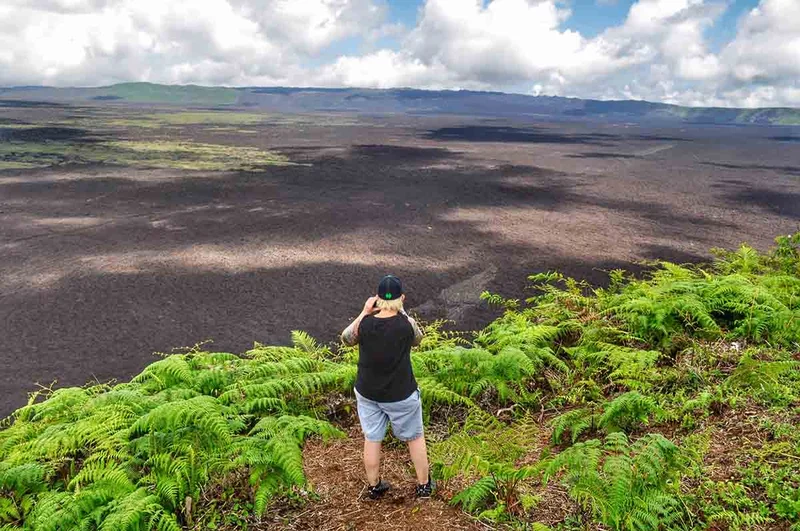
- Day 1 : Baltra Island & Santa Cruz Island: Bachas Beach
- Day 2 : Mosquera Islet & Santa Cruz Island: Cerro Dragon
- Day 3 : Isabela Island: Tagus Cove & Fernandina Island: Punta Espinoza
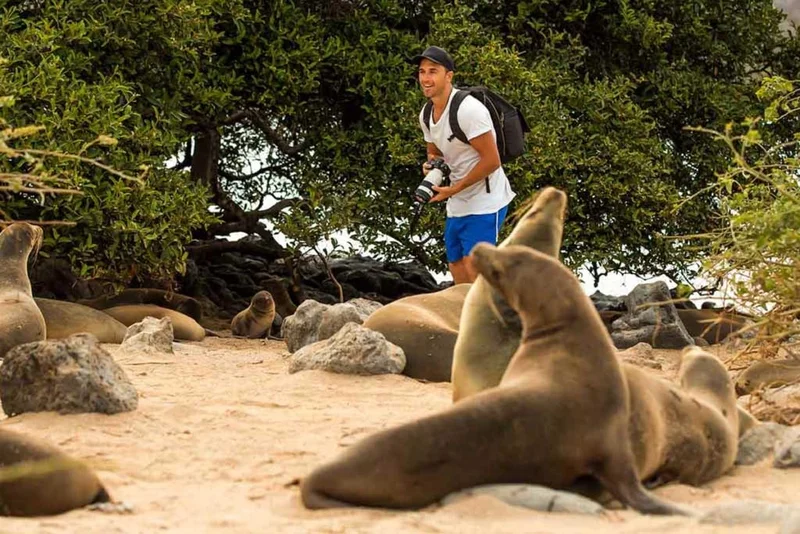
- Day 1 : Baltra Island & Santa Cruz Island: Highlands / Darwin Station
- Day 2 : South Plaza Island & Santa Fe Island
- Day 3 : San Cristobal Island: Cerro Brujo, Galapaguera & El Junco
- Day 1 : Baltra Airport – Santiago Island: Sullivan Bay
- Day 2 : Isabela Island: Sierra Negra volcano & Arnaldo Tupiza Breeding Center
- Day 3 : Isabela Island: Elizabeth Bay – Urbina Bay
- Day 1 : San Cristobal Island: Cerro Tijeretas & Leon Dormido
- Day 2 : San Cristobal Island: Punta Pitt & Cerro Brujo
- Day 3 : Española Island: Punta Suarez & Gardner Bay
- Day 1 : Baltra Island & Santa Cruz Island: Bachas Beach
- Day 2 : Genovesa Island: Darwin Bay & El Barranco (Prince Philip’s Steps)
- Day 3 : Santa Cruz Island:Twin Craters & Santiago Island: Sullivan Bay
- Day 1 : Transfer to Isabela Island: Puerto Villamil
- Day 2 : Isabela Island: Elizabeth Bay & Pta. Moreno
- Day 3 : Isabela Island: Urbina Bay & Tagus Cove
- Day 1 : Baltra Airport & Santa Cruz Island: Black Turtle Cove
- Day 2 : Genovesa Island: Darwin Bay & El Barranco
- Day 3 : Santiago Island: Sullivan Bay & Bartolome Island
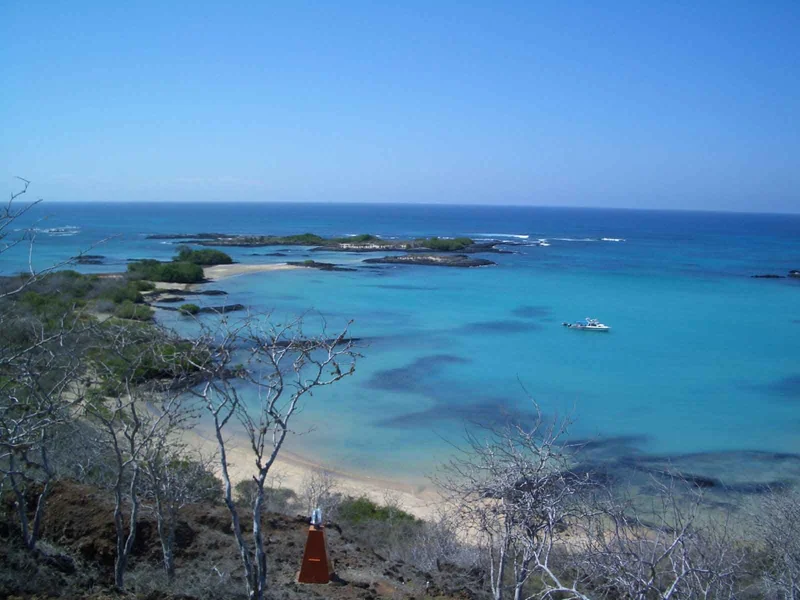
- Day 1 : Baltra Airport – Bartolome Islands
- Day 2 : Floreana Island: Devil´s Crown / Cormorant Point - Baroness’ Lookout / Post Office Bay
- Day 3 : Santiago Island: Chinese Hat – North Seymour Island
- Day 1 : Arrival & Chinese Hat Islet
- Day 2 : Isabela Island: Vicente Roca Point & Fernandina Island: Espinosa Point
- Day 3 : Isabela Island: Tagus Cove & Urbina Bay
- Day 1 : Santa Cruz Island: Baltra Airport & Fausto Llerena Breeding Center
- Day 2 : Isabela Island: Tintoreras, Sierra Negra Volcano & Arnaldo Tupiza Breeding Center
- Day 3 : Isabela Island: Moreno Point & Elizabeth Bay
- Day 1 : Baltra Island & Santa Cruz Island: Bachas Beach
- Day 2 : Genovesa Island: Prince Phillip´S Steps (El Barranco) & Darwin Bay
- Day 3 : Santiago Island: Sullivan Bay & Santa Cruz Island: Dragon Hill
- Day 1 : Baltra Island & Mosquera island
- Day 2 : Genovesa Island: Prince Philips Steps & Darwin Bay
- Day 3 : South Plaza Island & Santa Fe Island: Barrington Bay
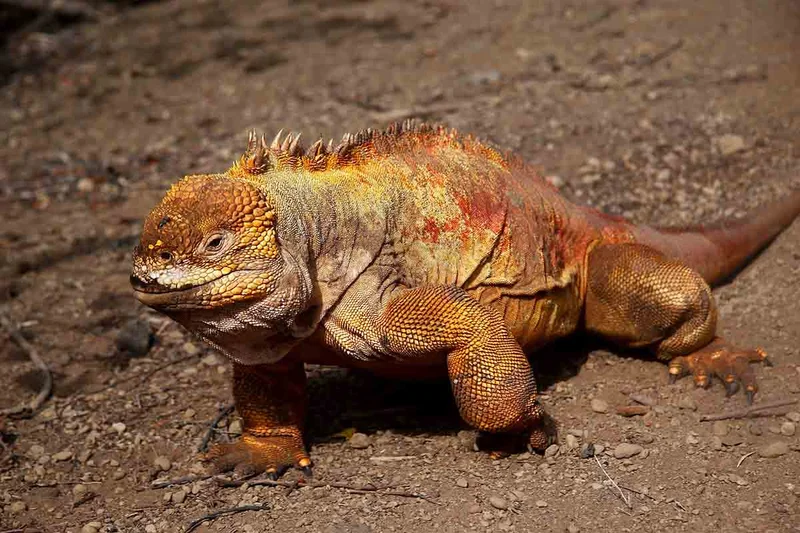
- Day 1 : Baltra Island & Santa Cruz Island: Highlands
- Day 2 : Isabela Island: Tintoreras, Wall of Tears, Galapaguera & Wetlands
- Day 3 : Rabida Island & Santa Cruz Island: Dragon Hill
- Day 1 : Baltra Island & Mosquera Islet
- Day 2 : Santiago Island: Sullivan Bay & Rabida Island
- Day 3 : Fernandina Island: Espinoza Point & Elizabeth Bay
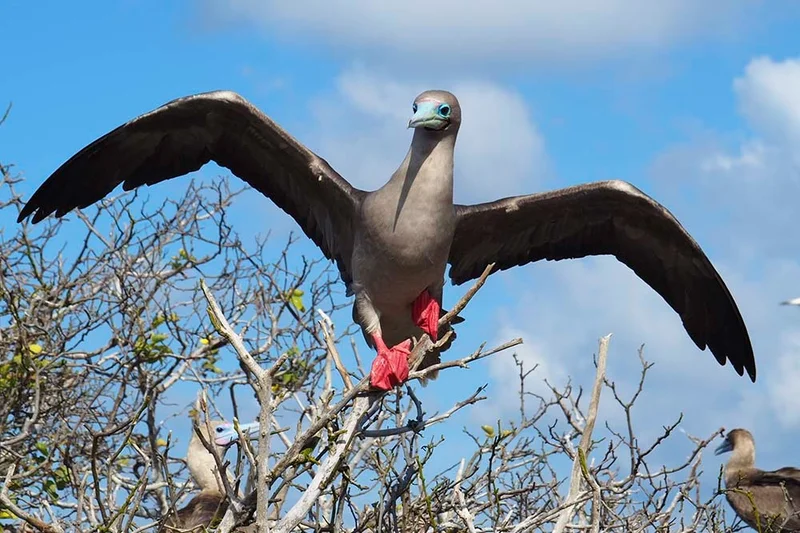
- Day 1 : Arrival at Baltra & Santa Cruz Island's Enchanting Dragon Hill
- Day 2 : Santa Cruz Island's Hidden Gems - Black Turtle Cove & Chinese Hat Islet
- Day 3 : Genovesa Island's Avian Haven - Darwin Bay & El Barranco
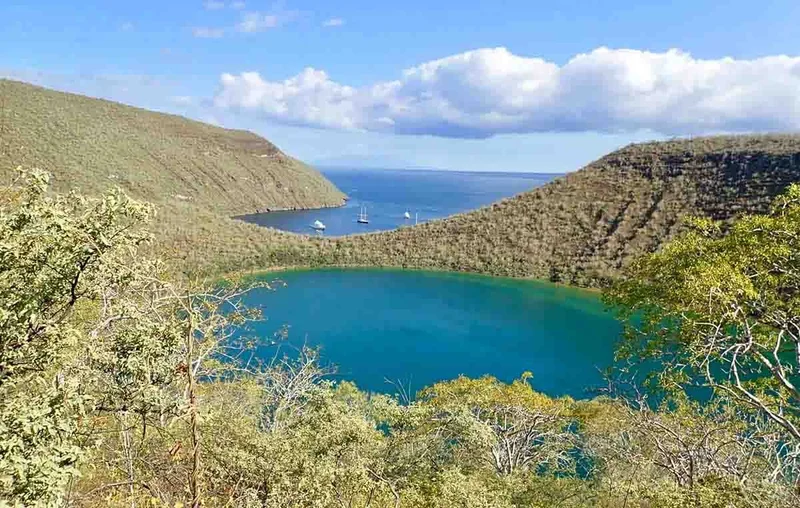
- Day 1 : San Cristobal Island: Lobos Island
- Day 2 : Santa Fe Island & South Plaza Island
- Day 3 : Santa Cruz Island :Charles Darwin Station & Highlands
- Day 1 : Baltra Airport: Santa Fe
- Day 2 : Española Island: Suarez Point & Gardner Bay / Osborn Islet
- Day 3 : San Cristobal Island: Interpretation Center / Galapaguera & Lobos Island / Kicker Rock
- Day 1 : Santa Cruz Island: Twin Craters & Highlands
- Day 2 : Floreana Island: Post Office Bay, Devil's Crown & Cormorant Point
- Day 3 : Santa Fe Island & San Cristobal Island: Lobos Island
- Day 1 : Baltra Island & Santa Cruz Island: Bachas Beach
- Day 2 : Genovesa Island: Darwin Bay & El Barranco
- Day 3 : South Plaza Island & Santa Fe Island
- Day 1 : San Cristobal Island: Interpretation Center
- Day 2 : Española Island: Gardner Bay & Suarez Point
- Day 3 : Floreana Island: Post Office Bay, Punta Cormorant & Champion Islet
- Day 1 : Baltra Airport to Santa Cruz Island
- Day 2 : Rábida Island and Bartolomé Island
- Day 3 : South Plaza Island and Santa Fe Island
- Day 1 : Baltra Airport & Mosquera Islet
- Day 2 : Isabela Island: Vicente Roca Point & Fernandina Island: Espinoza Point
- Day 3 : Isabela Island: Urbina Bay & Tagus Cove
- Day 1 : Baltra Island & Santa Cruz Island: Bachas Beach
- Day 2 : Santiago Island: Sullivan Bay & Bartolome Islands
- Day 3 : Santa Cruz Island: Highlands & Charles Darwin Station
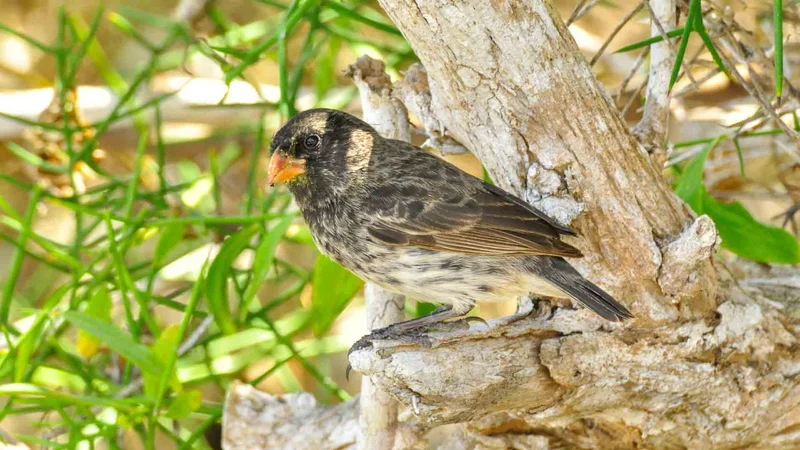
- Day 1 : Baltra Airport & Santa Cruz Island: Highlands
- Day 2 : Isabela Island: Vicente Roca Point & Espinoza Point
- Day 3 : Isabela Island: Urbina Bay & Tagus Cove
- Day 1 : Arrival on San Cristobal Island and Exploring Tijeretas Hill
- Day 2 : Experiencing Gardner Bay and Punta Suárez
- Day 3 : Discovering Cormorant Point and Post Office Bay
- Day 1 : Santa Cruz Island
- Day 2 : Floreana Island
- Day 3 : Española Island
- Day 1 : Santa Cruz Island: Bachas Beach
- Day 2 : Bartolome Island & Santiago Island: Sullivan Bay
- Day 3 : South Plazas Island & Santa Fe Island
- Day 1 : Baltra Airport: Chinese Hat
- Day 2 : Isabela Island: Vicente Roca Point & Espinosa Point
- Day 3 : Isabela Island: Tagus Cove & Urbina Bay
- Day 1 : Gianni Arismendy Environmental Interpretation Centre
- Day 2 : San Cristobal Island: Punta Pitt & Lobos Island
- Day 3 : Española Island: Osborn Islet, Gardner Bay & Suarez Point
- Day 1 : Baltra Airport & Santa Cruz Island: Highlands
- Day 2 : Genovesa Island: El Barranco
- Day 3 : Santa Cruz Island: Dragon Hill & Santa Fe Island
Galapagos Day Tours
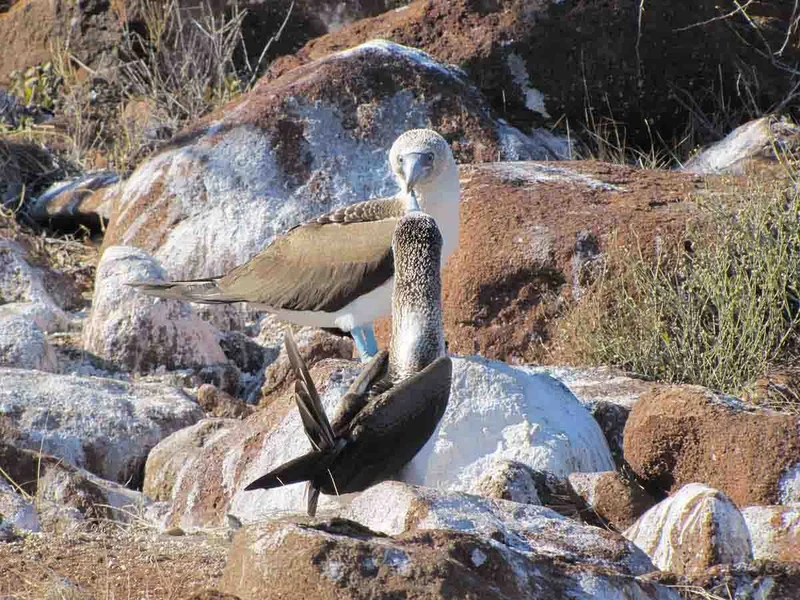
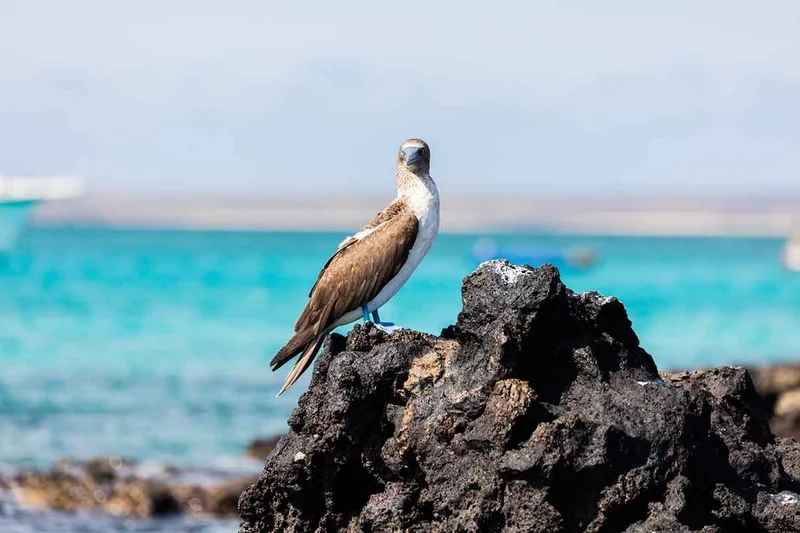
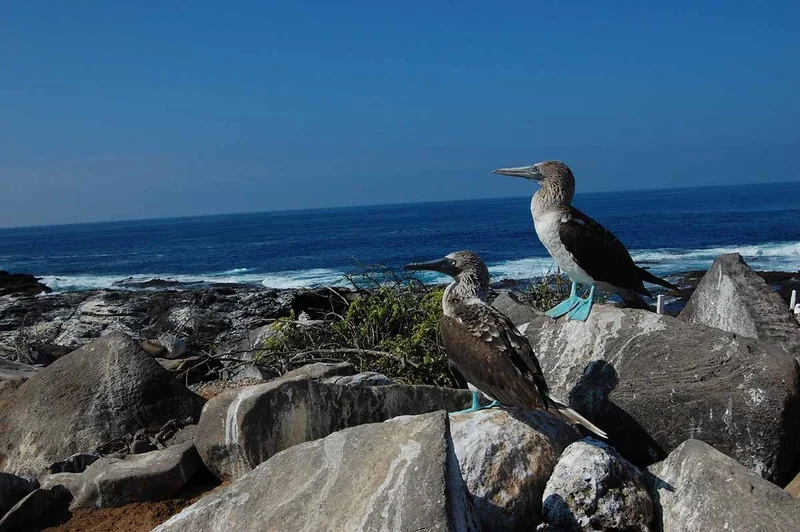
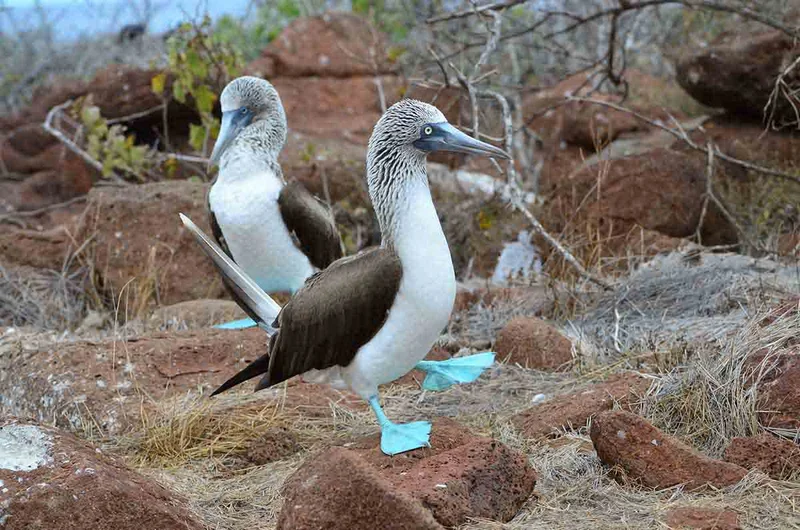
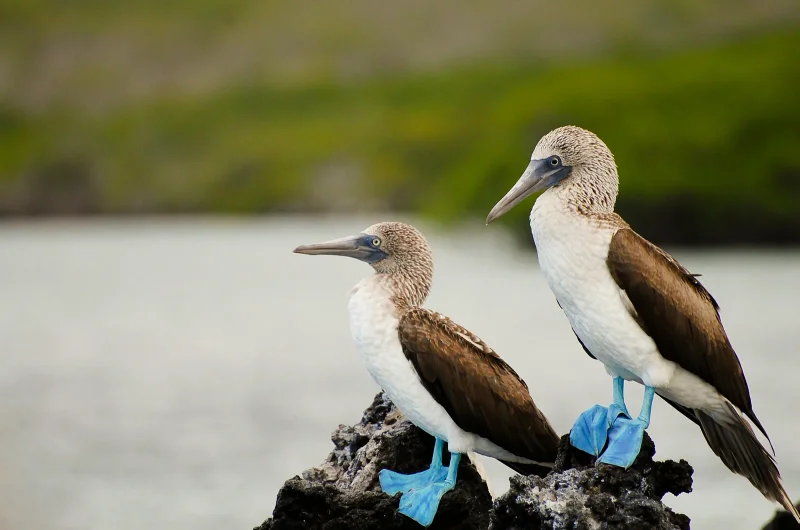
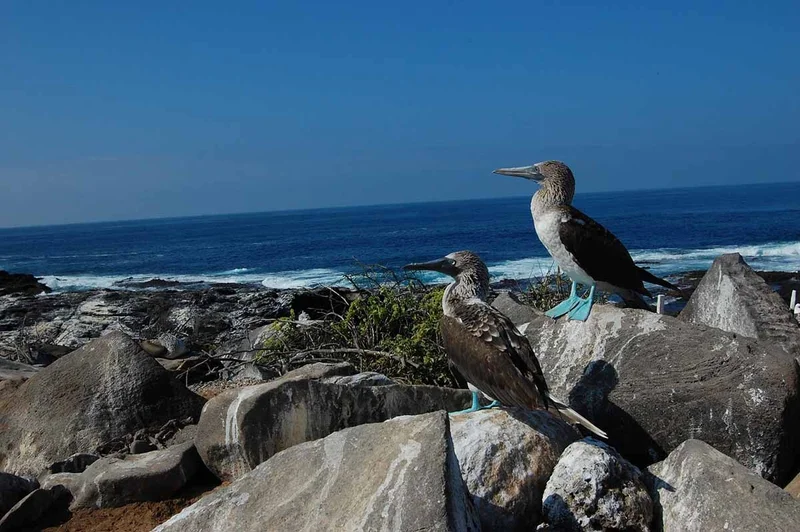
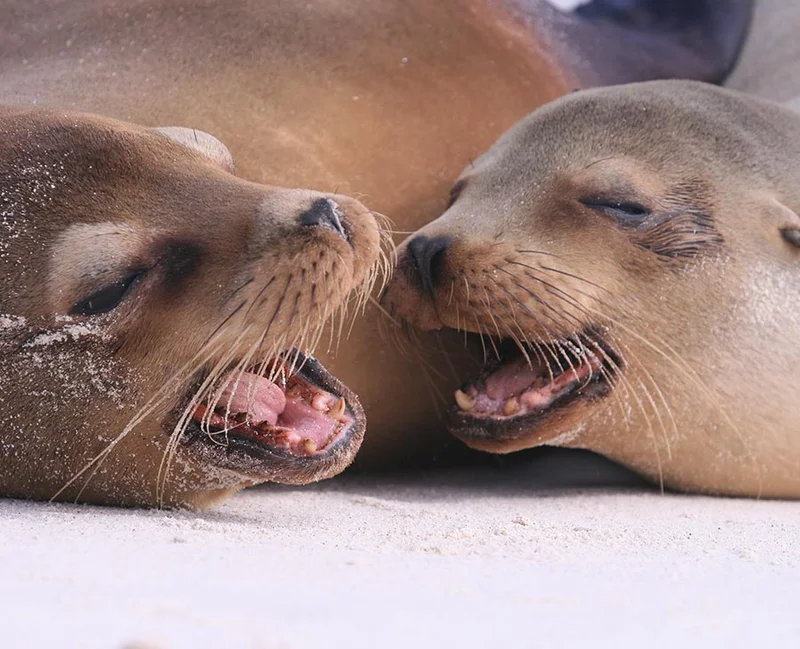
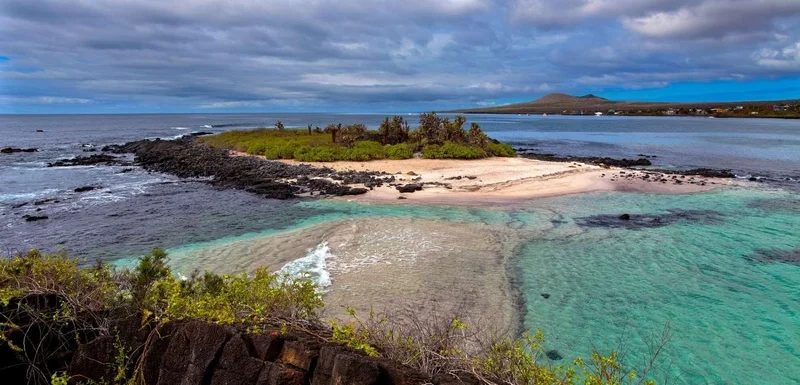
Designed for travelers with limited time or those based in Puerto Ayora or Puerto Baquerizo Moreno, our Galapagos day tours provide a condensed yet high-impact glimpse into the islands' biodiversity. These short-form Galapagos tours are perfect for adding a specific wildlife encounter such as North Seymour’s Blue-footed Boobies or Bartolomé’s iconic Pinnacle Rock to your broader Ecuador itinerary.
Even within a single day, our Galapagos Islands tour architects ensure every logistical detail is handled, from pier transfers to expert naturalist guidance.
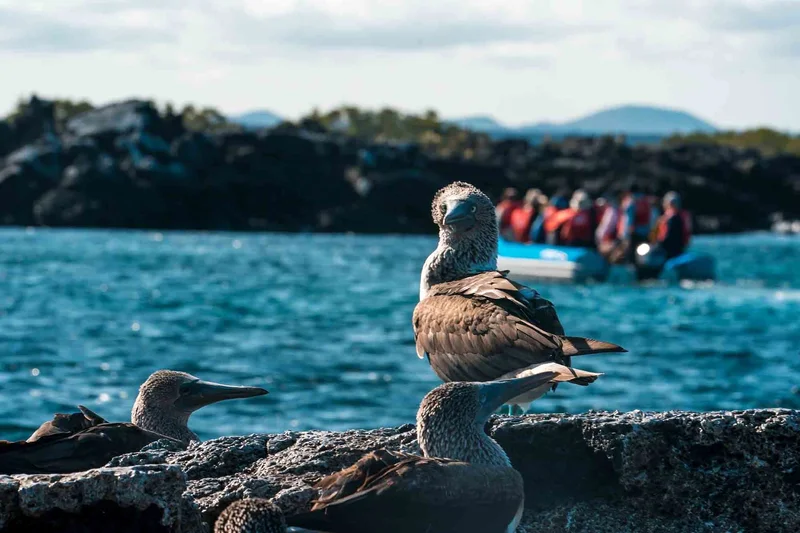
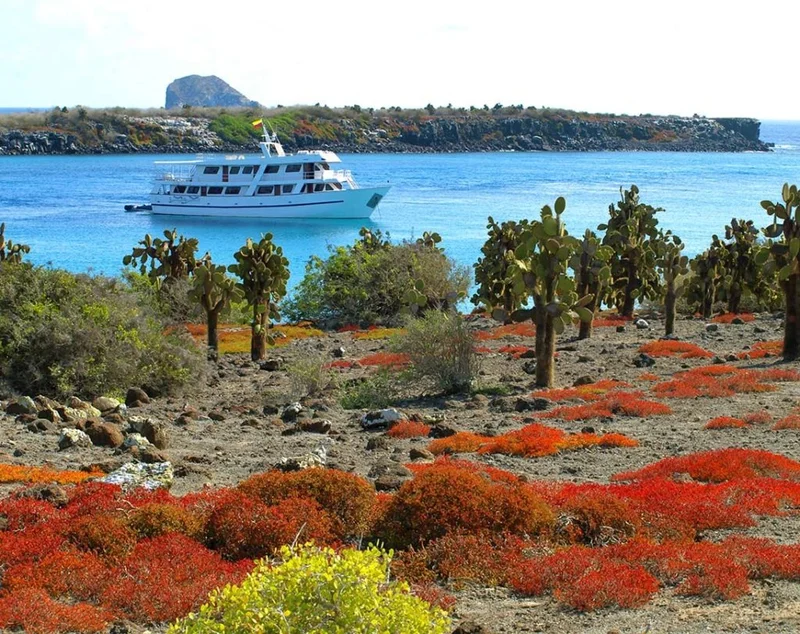
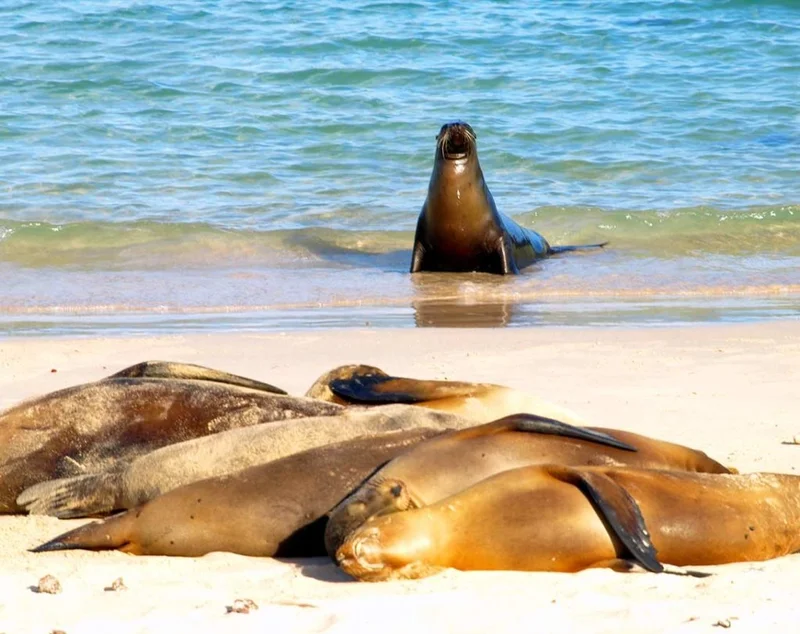
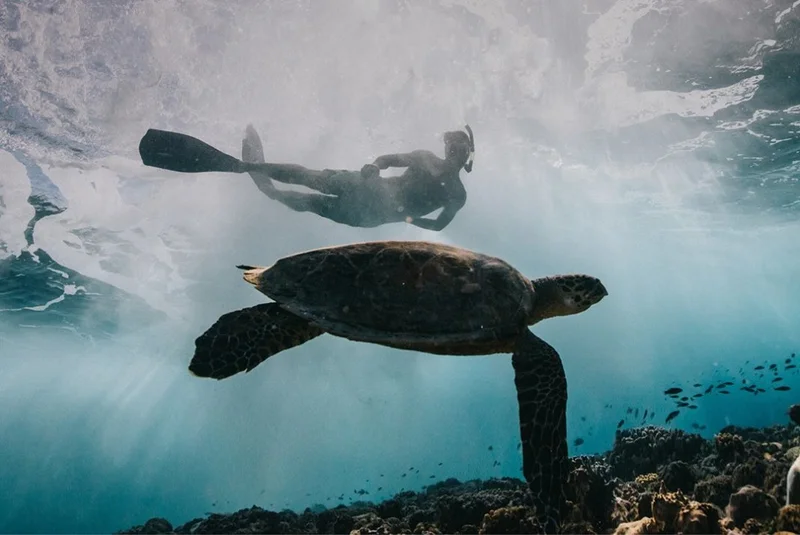
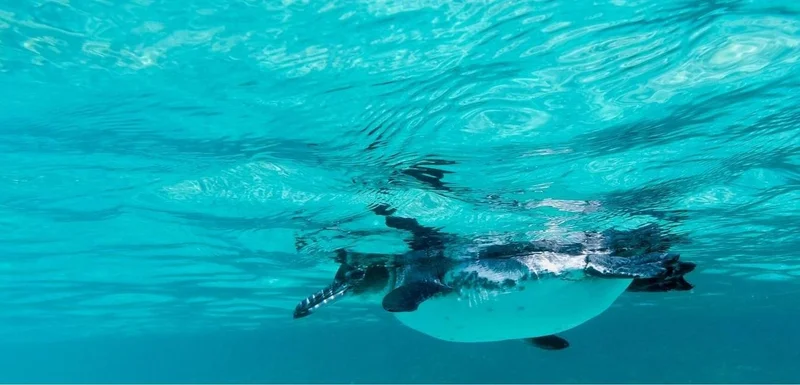
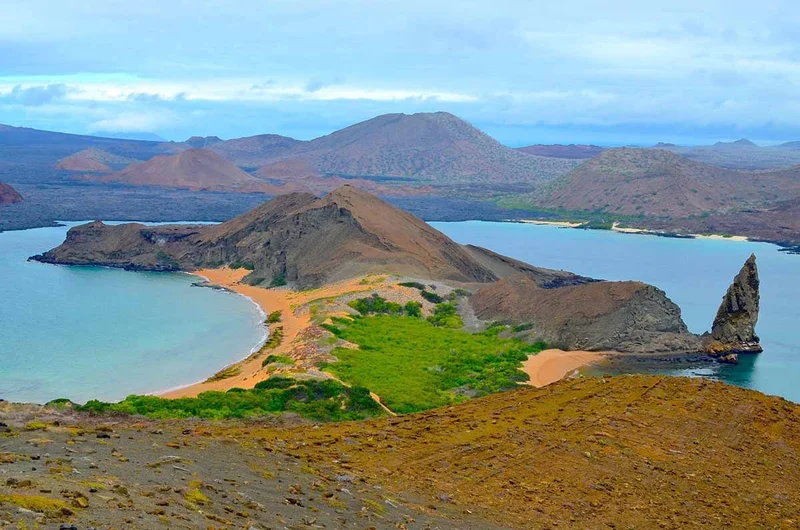
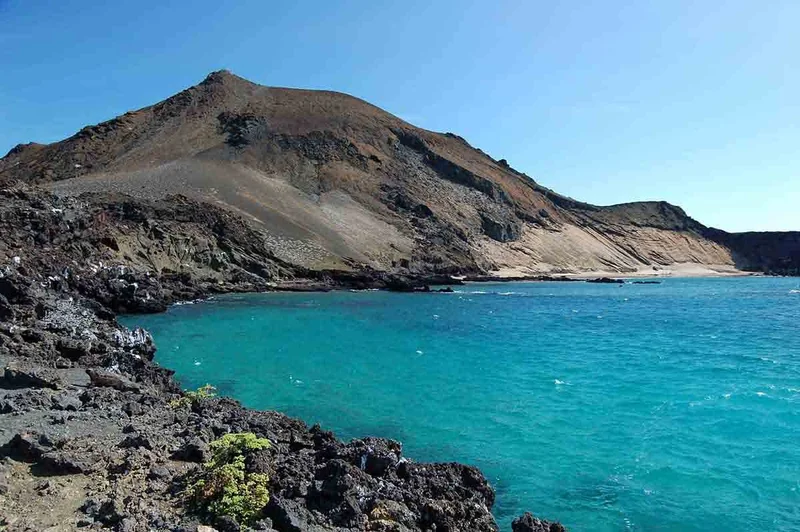
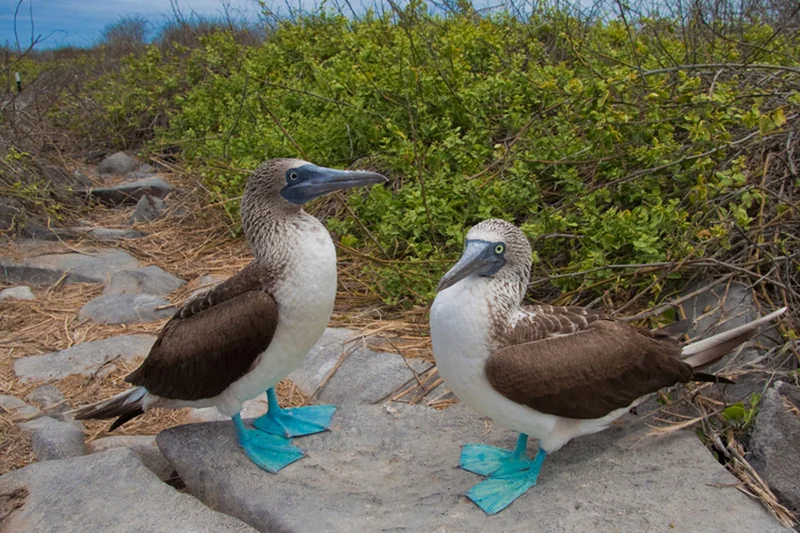
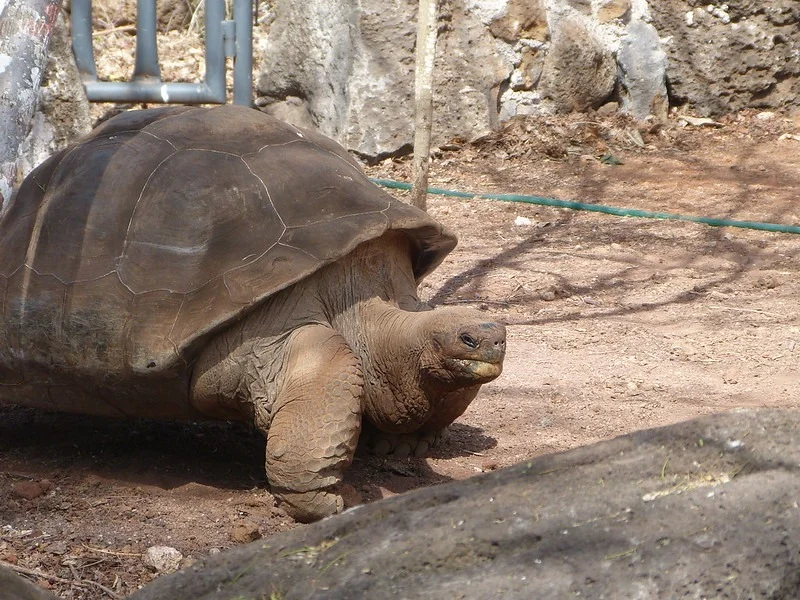
What To Expect On Our Galapagos Islands Tour Packages
Our approach to tours to the Galapagos Islands focuses on the precise intersection of seasonal movement and wildlife behavior. We evaluate specific current patterns and nesting cycles for each 2026 and 2027 departure to ensure optimal visibility.
Whether you seek a private Galapagos tour or a curated group journey, our architecture keeps you where the action is. Our expansive catalog of over 200 Galapagos tour packages provides the logistical framework for a truly custom expedition.
Our Galapagos Islands tour itineraries are defined by:
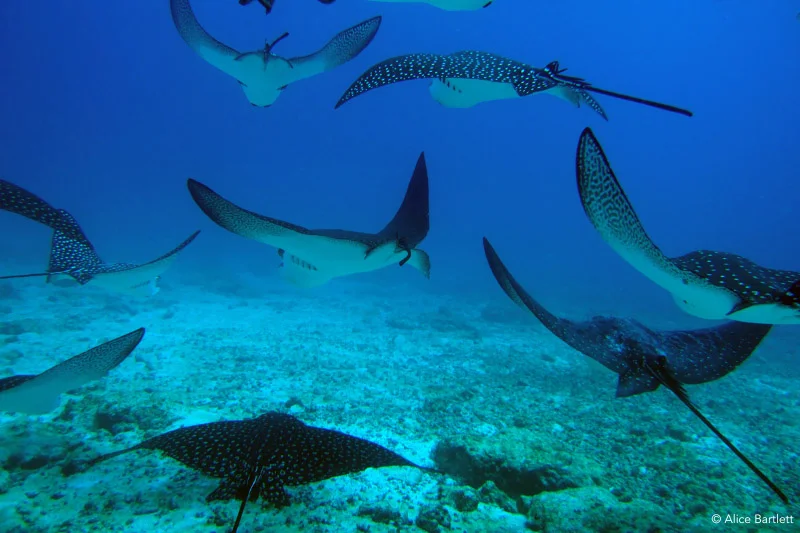
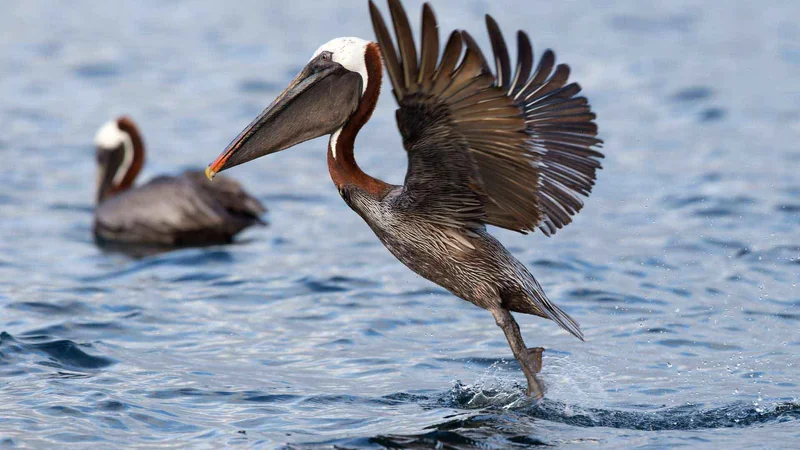
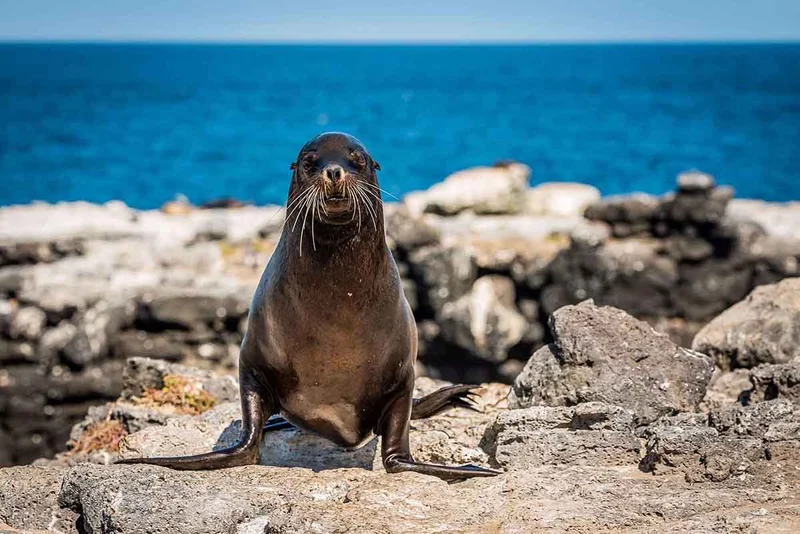
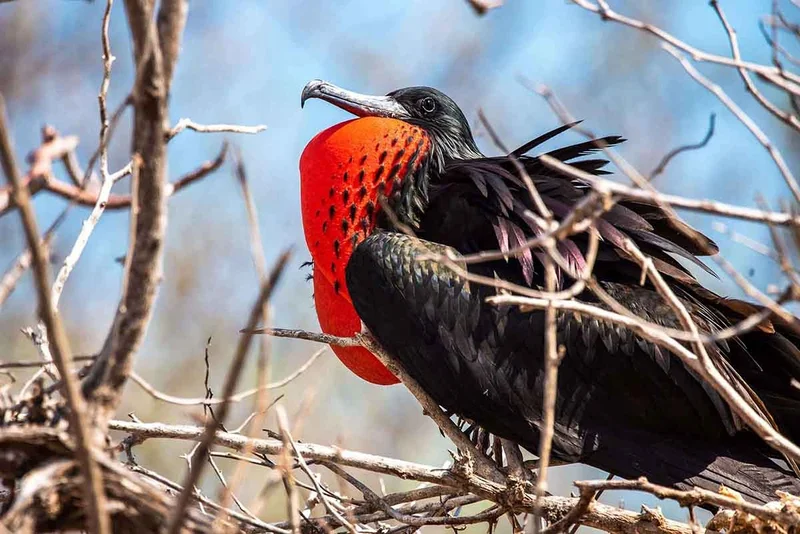
- Strategic Wildlife Access: We prioritize sightings of the 'Big 15' species by matching your arrival with peak activity windows on each island.
- Calculated Transition Logistics: Every route is analyzed to maximize exploration while significantly reducing the time spent in transit between visitor sites.
- Scientific Depth: Our Galapagos wildlife tours are guided by experts who provide deep context for the evolutionary wonders of the archipelago.
At Voyager Travels, we design Galapagos Islands tour packages that favor depth of experience over high-speed checklists. As a premier choice among Galapagos tour companies, we balance the raw intensity of Galapagos adventure tours with refined comfort.
How to Choose: Land Tour or Liveaboard Cruise?
There are two main ways to see the Galápagos, and they suit different kinds of travelers.
Land-based (island-hopping) tours
Use hotels and eco-lodges on the inhabited islands of Santa Cruz, Isabela, and San Cristóbal, taking day trips from there. You sleep on solid ground, set your own pace, and have more time for highland forests, tortoise reserves, and beaches. This is worth considering if you’re worried about seasickness, travelling with older parents or children, or if you simply prefer having a bed that doesn’t move. People often forget that day trips to the outer sites can involve small, fast boats. If you’re prone to seasickness, don’t assume the shorter ride will be easy. Bring your medication.
Liveaboard cruises
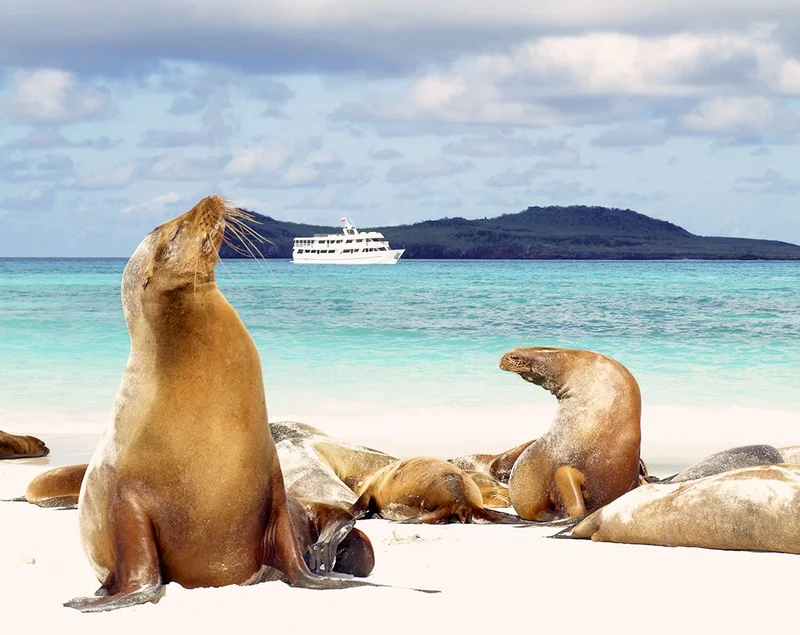
Are the classic way to reach remote northern and western islands such as Genovesa, Fernandina, and western Isabela, which day trips can’t reach. The boat is your moving hotel. You wake up near the next landing or dive site instead of spending time transferring between islands. You cover more ground and see more remote sites, but you have less control over the schedule. And on a cruise, the guide and crew matter far more than its hot tub or balcony.
Trip length also deserves a closer look. A 4-day / 3-night trip gives you only about two full days in the islands, since the first and last days are largely taken up by flights and transfers. If you want to reach the more remote islands, plan on staying longer. It’s okay if you don’t see everything in one trip. There’s always a reason to come back.
Galapagos Family Tours
Transform the archipelago into a living classroom with social architecture designed to engage both the young and the curious.
- Safety and Space: We curate Galapagos family tours on larger expedition ships to offer the social space and interconnected suites required for multi-generational success.
- Young Explorer Programs: Specialized field activities focus on interactive wildlife discovery, ensuring that a Galapagos family tour is as educational as it is adventurous.
Galapagos Wildlife Tours
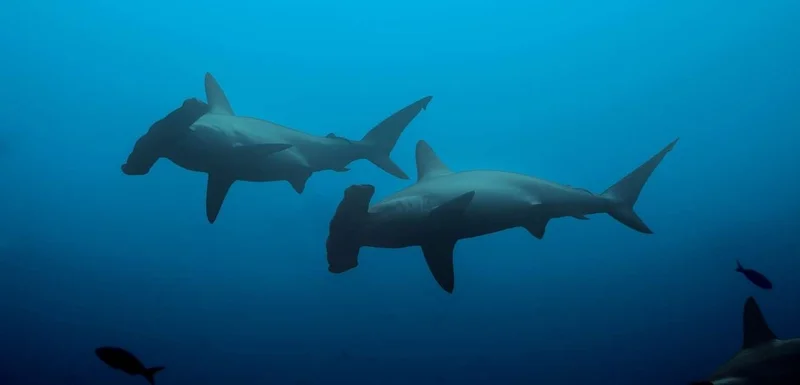
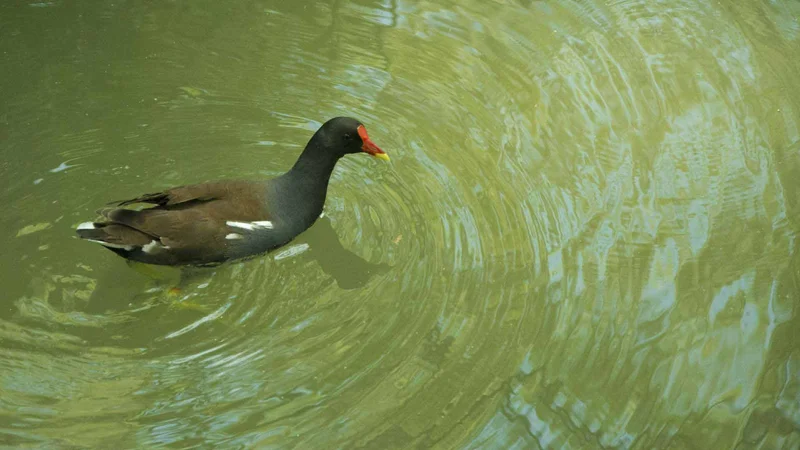
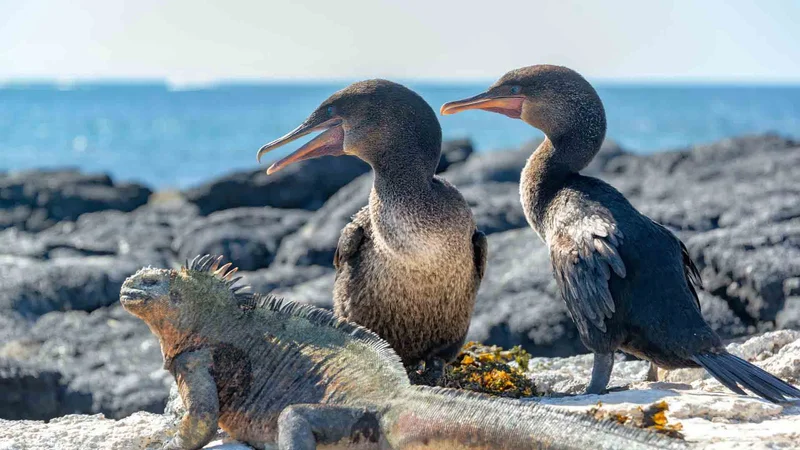
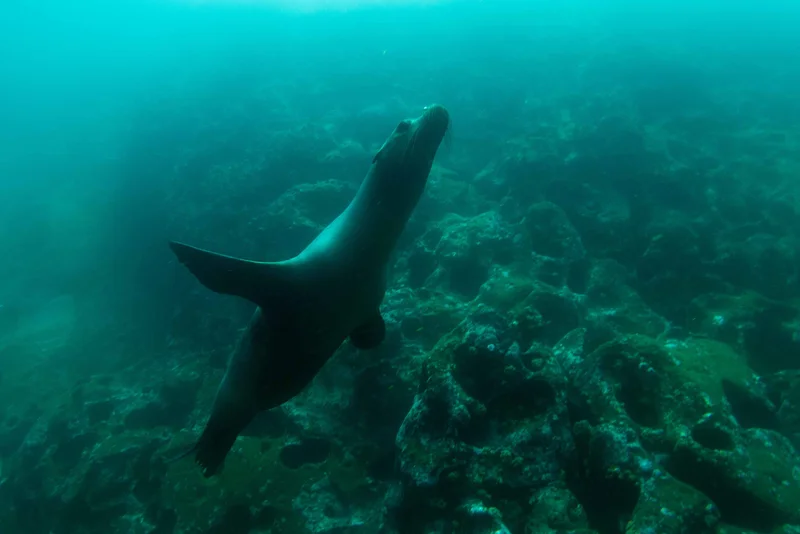
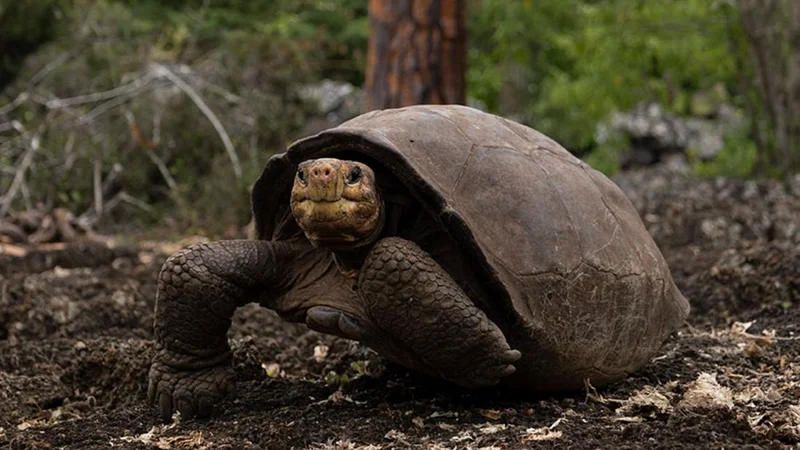
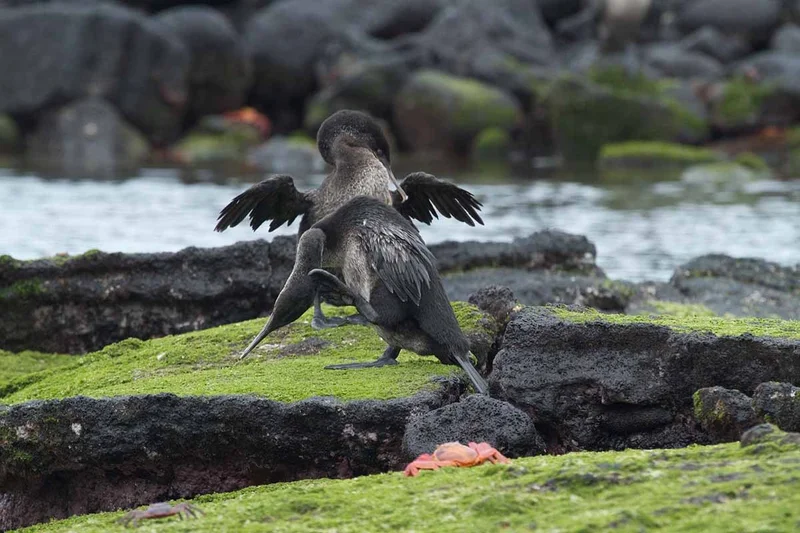
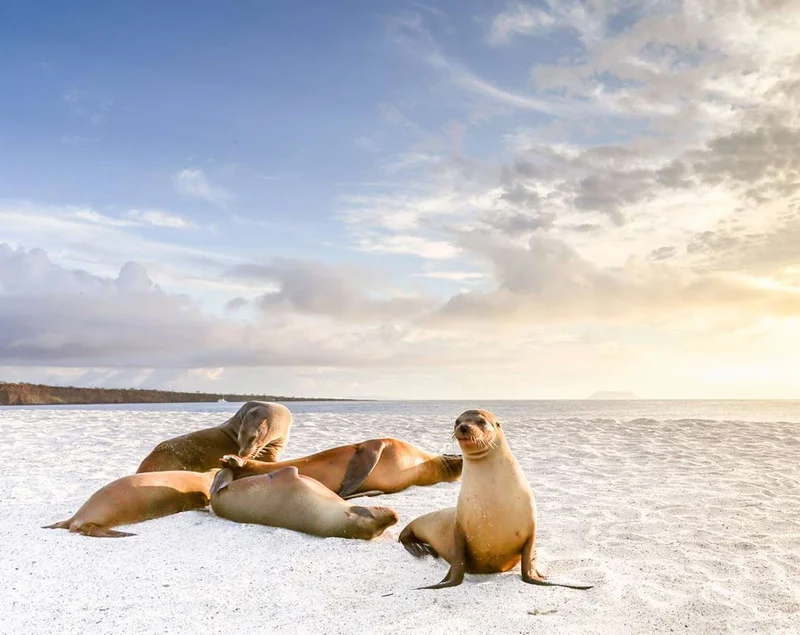
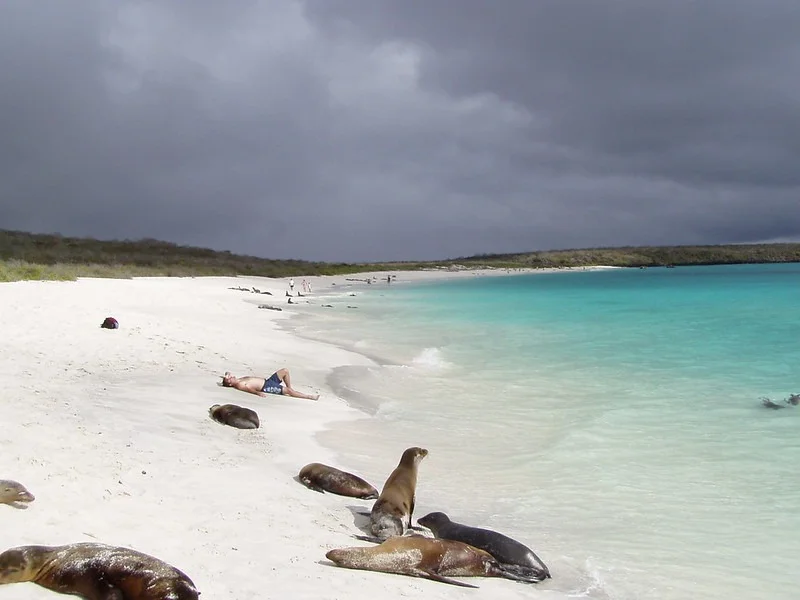
Our Galapagos wildlife tours are architected around the specific habitats of the iconic Big 15 species to ensure optimal sightings.
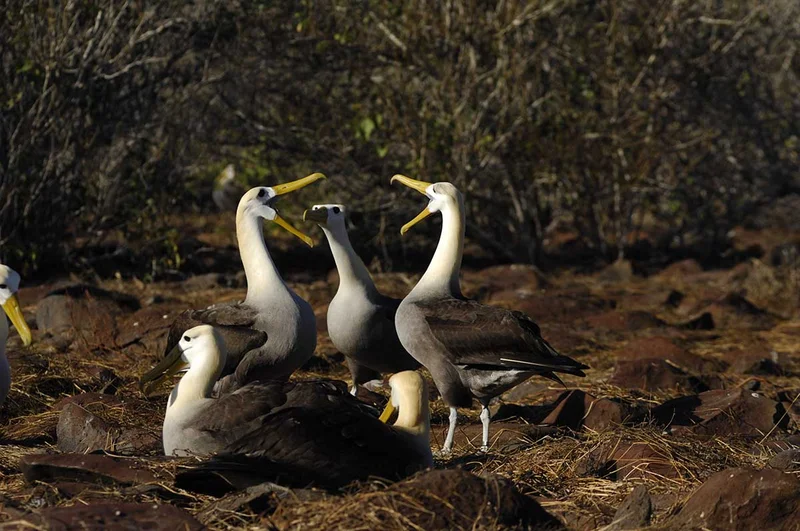
- Habitat Intelligence: We strategically differentiate between Western routes for Flightless Cormorants and Eastern routes for the Waved Albatross.
- Timing Precision: Every Galapagos wildlife tour is timed to match peak behavioral events, such as the unique nesting cycles or seasonal migrations of rare marine life.
Galapagos Adventure Tours
Active immersion is the core of our Galapagos adventure tours, designed for those who prefer to connect with the raw geological power of the islands.
- Multisport Integration: We weave high-impact activities like deep-water snorkeling and coastal kayaking directly into your Galapagos Islands tour flow.
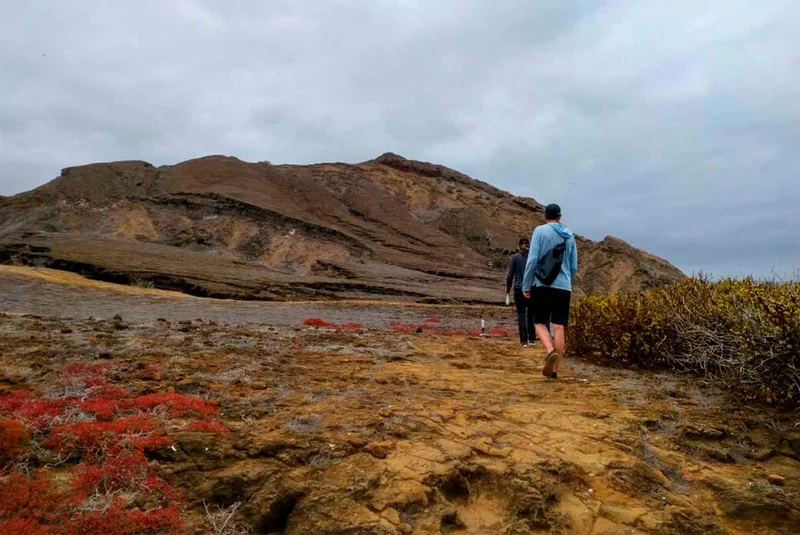
- Raw Exploration: Volcanic trekking and highland exploration provide a visceral, unshielded perspective of the islands' unique evolutionary history.
Why book with Voyagers Travel?
Stephen Sancho. We started in Ecuador and Peru before building operations across the Galápagos and the Amazon.
Every itinerary you see below started as a custom trip built around a real traveler’s interests, rather than a package sitting on a shelf.
Our Approach to Travel
When people ask us which Galápagos yacht is “best,” our answer is that the best option and the most cost-effective option are often two different things. “Luxury” means something different to everyone.
We’re also expedition-cruise specialists. We enjoy planning trips that don’t fit neatly into a package. No itinerary is too complicated for us.
Every itinerary started as a custom trip built around a real traveler’s interests, rather than a package sitting on a shelf.
Expedition-Cruise Specialists
We plan custom cruise extensions and multi-country journeys combining the Galápagos with the Amazon, Machu Picchu, or Peru.
Our Eco-Factor Score
Our eco-factor score weighs local ownership, local craftsmanship, and in-country sales and marketing, giving travelers transparency when comparing small yachts.