
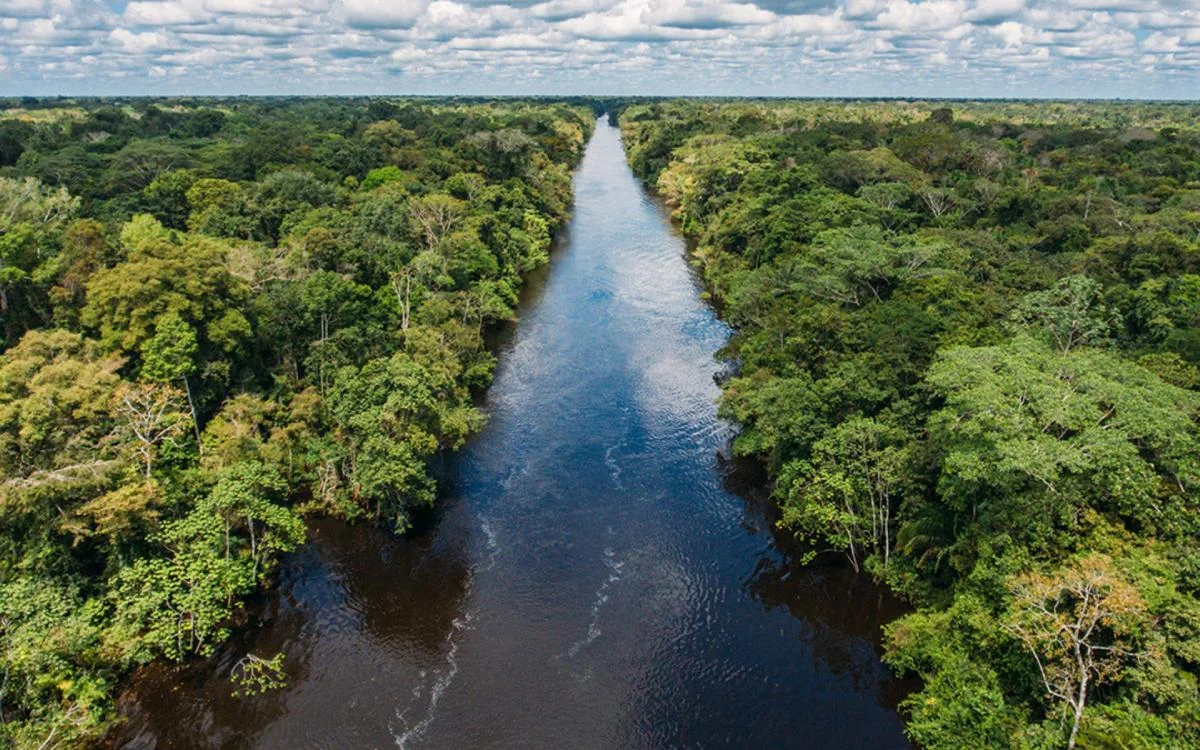
Amazon River Expeditions Are Becoming the Next Big Journey for Remote Travel Seekers | Travel Blog
The first thing travelers notice about the Amazon is the noise, not silence, or the cinematic emptiness people picture when they imagine somewhere truly remote. A wall of sound, insects, birds, water against aluminum, generators coughing to life before dawn. The air smells like wet wood and river mud and something overripe you can't quite identify. None of that makes it into the brochure photographs.
Table of contents
For a long time, the Amazon came after other things. After Machu Picchu, after the Galapagos. A possible extension, maybe, if there was time. Voyagers Travel is seeing that change, bookings up, inquiries up, travelers arriving with the Amazon as the destination rather than the afterthought.
Why now is harder to answer cleanly than it might seem.
Key Takeaways
- Amazon river expeditions are gaining demand as travelers look for remote, nature-focused journeys beyond traditional destinations like the Galápagos and Antarctica.
- Experienced expedition travelers are increasingly choosing the Amazon for its unpredictable wildlife, changing river conditions, and less choreographed sense of wilderness.
- Small expedition vessels in the Peruvian Amazon are driving interest because they allow access to narrow tributaries, flooded forests, and remote rainforest areas.
- Amazon expeditions combine wildlife observation with cultural encounters in riverside and Indigenous communities, creating a deeper sense of place.
- Peru, Ecuador, and Brazil each offer distinct Amazon travel styles, with Peru currently attracting strong demand for small-vessel river cruising.
- The appeal of the Amazon lies in its uncertainty: rain, wildlife, river levels, and daily conditions shape the journey more than a fixed itinerary.
Why Travelers Are Looking Beyond Traditional Expedition Destinations
Many of the travelers now approaching the Amazon are experienced expedition passengers who have already been to Antarctica or the Galapagos. Those destinations remain compelling, but repeat expedition travelers increasingly want environments that feel less managed, less choreographed. The Amazon offers something rougher. Wildlife sightings are unpredictable, trails flood without warning, and the river dictates timing more reliably than any printed itinerary.
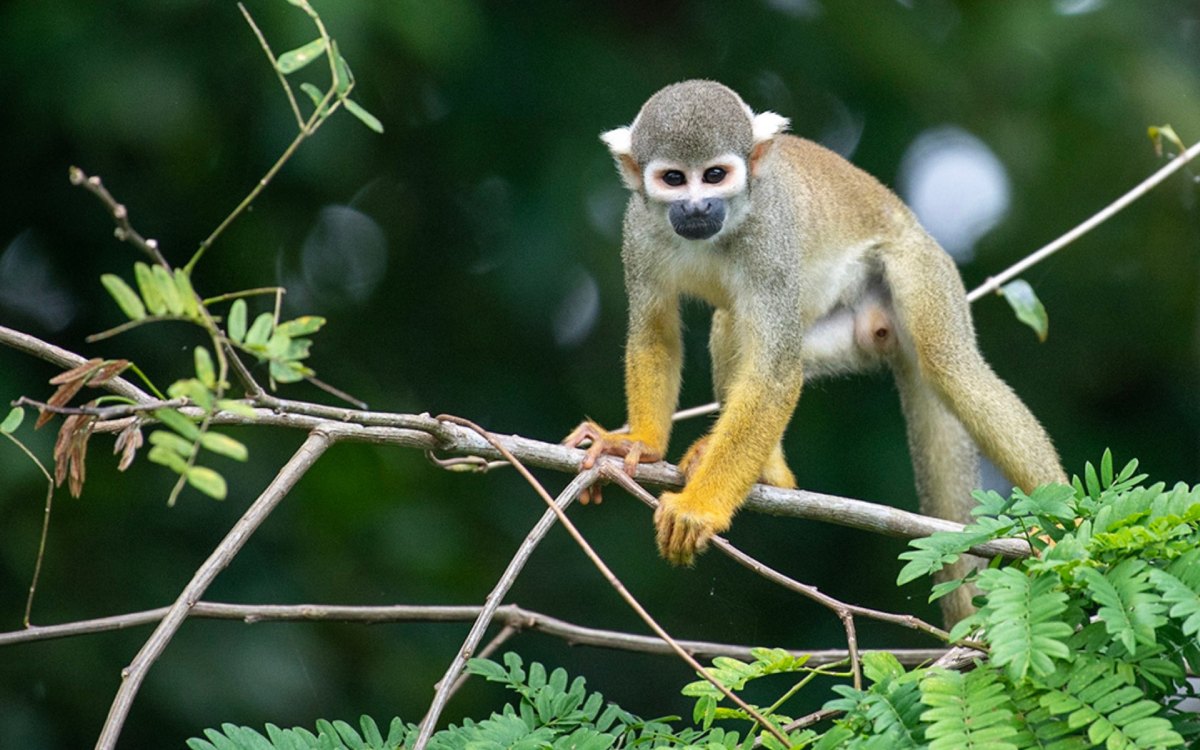
Marco Sancho, CEO of Voyagers Travel, describes the Amazon as one of the most requested destinations the company currently handles. Travelers returning from polar or island expeditions are looking for another place that still feels genuinely wild. In the Amazon, that sense tends to arrive slowly rather than dramatically. Hours may pass with little visible movement except brown water sliding beneath the hull, and then there's the crack of branches overhead, pink river dolphins surfacing beside the boat, or the sharp smell of crushed vegetation as guides cut through flooded forest trails.
.jpg?alt=media&token=feed99f8-95ee-4b84-bd8f-a4f3b4040222)
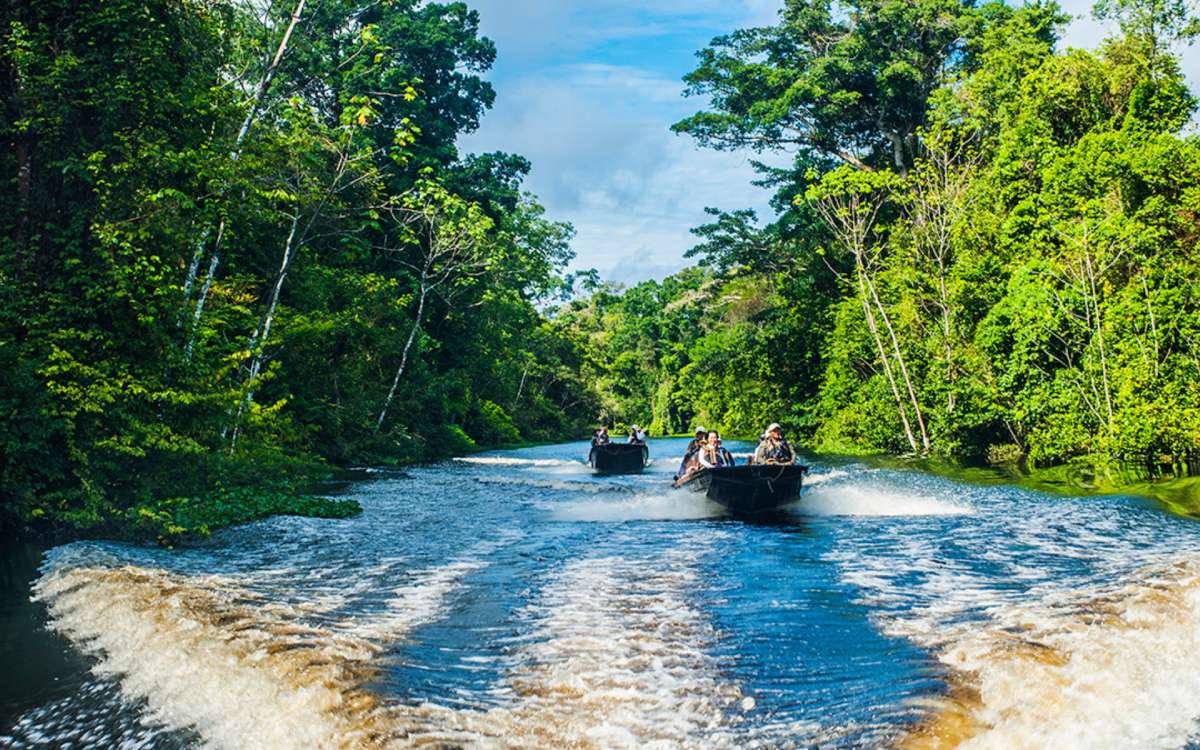
The pace itself is part of what makes this kind of travel distinct. Unlike expedition cruising in colder regions, where weather windows and landing schedules set the rhythm, Amazon expeditions follow the river's own logic. Mornings begin before sunrise when wildlife activity is highest, and the air still feels cool. Travelers board small skiffs with coffee still bitter on the tongue while guides scan the shoreline for monkeys, macaws, or caimans hidden in the reeds. By midday, the heat has settled in enough to slow conversation.
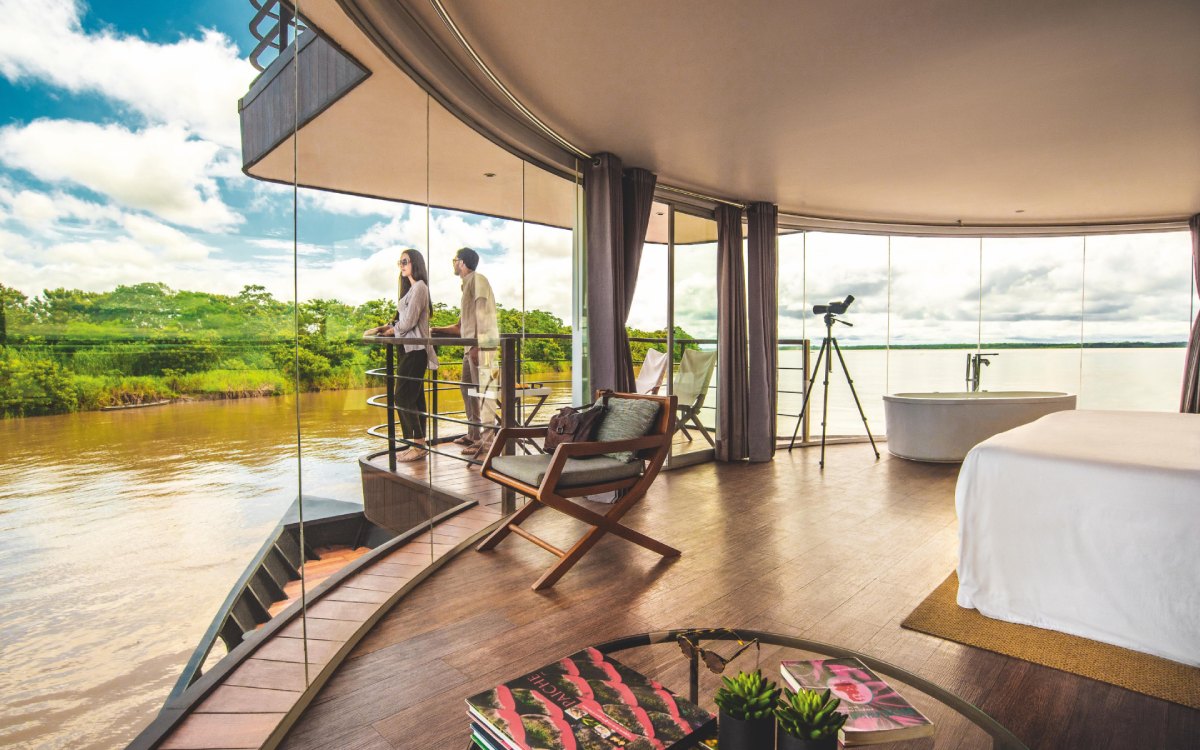
Life Aboard Small Expedition Vessels
A significant part of the demand is being driven by smaller expedition vessels operating in the Peruvian Amazon. These boats are built for access; narrow channels, flooded forests, and shallow tributaries don't leave room for anything larger, and they come well-equipped for it. Most vessels offer comfortable cabins, quality meals built around regional ingredients, and attentive service throughout. Luxury-focused options go further: private balconies, gourmet dining, naturalist guides with advanced academic credentials, and spa facilities that make the end of a long excursion day considerably more pleasant.
What distinguishes Amazon expeditions from conventional rainforest tourism is the structure of the journey itself. Travelers aren't staying at a jungle lodge and taking occasional excursions, the river is the route, and it changes constantly. Blackwater tributaries reflecting trees like dark mirrors, muddy banks crowded with fishing villages, open stretches where rain arrives as a smell before it arrives as weather. Each bend carries a slightly different atmosphere. That kind of continuous movement through changing ecosystems is something no fixed lodge, however comfortable, can replicate.

The Human Side of Amazon Exploration
The strongest Amazon itineraries aren't built entirely around wildlife, even though biodiversity remains central. Encounters with local communities shape a significant part of the experience. Travelers may visit Indigenous villages, river settlements, schools, or markets accessible mainly by boat, visits that can feel uncomfortable for visitors unused to entering communities where tourism is still small-scale. Good expedition teams approach these carefully, with attention to context and long-term relationships rather than staged moments.
That balance matters because travelers are increasingly skeptical of surface-level cultural experiences. Voyagers Travel positions itself as an advisor helping travelers understand meaningful differences between expedition styles across the Amazon basin, and those differences are real. Conditions vary significantly between Peru, Ecuador, and Brazil, not only in geography but in navigation styles, wildlife density, infrastructure, and what travel actually feels like day to day.
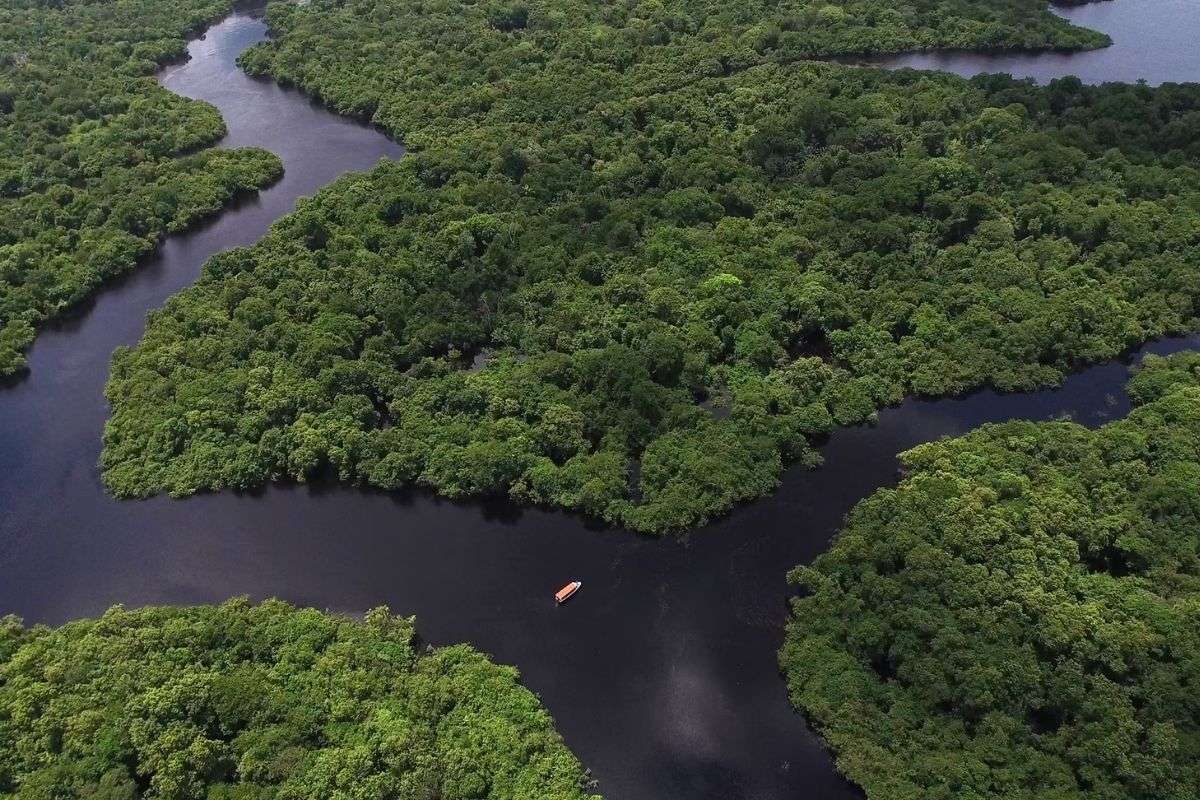 Pure Amazon: Low water season 5D/4N Experience, starting on Nauta
A modern and comfortable Amazon river expedition through peaceful backwaters, lush green islands, and wildlife-rich jungle landscapes.
Request a quote
Peru currently draws the strongest demand, partly because the upper Amazon offers accessible expedition cruising combined with high biodiversity. Ecuador appeals to travelers looking for shorter access from Quito into the rainforest. Brazil offers a broader scale entirely, river distances that can feel endless, and urban ports that give way abruptly to deep forest systems. None of these regions operates as a polished version of wilderness. Delays are common, rain disrupts plans, and mosquitoes are indifferent to expensive clothing.
Why the Amazon Fits the Current Travel Mood
The growing interest in Amazon expeditions reflects something wider happening across the travel industry. Travelers want experiences that resist easy replication, that can't be consumed quickly or filtered through a screen in a way that feels equivalent to being there. The Amazon resists speed almost structurally. Distances are long, communication unreliable, and conditions shift constantly with rainfall and river levels. Even the more comfort-focused expeditions can't fully smooth away the physical realities of the rainforest.
For many travelers, that friction has become part of the appeal. Inquiries are increasingly centered on biodiversity, conservation, and meaningful engagement with the landscape rather than sightseeing. The company works with multiple vessels and lodges throughout the basin, which allows genuine comparison between different approaches to navigation, comfort level, and depth of exploration.
The challenge is understanding what kind of expedition experience a traveler actually wants. Some itineraries emphasize wildlife observation with multiple naturalist-led excursions daily. Others focus more on cultural interaction or slower navigation through isolated tributaries. There is no single version of an Amazon expedition, which is part of why specialist guidance has become valuable, the river is too large, too varied, and logistically too complex for one-size-fits-all planning.
What cuts across nearly every Amazon journey is this: the rainforest doesn't perform on schedule. Animals disappear, rain arrives hard and sideways, and river conditions shift overnight. Travelers who accept that uncertainty often return describing something that doesn't fit neatly into a standard trip summary, not comfort, not spectacle, but the particular feeling of a place that continued on long after they left it.
%20Contact.jpg?alt=media&token=a252bc1e-667d-406a-874e-dd2841743dc7)
FAQs
What is driving the recent increase in Amazon expedition travel?
Travelers are increasingly drawn to remote, nature-focused journeys that offer genuine immersion rather than convenience. Many who previously visited Antarctica or the Galápagos are now seeking rainforest experiences centered on biodiversity, wildlife, and cultural engagement.
Which parts of the Amazon are seeing the strongest demand?
There is a strong interest across Peru, Ecuador, and Brazil, with Peru attracting particular attention for small-vessel river expeditions. Each region offers different conditions, wildlife opportunities, and travel styles.
How are Amazon expeditions different from Galápagos or Antarctica cruises?
Amazon expeditions move at the pace of the river rather than fixed landing schedules. Travelers navigate flooded forests, visit riverside communities, and encounter wildlife that appears, or doesn't, on its own terms. The environment is hotter, wetter, and often more physically demanding than polar expedition travel.
What kind of vessels are commonly used for Amazon expeditions?
Many travelers are choosing smaller expedition boats designed for access to narrow tributaries and remote rainforest areas. These vessels prioritize guided exploration and immersion over large-scale amenities or resort-style cruising.
Why are travelers interested in more remote expedition experiences now?
Many are moving away from crowded tourism and highly structured itineraries. Remote destinations like the Amazon offer slower travel, fewer distractions, and experiences shaped by weather, wildlife, and environment rather than a predetermined schedule.
Marco Sancho
Travel Blogger
Credentials
- ✓Voyagers Travel Contributor