
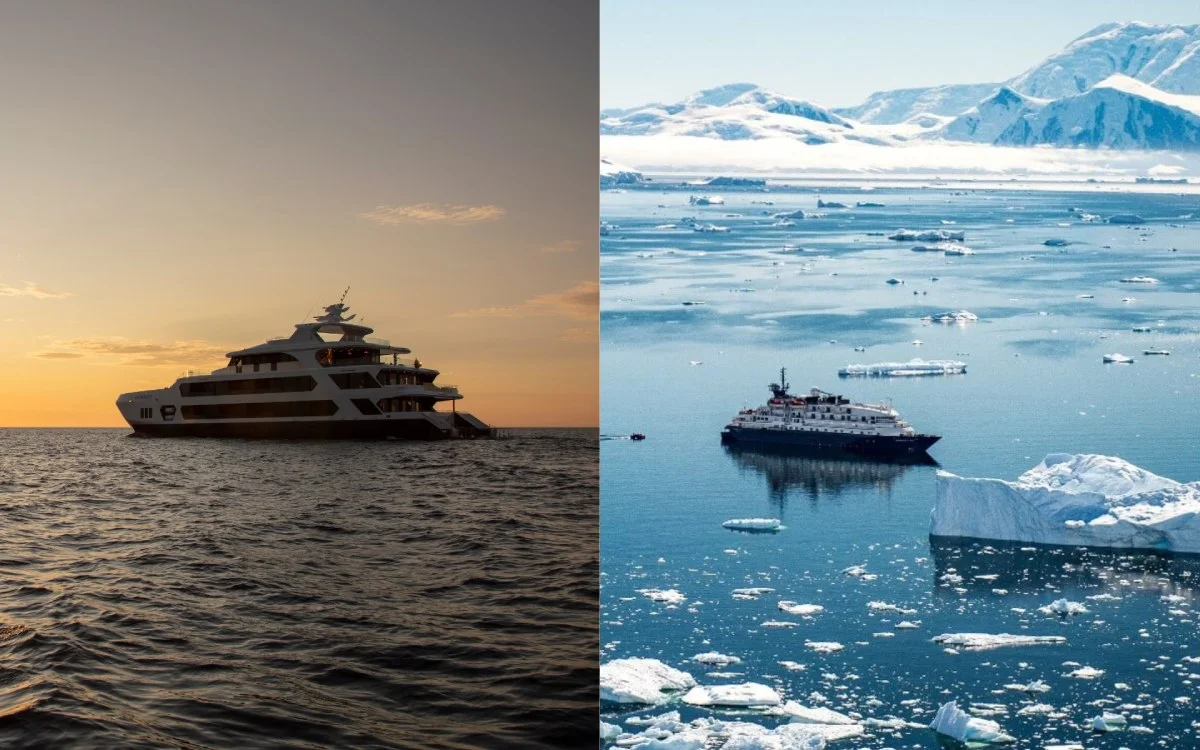
Why Most Travelers Get Expedition Cruises Wrong Before They Even Board the Ship | Travel Blog
Expedition cruises look simple from the outside. You pick a destination, find a ship, choose dates. The photographs help, icebergs, Zodiac landings, penguins at close range. What most travelers don't realize until later, sometimes much later, is that two trips to the same destination can produce completely different experiences depending on decisions that never appear in the brochure.
Voyagers Travel sees this regularly. Travelers book Antarctica expecting daily shore landings and discover their vessel is too large to conduct them. Others choose a Galapagos cruise without realizing the islands they most wanted to visit aren't on the route at all. The deposit is already paid by then. The trip is already set.
Table of contents
These aren't obscure edge cases. They're common enough that Voyagers Travel considers traveler misunderstanding one of the central problems in expedition travel today, and the gap between expectation and experience is wide enough to ruin a journey that cost tens of thousands of dollars and took years to plan.
Key Takeaways
- Expedition cruises can vary greatly depending on the ship, route, permits, and expedition team.
- In Antarctica, ships with more than 500 passengers cannot offer shore landings.
- Galapagos cruises depend on route permits, so not all vessels visit key islands like Española or Genovesa.
- In expedition travel, the itinerary matters more than cabins, dining, or onboard amenities.
- Guide quality, group size, and landing frequency can strongly shape the overall experience.
- Lower prices often come with trade-offs, such as fewer excursions, larger groups, or weaker routes.
- The best expedition choice depends on matching the right vessel, route, and team to the traveler’s expectations.
The Illusion of “All Ships Are Basically the Same”
Vessel differences in expedition travel go well beyond comfort level. Two ships sailing the same region can offer fundamentally different access, guide depth, landing frequency, and wildlife contact, and nothing in the marketing materials will tell you which is which.
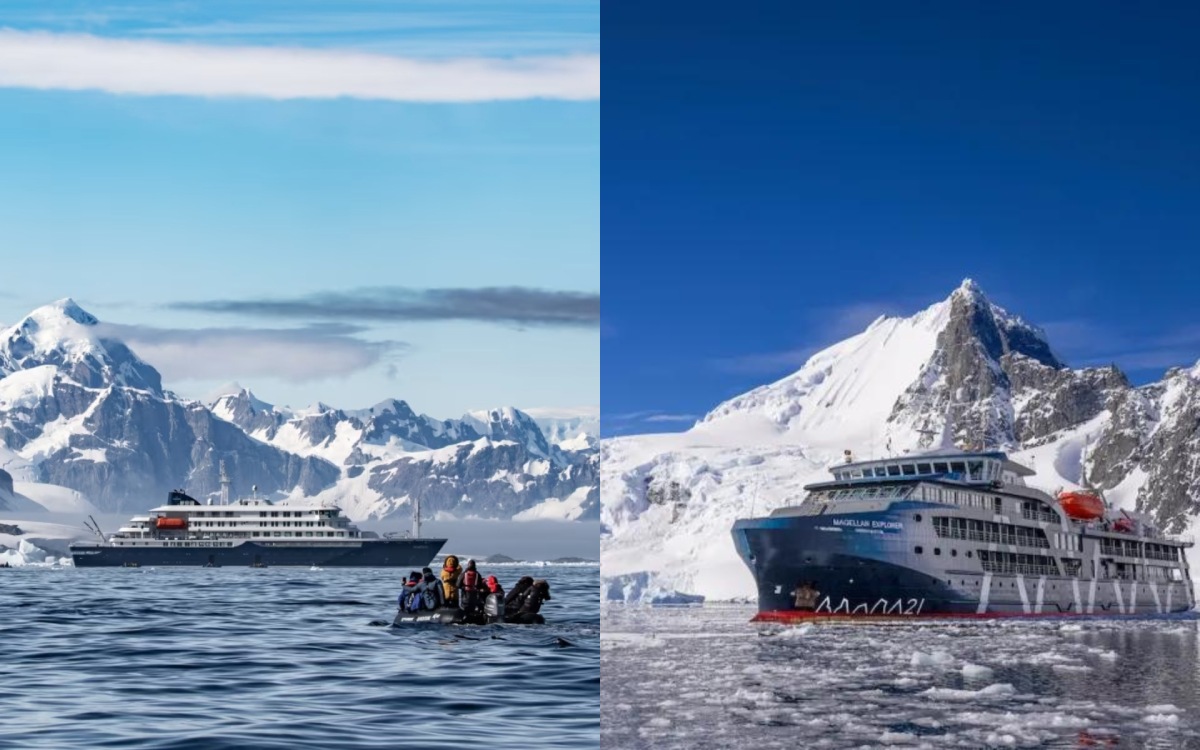
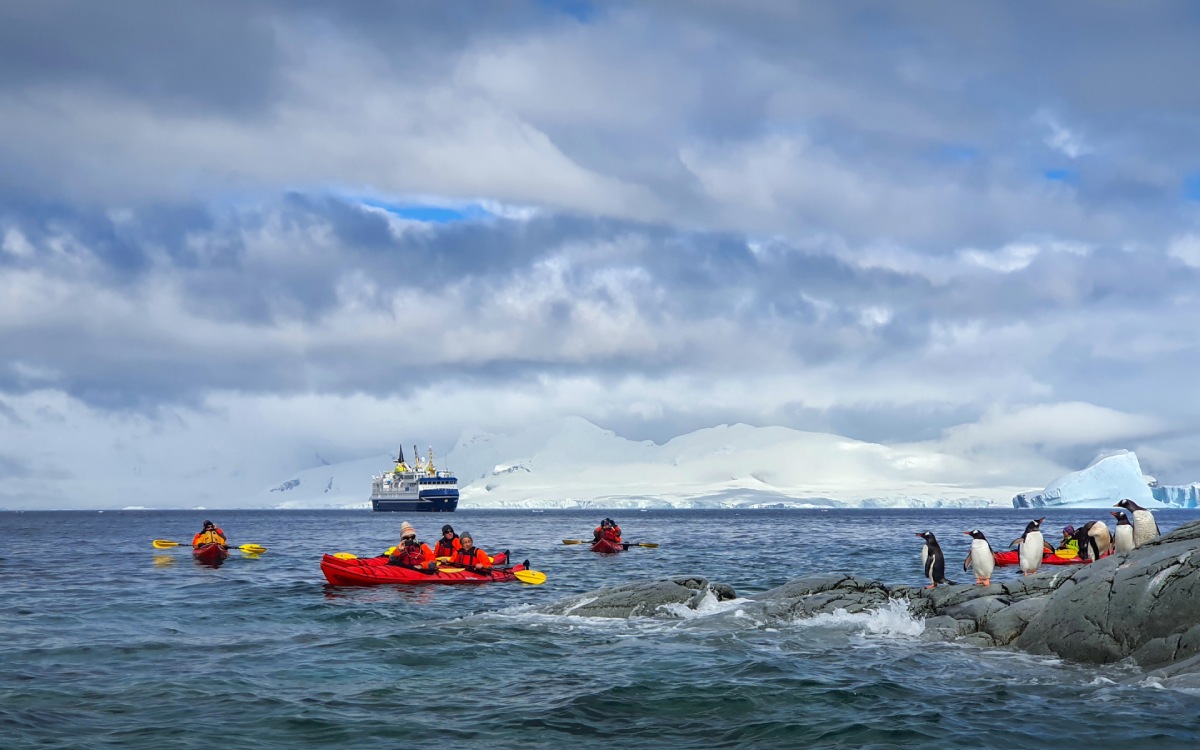
Antarctica makes this concrete. Under the International Association of Antarctica Tour Operators guidelines, vessels carrying more than 500 passengers cannot conduct shore landings. They cruise. Travelers who are unaware of this rule can book what appears to be an expedition and spend the voyage gazing at ice through glass. Not a bad experience, necessarily. But not what they thought they were buying.
Smaller ships bring their own trade-offs. They get closer, land more often, and operate more aggressively, which also means they move more in rough weather. The Drake Passage in a storm is not the same on a 100-passenger vessel as it is on a 400-passenger ship with active stabilizers. Travelers who research cabin finishes and skip questions about hull design and ice classification sometimes find that out the hard way.
Why Galapagos Itineraries Are More Complicated Than They Look
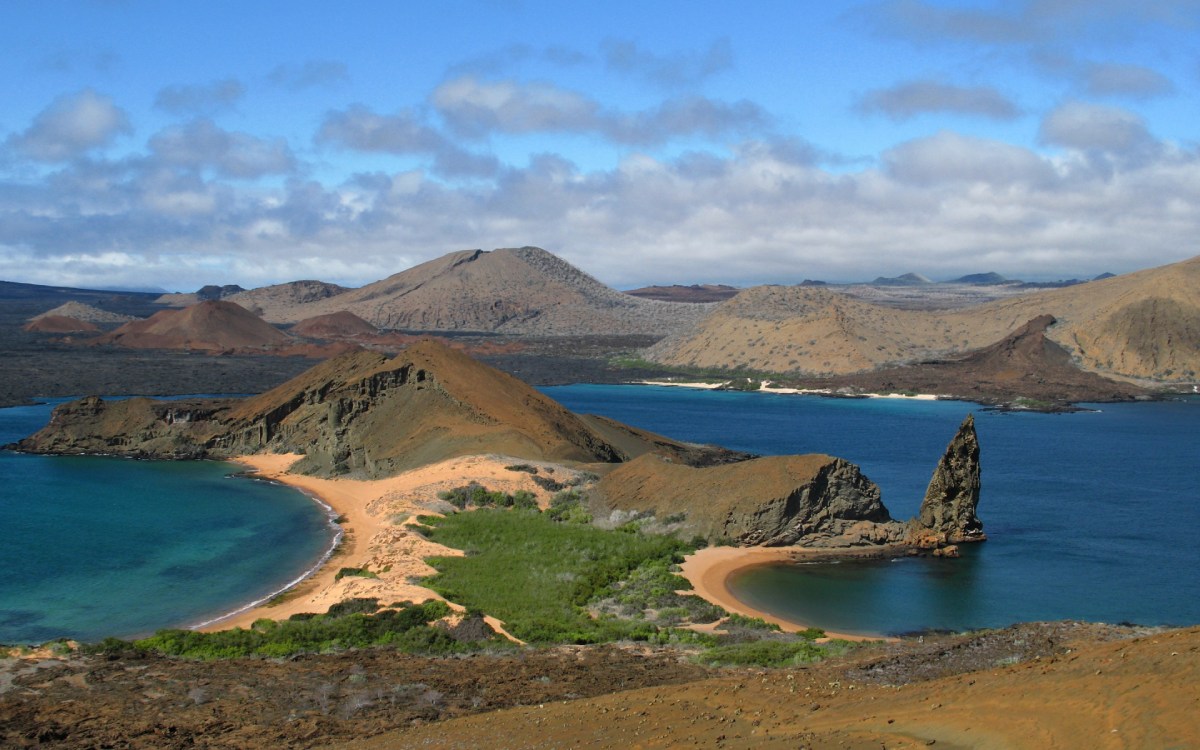
On a map, the Galapagos looks manageable. A cluster of islands, a short cruise, and wildlife everywhere. The reality is that specific islands require specific permits, and not all operators hold the same ones. Which islands a vessel can visit determines what travelers actually see, and some of the most important sites don't appear on every itinerary.
Española, for waved albatross. Genovesa, for frigatebirds and boobies in numbers that are hard to describe until you're standing in the middle of them. These aren't interchangeable with the central islands that most crowded routes cover. Travelers who book without checking the detailed route often only understand what they missed after speaking with other passengers who took a different ship.
Brochures don't make this easy to catch. Cabin photography, sundeck space, and dining menus are highlighted. The specific islands visited get listed in small print, if at all. In expedition travel, the itinerary is the product. Everything else is packaging.
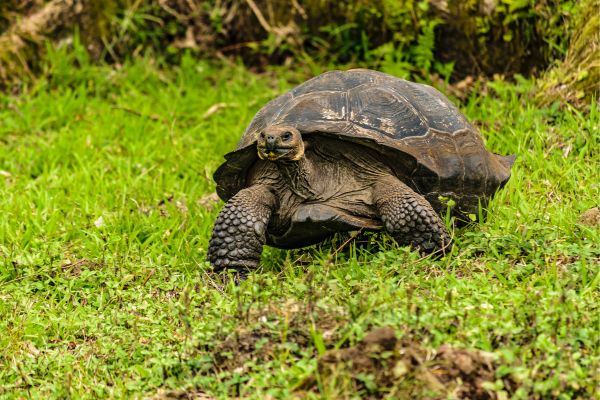 Galapagos 5 days cruise on board the Ocean Spray North and Central islands
Explore Genovesa, Bartolomé and Santiago while snorkeling with sea lions, turtles and rays in 5 days.
USD 5490
The Hidden Importance of Expedition Teams
A good naturalist changes what you see. Not because the wildlife is different, but because the context is. A muddy riverbank in the Amazon with someone who can read animal behavior, explain what the vegetation indicates, and position the group at the right moment produces a different experience than the same riverbank with someone reading from a laminated card.
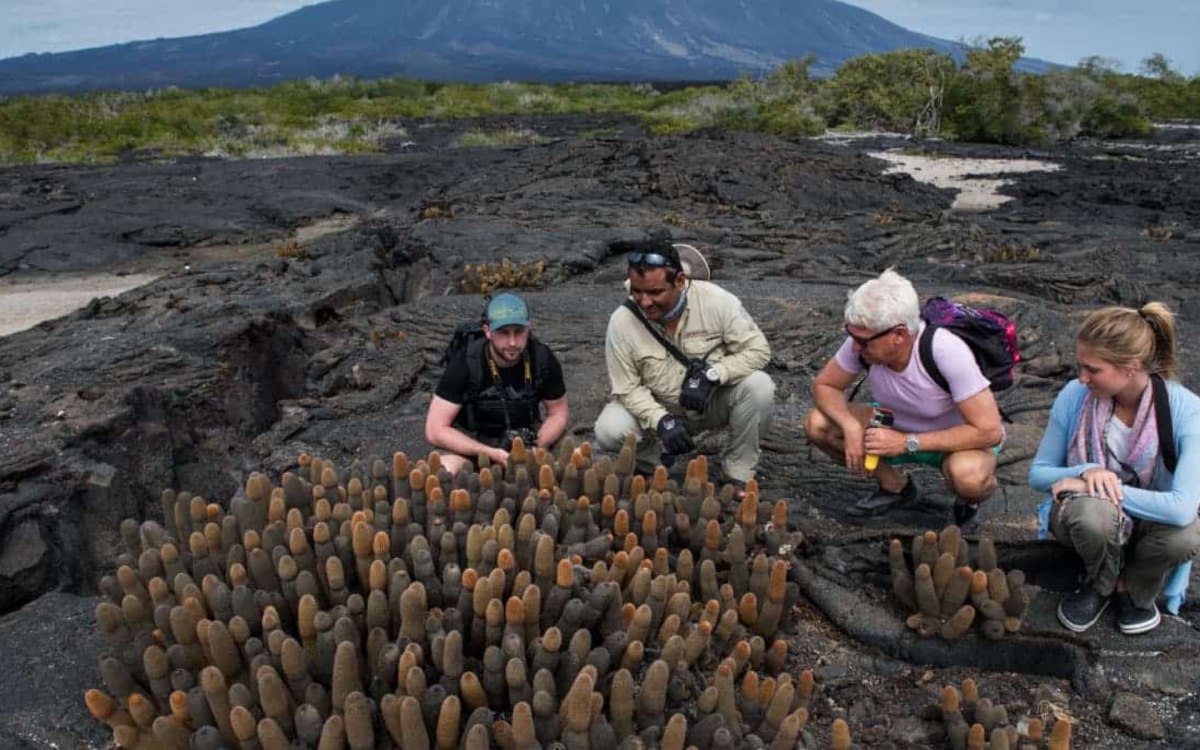
Guide-to-guest ratios, naturalist credentials, and how expedition teams are structured matter more than most travelers think to ask about. In Antarctica, especially, where conditions shift fast, and landing decisions are made in real time, an experienced expedition leader is making operational calls that directly affect what the trip delivers. Travelers rarely see that happening. They notice the result.
There's also a quieter difference between operators worth understanding. Some build itineraries around exploration, multiple excursions daily, early mornings, variable conditions accepted as part of the deal. Others build around comfort, with expedition elements as an accent rather than a core. Neither is wrong. But they're not the same product, and the distinction isn't always obvious until departure day.
Why Cheap Expedition Deals Often Cost More Later
Lower prices in expedition travel usually indicate something specific: larger passenger counts, fewer excursions, guides stretched across too many guests, routes designed around what's operationally convenient rather than what's actually worth seeing. That's not a universal rule, but it's consistent enough that price-led comparisons rarely tell the full story.
In the Amazon, the difference between vessels becomes clear quickly. Two expedition cruises can appear at similar price points and deliver completely different experiences on the water, different levels of access to remote tributaries, different guide depth, and different willingness to adjust the day's plan when something worth seeing appears around a bend. The headline number doesn't capture any of that.
Marco Sancho, CEO of Voyagers Travel, makes the point directly: the decisions that determine whether an expedition works happen before departure, not during it. Route design, vessel licensing, who's leading the expedition — these aren't secondary details. They shape everything that follows. A specialist advisor's job is to make those distinctions legible before the commitment is made, not after.
What Experienced Expedition Travelers Learn Quickly
After one or two expeditions, travelers stop asking about cabin categories first. They start asking: Which specific islands are included? What's the guide-to-guest ratio? How many Zodiac excursions per day? Is the vessel ice-strengthened, and to what class? What's the maximum group size for landings?
These questions sound procedural. They determine the experience.
Remote travel is not getting easier to plan well. Expectations have become more specific, availability in certain destinations has tightened, and the gap between a well-matched expedition and a generic one is wider than it was a decade ago. There is no universally right ship. Some travelers need stability and space; others want small groups, long landings, and less predictable days. The error is assuming those products are close enough to be interchangeable.
Wildlife doesn't follow an itinerary; weather closes sites, sea ice moves. The variables that make expedition travel compelling are also the ones no operator can guarantee. What travelers can control is the foundation: the right vessel, the right route, the right team. Getting those right before departure is the only part of the equation that's actually within reach.
FAQs
Why are expedition cruises more complicated than regular cruises?
Expedition cruises involve operational factors that significantly affect the experience, including landing permits, vessel size restrictions, guide expertise, itinerary routing, and environmental conditions. Two trips to the same destination can feel completely different depending on these details.
Why do Galapagos itineraries vary so much between vessels?
Not all vessels have access to the same islands or visitor sites. Route permits determine which wildlife areas ships can visit, and some important islands, such as Española or Genovesa only appear on certain itineraries.
What should travelers look for when booking an Antarctica expedition?
Vessel size relative to the 500-passenger landing threshold, ice class, expedition staffing, and landing frequency. Whether the trip includes shore excursions or cruise-only viewing is the most consequential question to ask upfront.
Are smaller expedition ships always better?
Not necessarily. Smaller ships often provide more active exploration and landing access, but they can also feel rougher in heavy seas. Larger vessels may offer more stability and onboard comfort while limiting certain expedition activities.
Why is expert guidance important when choosing an expedition cruise?
Specialist advisors help travelers understand operational differences that are rarely obvious during booking. They can compare routes, vessels, expedition teams, and wildlife access to ensure expectations align with the actual experience.
Marco Sancho
Travel Blogger
Credentials
- ✓Voyagers Travel Contributor