
Explore Brazil's Wild Places: Pantanal to Iguazu Falls | Travel Blog
Table of contents
- Pantanal Wildlife Safaris and Seasonal Planning
- Trancoso Logistics, Seasonality, and Local Rules
- Amazon Expeditions That Complement Brazil’s Wild Destinations
- Signature Activities in Brazil's Remote Regions
- Who Benefits Most from Brazil's Wild Places
- Key Rules and Essential Gear for Remote Travel
- FAQ (The Stuff You'll Google at 1 AM) in Brazil
- What wildlife can be observed in the Pantanal?
- What are the environmental regulations for visiting Fernando de Noronha?
- What activities are available in Trancoso?
- How does the helicopter tour over Iguazu Falls compare to other perspectives?
- Who would enjoy visiting the secluded beaches of Trancoso? - Next Steps for Planning Remote Brazil Travel
Brazil works if you stop expecting it to work like Europe. Four places worth the trouble: Pantanal, Fernando de Noronha, Trancoso, Iguazu Falls. Each one has rules. Real rules, not suggestions. Environmental caps, permit systems, lodges that fill six months out. If you show up thinking you'll figure it out when you land, you won't.
This isn't for people who want a resort week. It's for people who can handle mud, early mornings, and the reality that some things close when it rains too much. Adventure types do well here. So do people chasing exclusivity, as long as they understand exclusivity in Brazil sometimes means no cell service and cash-only restaurants.
Key Takeaways - Essential Planning Points
-
Pantanal wildlife viewing depends entirely on water levels and booking guides who actually know where the jaguars are.
-
Fernando de Noronha caps visitors hard. Apply for permits early or you're not going.
-
Trancoso has nice beaches and expensive hotels that book out fast.
-
Booking late leaves you with nothing, especially Noronha and Trancoso during high season.
-
Iguazu Falls from the ground is one thing. From a helicopter it's something else entirely.
Pantanal Wildlife Safaris and Seasonal Planning
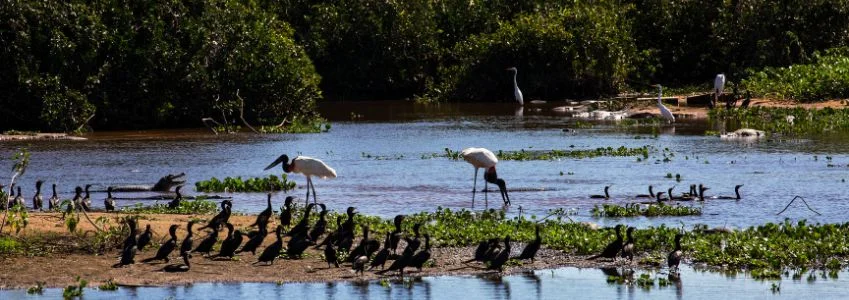
Dawn in the Pantanal. Mist over the water. Capybaras by the lagoon edge. Jaguars somewhere in the green but you need a guide who's been doing this for years to find them. The Pantanal is wetland, rivers, savanna, all of it shifting depending on the season. It's jaguar territory. Best place in South America to see them without a zoo between you.
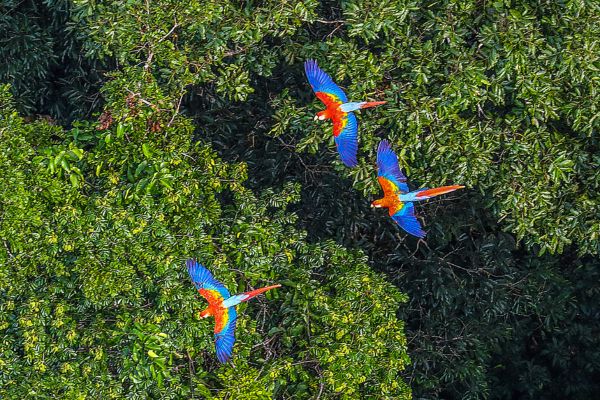
River safaris put you close to caimans. Canoe trips, if you're quiet, get you near giant otters. Macaws overhead. Howler monkeys making noise you'll hear before you see them. The guide matters more here than anywhere else I send people. A bad guide means you see capybaras and go home. A good one finds the cat.
You move slow in the Pantanal. The wetland sets the pace. That's the point.
 The best of Ecuador | Voyagers Travel
Embark on a 16-day adventure through Ecuador, exploring the vibrant city of Quito, lush rainforests, diverse Amazon wildlife, and the breathtaking Galápagos Isl
Request Discover Chile & Argentina | 13 Days | Voyagers Travel
Embark on a 13-day journey through Chile and Argentina, exploring breathtaking Patagonia, vibrant cities, and indulging in local cuisine and rich history!
Request The Jewels of Peru Tour | Best tour with Machu Picchu
Explore Peru's stunning landscapes and rich history on a 10-day tour, visiting Lima, Nazca, Sacred Valley, and the breathtaking Machu Picchu.
Request
Trancoso Logistics, Seasonality, and Local Rules
Trancoso is the Quadrado. Grassy square, whitewashed houses, old church, lanterns at night. Restaurants stay open late, music drifts out from small bars. The beach is there but it's not why most people go. It's the feeling of the place after dark when it empties out and the breeze comes off the water.
Boutique hotels, yes. High-end restaurants, yes. But it still feels like what it was before all that arrived. Especially at night.
Weather closes roads. Heavy rain, tropical rain, the kind that doesn't stop. Some beach places don't open off-season. Environmental rules keep new construction limited, which is good for the forest, bad for availability. If you want a specific hotel or location, book it now, not later.
.jpg?alt=media&token=bdde9a1c-ed72-4345-9dce-b939c727d2cb)
Amazon Expeditions That Complement Brazil’s Wild Destinations
For travelers already planning remote Brazil experiences like the Pantanal or Iguazu, the Amazon offers another layer of wilderness that’s difficult to access without the right logistics. River expeditions from Manaus provide a practical way to explore deep rainforest regions while combining wildlife observation, cultural encounters, and guided exploration.
Short and extended Amazon itineraries allow travelers to move through tributaries of the Amazon River, where pink dolphins, macaws, and river communities shape the daily rhythm of the rainforest.
Travelers can explore several curated options:
-
The Grand Amazon: Rio Negro 5 Days itinerary focuses on wildlife encounters, river safaris, and visits to remote rainforest ecosystems along one of the Amazon’s most biodiverse waterways.
-
The Grand Amazon: Rio Solimões 4 Days journey offers cultural encounters with Caboclo communities, sunrise wildlife excursions, and navigation through one of the main branches of the Amazon River.
-
For travelers wanting a deeper rainforest immersion, the Grand Amazon: A Complete Amazon Adventure 8 Days combines the Rio Negro and Rio Solimões routes into a full expedition exploring wildlife, indigenous culture, and the famous Meeting of the Waters.
These Amazon itineraries work particularly well when combined with other Brazilian highlights such as the Pantanal, Iguazu Falls, or coastal destinations like Trancoso.
Signature Activities in Brazil's Remote Regions
Pantanal is active. Early river safaris. Canoe trips that might put you near hunting otters or a macaw nest. Private guides who customize based on what you actually want to see, not what the brochure says.
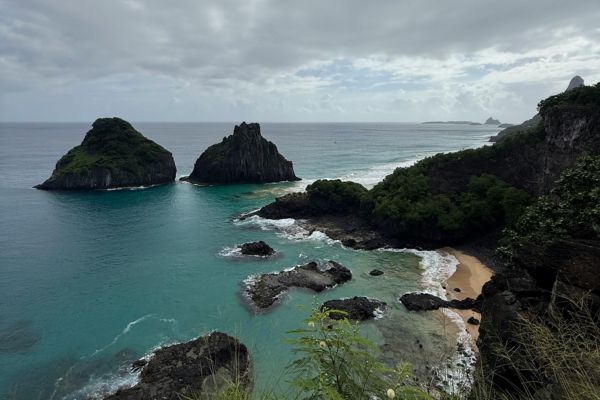
Fernando de Noronha limits how many people can be there at once. The water clarity is real. Diving shows you volcanic formations underwater, sea turtles. Whale watching is seasonal, so check before you go. The Mirador de los Golfinhos trail isn't long but it ends at a cliff seventy meters up with dolphins below if you time it right.
Trancoso moves slower. Walk the beach. Ride horses. Tidal pools at Praia do Espelho. Atlantic forest hikes or bikes if you want wildlife. At night the Quadrado has the restaurants and music, small workshops selling things you don't need but might buy anyway.
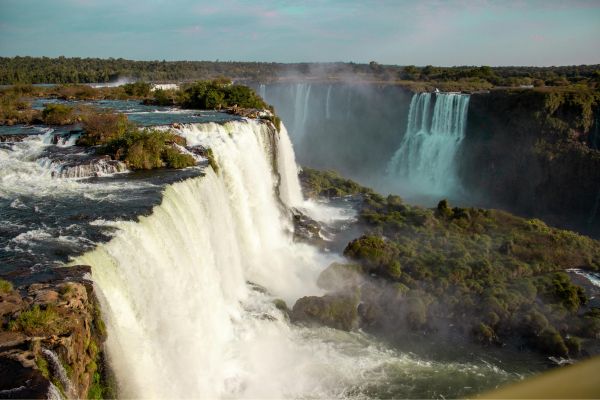
Iguazu Falls from the trails puts you in the spray and noise. From a helicopter you see all two hundred waterfalls at once, the full system, which you can't get from the ground. Forest paths have toucans and coatis. Photographers deal with shifting light and constant water in the air.
Who Benefits Most from Brazil's Wild Places
Brazil's remote places work for people who plan ahead and don't mind early mornings. Pantanal and Noronha both offer comfort if you want it, boutique lodges, expert guides. Wildlife people do well. Rare species people. Secluded luxury people, especially Trancoso and Noronha.
If you need fast access or expect things to run on time, these places will frustrate you. Trancoso service is unhurried. Pantanal requires flights and rough transfers. Noronha's visitor rules make spontaneous trips impossible. You trade convenience for the real thing.
Key Rules and Essential Gear for Remote Travel
Environmental rules are strict. Fernando de Noronha caps visitors, requires advance permits, charges environmental fees. Parts of the Pantanal are private reserves with their own entry requirements. Always verify with your lodge or guide before assuming access.
Plastics banned in most of Noronha. Ethical wildlife viewing mandatory. Trancoso's development restrictions keep the forest but shrink hotel options during busy seasons.
Gear: lightweight long sleeves and insect repellent in the Pantanal. Waterproof bags for cameras at Iguazu. Diving certification card for Noronha because rental gear is limited. Check visitor caps before booking, especially holidays. Bring cash. Card payment fails in remote areas during wet season.

FAQ
What wildlife can be observed in the Pantanal?
Jaguars, capybaras, caimans, giant otters, howler monkeys, hyacinth macaws. River safaris and good guides increase your chances significantly. It's one of the best places in the world for wildlife observation if you time it right.
What are the environmental regulations for visiting Fernando de Noronha?
Visitor caps to protect the ecosystem. Pre-arranged permits required. Environmental fees on arrival. No single-use plastics. Some areas only accessible with authorized guides. The regulations are real and enforced.
What activities are available in Trancoso?
Atlantic forest hiking and biking. Horseback riding on the beach. Boutiques and restaurants around the Quadrado. Day trips to Praia do Espelho. Creative nightlife, live music. Guided forest excursions for local wildlife and flora.
How does the helicopter tour over Iguazu Falls compare to other perspectives?
Helicopter shows you the entire waterfall complex at once. Two hundred plus waterfalls. You can't get that perspective from the ground. Forest trails are immersive but limited in scope. Both are worth doing.
Who would enjoy visiting the secluded beaches of Trancoso?
People who value seclusion and slower pace. Uncrowded beaches. Creative local atmosphere. Adventure seekers who also appreciate artisan shops and quiet evenings. Luxury travelers avoiding crowded resorts.
Next Steps for Planning Remote Brazil Travel
Start with visitor caps and environmental regulations for Noronha and Pantanal. Secure local guides early. Naturalists with real regional expertise book out. Decide if you want pure nature or a mix with culture by adding Trancoso or Iguazu from both land and air. Clarify logistics in advance. Transfers, permits, equipment rentals.
If you want a tailored experience of Brazil's most exclusive wild destinations, we can build trip packages that integrate river safaris, diving, and village stays.

Andre Robles
South America Travel Specialist
Credentials
- ✓Travel Writer
- ✓Voyagers Travel Contributor