
Galapagos Islands in Luxury: Wildlife, Small Ships and the Reality of Exploring Ecuador’s Remote Archipelago | Travel Blog
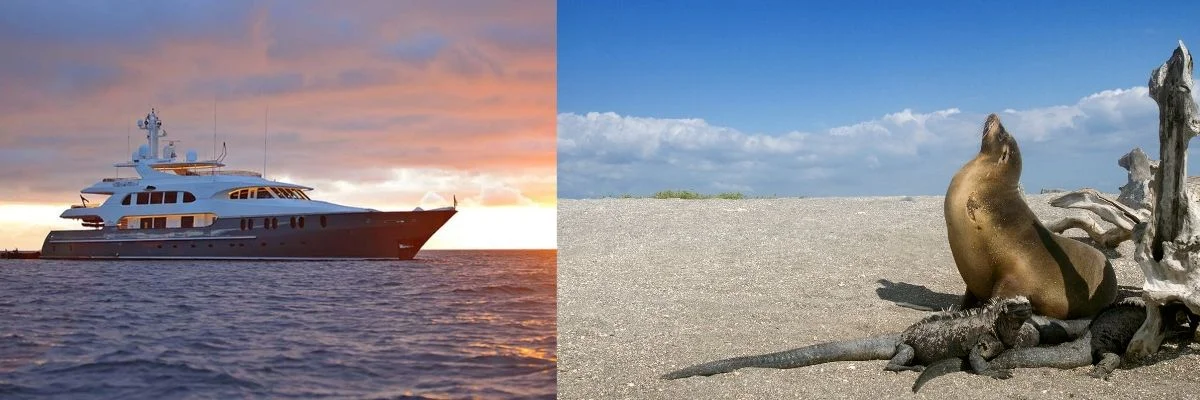
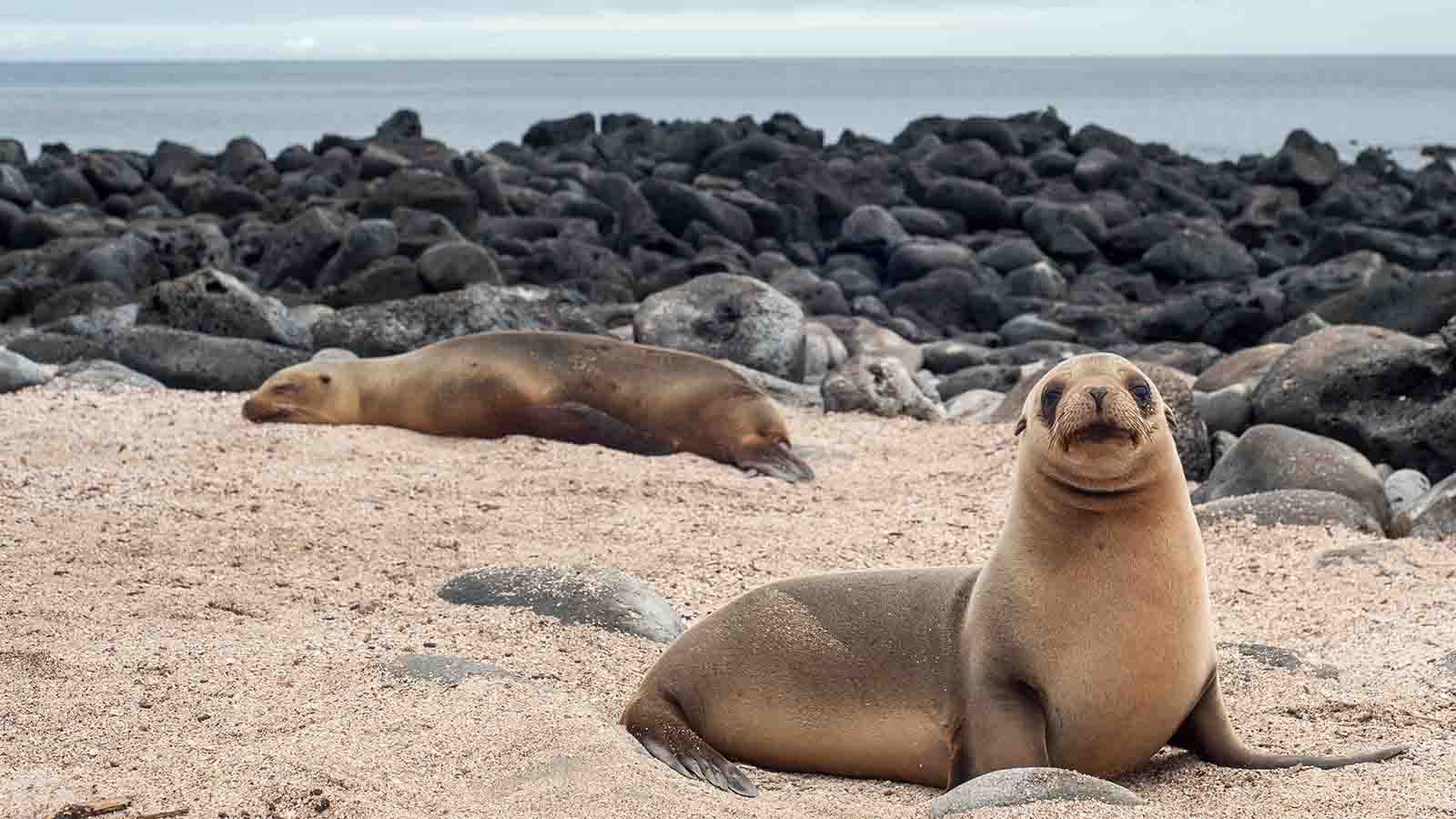
A sea lion sprawls across a stretch of volcanic shoreline, apparently unconcerned by the visitors keeping their distance. Offshore, the water carries the muffled sounds of swimmers breathing through snorkels, while marine iguanas rest on rocks warmed by the equatorial sun. The Galapagos Islands operate according to rhythms that have little interest in human schedules. Wildlife encounters can be unusually close, but they are never performances arranged for tourists. That distinction is central to understanding why this isolated Ecuadorian archipelago remains one of the most compelling places to experience nature, particularly aboard a small expedition vessel.
Luxury travel in the Galapagos is different from luxury travel in conventional resort destinations. There are no sprawling beachfront hotel complexes inside the protected wilderness, and visitors cannot simply wander wherever they please. Instead, comfort is measured by the quality of naturalist guides, the efficiency of transfers, the reliability of expedition equipment and the possibility of returning from a demanding excursion to a quiet cabin and a properly prepared meal. Saltwater, damp clothing and the occasional uncomfortable landing remain part of the experience. The best operators do not eliminate the realities of expedition travel; they make those realities easier to manage without interfering with the islands themselves.
Why the Galapagos Islands Are Unlike Other Wildlife Destinations
Located approximately 600 miles west of mainland Ecuador, the Galapagos archipelago contains 13 larger islands and 16 smaller ones, although only a fraction of their territory is accessible to visitors. Around 97 percent of the land area is protected within Galapagos National Park, where tourism follows designated routes and carefully controlled schedules. The islands are internationally associated with Charles Darwin, whose observations during the voyage of HMS Beagle contributed to his later work on evolution and natural selection. Yet their scientific importance extends far beyond that historical connection, encompassing endemic reptiles, seabirds, marine mammals and complex relationships between ocean currents and terrestrial habitats. Along the shoreline, the smell of salt, wet stone and occasionally animal colonies provides a less polished introduction to conservation than any visitor-center exhibition.
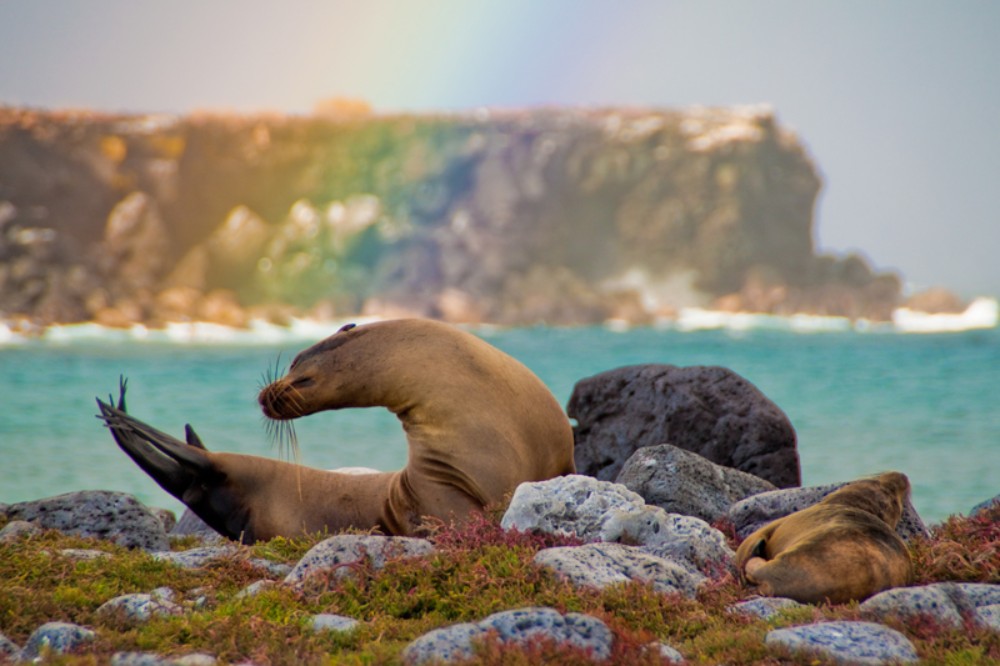
The wildlife is the principal attraction, and much of its appeal comes from behavior rather than rarity alone. Galapagos giant tortoises move slowly through their habitats, blue-footed boobies gather along exposed coastal areas, and marine iguanas feed underwater before returning to shore to regulate their body temperature. Snorkelers may encounter sea turtles, reef fish, rays and sea lions, although visibility, currents and animal movements influence every outing. A sea lion may approach a swimmer out of curiosity and disappear moments later, leaving only the sound of water against a mask. The islands offer extraordinary opportunities for observation, but no responsible expedition should promise that a particular animal will appear on demand.
Conservation Rules That Shape Every Visit
The Galapagos tourism system is built around restrictions that affect the entire journey, beginning before travelers reach the islands. Flights generally connect through Quito or Guayaquil, and passengers must complete the required visitor documentation and undergo biosecurity checks intended to reduce the introduction of organisms that could damage local ecosystems. Luggage inspections, agricultural restrictions and arrival procedures require attention, particularly for travelers carrying outdoor equipment. Within protected visitor sites, licensed Ecuadorian naturalist guides accompany groups, with a maximum of 16 visitors per guide. These controls may feel bureaucratic after a long flight, but they are fundamental to managing human pressure on habitats that have already experienced significant ecological disruption.

Cruise operators must follow authorized itineraries, including specified landing sites, snorkeling locations and visiting periods. Large conventional cruise ships are excluded, while expedition vessels operate under passenger-capacity limits and regulated access arrangements. This scheduling system helps prevent several groups from descending simultaneously on the same sensitive shoreline, although it also means that spontaneous changes are not always possible. A delayed departure, rough water or a missed wildlife sighting cannot automatically be compensated for by visiting another protected site. The quieter beaches and relatively uncrowded excursions are partly the result of precisely these limitations, making regulatory discipline an essential component of the Galapagos experience rather than an inconvenience separate from it.
Choosing Between Island Hotels and Expedition Cruises
Travelers can explore portions of the Galapagos from hotels on inhabited islands, using day excursions and inter-island transport to reach accessible visitor sites. This approach can suit those who prefer sleeping ashore, want flexibility in their daily routines or cannot justify the expense of a premium expedition cruise. However, the distances between islands make transport an important consideration, and repeated boat journeys can become tiring when the sea is unsettled. A liveaboard expedition vessel offers a different arrangement: accommodation travels between permitted locations, reducing the need to return to the same land base after each outing. Neither format removes the possibility of seasickness, wet transfers or early starts, but a well-organized cruise can provide access to a broader selection of remote sites within a limited holiday.
Aqua Mare and the Appeal of Small-Ship Luxury
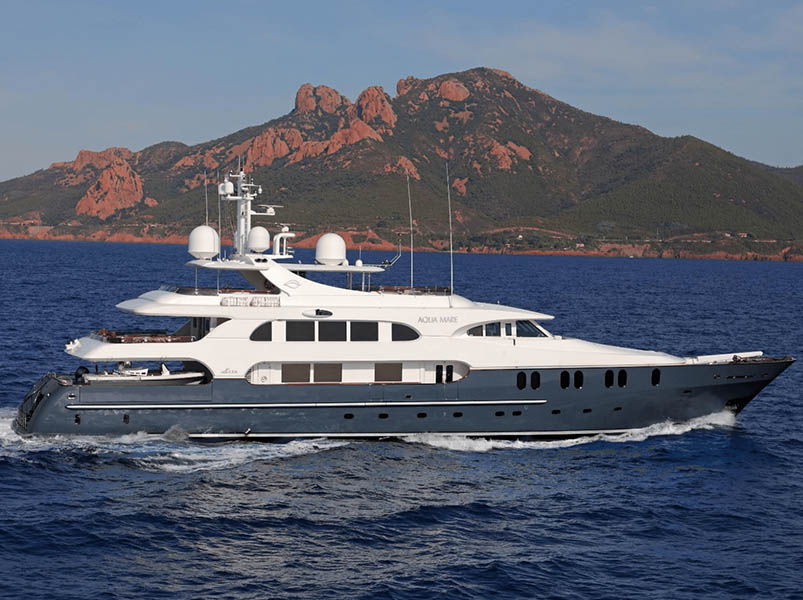
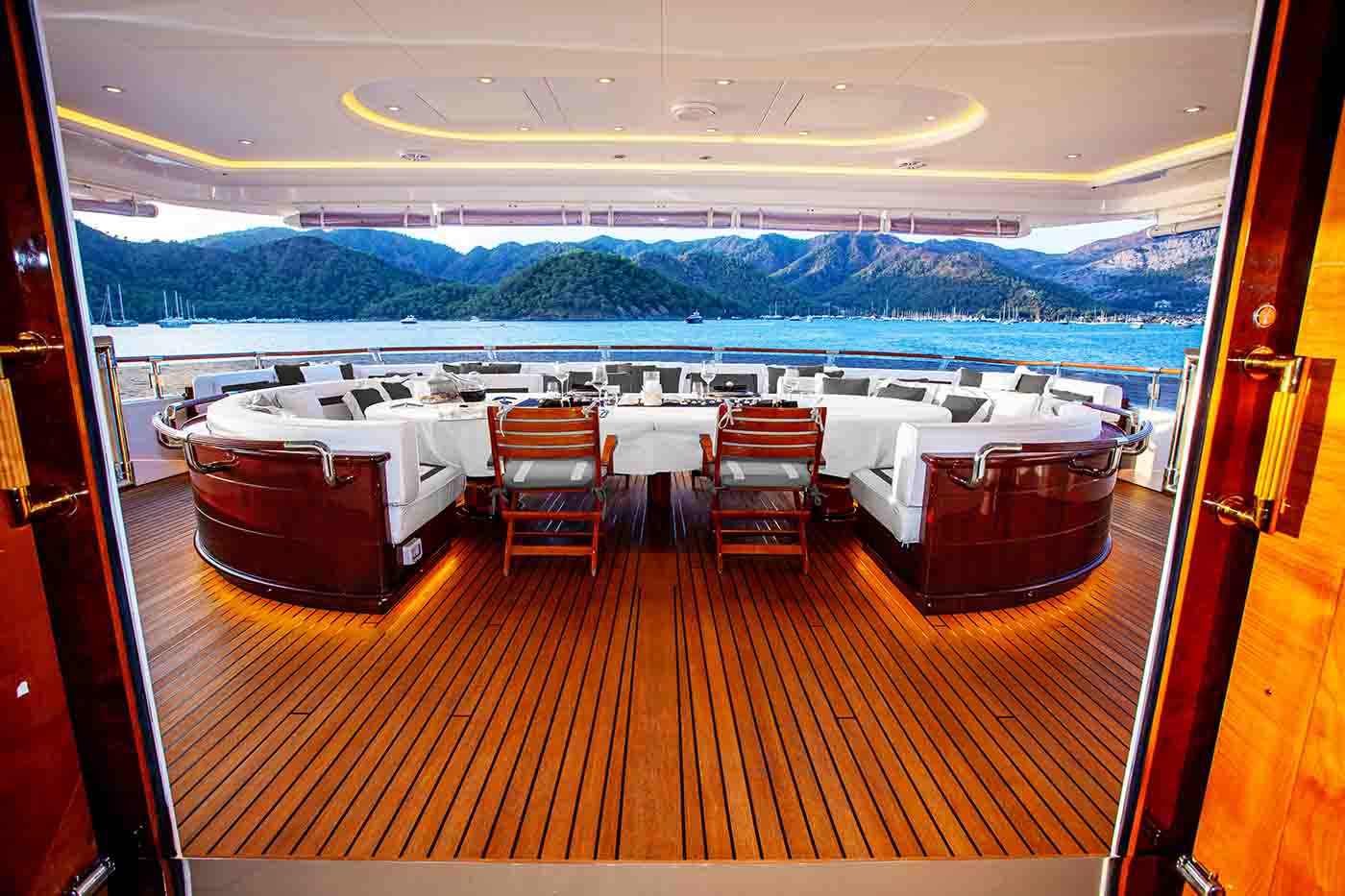
Among the premium expedition options, Aqua Expeditions operates Aqua Mare, a 50-meter Italian-built superyacht designed to accommodate no more than 16 passengers in seven guest cabins. Its four-level layout creates considerably more space per traveler than many conventional small expedition boats, while a crew-to-guest ratio exceeding one-to-one supports highly personalized service. Cabins offer substantial storage, comfortable beds and private bathrooms, practical advantages when the daily routine involves repeatedly changing between swimwear, expedition clothing and dry evening attire. The ship also provides outdoor lounging areas, a rooftop hot tub, a library, exercise equipment and onboard connectivity. These amenities matter most after several hours exposed to sun, wind and saltwater, when a warm shower and a quiet place to sit can feel more valuable than elaborate decoration.
The Importance of Naturalist Guides
Aqua Mare distinguishes itself by carrying two naturalist guides for its small passenger complement, allowing different guided activities to operate simultaneously when conditions and permissions allow. One group might prefer a shoreline walk while another chooses kayaking, avoiding the compromise that can arise when an entire vessel depends on a single guide. The operator emphasizes experienced naturalists with advanced training, although travelers should examine current qualifications and guiding arrangements rather than relying exclusively on marketing classifications. Knowledgeable interpretation transforms a simple animal sighting into an explanation of feeding behavior, adaptation, habitat pressures or species recovery. The guide's calm instructions are equally important when waves complicate a landing or an enthusiastic visitor approaches wildlife too closely.
A Day Among Sea Lions, Tortoises and Marine Life
The island of Floreana illustrates how carefully managed access can change the character of an expedition day. During the journey described in the source account, Aqua Mare held the day's visiting permit, allowing its passengers to explore without encountering other tourist vessels at the authorized locations. Activities combined time ashore with snorkeling and sea kayaking, creating opportunities to observe sea turtles and sea lions in different environments. Such solitude is not guaranteed on every itinerary, but the allocation of visitor sites can produce an unusual sense of separation from other travelers. Underwater, the sound of breathing becomes prominent, and even a short swim can feel physically demanding when currents, water temperature or repeated entries begin to take their toll.
Small Boats, Shore Landings and Unexpected Encounters
Expedition tenders are easy to overlook when comparing vessels, yet passengers may use them several times each day to reach beaches, snorkeling sites and wildlife observation areas. Aqua Mare employs powerful rigid inflatable boats with center-console controls, equipment that can improve maneuverability and passenger comfort compared with more basic transfer craft. Their usefulness became particularly apparent during a reported encounter with a pod of orcas, when the expedition team was able to travel farther from the main vessel to observe the animals. Such encounters depend entirely on wildlife movements, sea conditions and applicable approach rules, so they should be treated as fortunate possibilities rather than scheduled attractions. Even with capable boats, passengers should expect engine noise, spray, shifting footing and the occasional awkward step between vessel and tender.
Dining and Daily Comfort at Sea
Food aboard Aqua Mare reflects its positioning as a premium expedition vessel, with a Peruvian-Ecuadorian culinary team preparing contemporary interpretations of regional dishes, including ceviche. The kitchen also accommodates dietary preferences and restrictions gathered before departure, an important service when alternative restaurants are unavailable for days at a time. Meals are accompanied by included house wines, while other bar selections are available separately, and culinary demonstrations provide another activity between excursions. Complimentary laundry, supplied snorkeling equipment, wetsuits and reusable drinking bottles reduce the amount of personal gear passengers need to pack. After a day of salt on the skin and damp equipment hanging nearby, these practical services help restore a sense of order to a schedule dominated by outdoor activity.
Planning the Journey: Transfers, Itineraries and Diving
Aqua Expeditions organizes airport assistance beginning in Quito or Guayaquil, followed by coordinated arrival arrangements in the Galapagos, where the reported service included access to a VIP lounge at Baltra Airport. The vessel operates alternating seven-day eastern and western itineraries that can be combined into a longer 14-day exploration, subject to the operator's current sailing schedule. Certified scuba divers may arrange additional excursions through a local diving provider, while other passengers participate in the standard program of snorkeling, guided walks and kayaking. The difference matters because diving requires appropriate certification, additional coordination and a willingness to accept conditions that may be more demanding than surface snorkeling. Travelers should confirm transfer inclusions, activity requirements, seasonal conditions and current park regulations before booking, rather than assuming that every itinerary provides identical experiences.
Is a Luxury Galapagos Cruise Worth the Expense?
The strongest argument for spending more in the Galapagos is not the size of the bathroom or the quality of the wine, although both can improve life aboard. It is the combination of experienced guides, small groups, dependable expedition boats, flexible activity choices and staff capable of managing complicated logistics with minimal disruption. Aqua Mare brings these elements together in a format aimed at travelers who value comfort without sacrificing substantial time outdoors. Still, expensive accommodation cannot control weather, guarantee a hammerhead shark sighting or prevent fatigue after successive days in the water. The lasting appeal of the Galapagos lies in accepting that nature sets the terms, while choosing an expedition team that makes those terms manageable, informative and genuinely rewarding.
Frequently Asked Questions
What is the best way to explore the Galapagos Islands in luxury?
A small expedition yacht provides comfortable accommodation while allowing access to authorized visitor sites across several islands. Aqua Mare, operated by Aqua Expeditions, accommodates up to 16 guests and offers guided wildlife activities, snorkeling, kayaking and premium onboard services.
How many days should travelers spend on a Galapagos cruise?
Seven-day itineraries offer an introduction to a particular part of the archipelago. Travelers seeking broader geographical coverage can consider combining eastern and western routes into a 14-day journey, depending on available schedules.
What wildlife can visitors see in the Galapagos?
Potential encounters include giant tortoises, marine iguanas, blue-footed boobies, sea lions, sea turtles, rays, reef fish and several shark species. Dolphins, whales, penguins and orcas may also appear, although sightings vary by location, season and conditions.
Why are naturalist guides important in the Galapagos?
Licensed naturalist guides are required at protected park visitor sites. They explain wildlife behavior and ecological relationships, supervise visitor conduct and help ensure that excursions comply with conservation rules. Having two guides aboard a small vessel can also provide greater activity flexibility.
Can visitors scuba dive during an Aqua Mare expedition?
Certified divers may be able to arrange excursions through a local diving operator working with Aqua Mare. These activities require advance coordination and depend on itinerary, availability and sea conditions. Diving arrangements and any additional costs should be confirmed before departure.

Andre Robles
South America Travel Specialist
Credentials
- ✓Travel Writer
- ✓Voyagers Travel Contributor